🧠 7 Cognitive Restructuring Exercises for Trauma Recovery

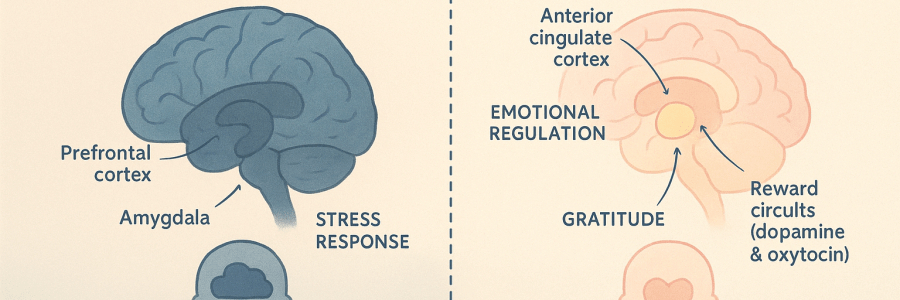
1. “Name the Narrative” Exercise Goal: Build awareness of automatic thoughts and their roots.Why: Many thoughts we have are internalized voices from abusers, not our own truth. How: 🧠 Neuroscience note: Labeling thoughts helps engage the prefrontal cortex and reduce amygdala activity, which lowers emotional reactivity. 2. Fact vs. Story Mapping Goal: Distinguish between evidence-based thinking and trauma-driven assumptions.Why: After abuse, the brain… Read More 🧠 7 Cognitive Restructuring Exercises for Trauma Recovery

The Neuroscience of Cognitive Restructuring

🧠 Rewiring the Mind After Trauma: The Neuroscience of Cognitive RestructuringWhy Survivors Often Doubt Themselves — and How the Brain Can Learn to Trust Again After enduring emotional abuse, gaslighting, and long-term manipulation, survivors are often left with a fractured sense of self and a brain conditioned to mistrust its own signals. Even after breaking… Read More The Neuroscience of Cognitive Restructuring

The Power of Daily Communication: Why Talking Every Day Strengthens Your Relationship — Especially After Trauma

In a world of busy schedules, travel, and digital distractions, it’s easy to let days go by without truly checking in with the person we love. But for those building — or rebuilding — intimacy after trauma, daily communication isn’t optional. It’s essential. Not just for staying connected when you’re apart…But for building emotional safety, deep trust,… Read More The Power of Daily Communication: Why Talking Every Day Strengthens Your Relationship — Especially After Trauma

No More Games: Choosing Truth in a World Full of Manipulation

There comes a point — after enough lies, enough false promises, enough gut-twisting confusion — where you reach your limit. You’re done.Done with mixed messages.Done with gaslighting.Done with being someone’s emotional puppet while they play innocent or charming to the outside world. And if you’ve been raised in a world that values honesty, integrity, and directness — this kind of emotional… Read More No More Games: Choosing Truth in a World Full of Manipulation

Summer Magic in Spain — And the Joy of Sharing It With Someone Who Truly Sees You

There’s something utterly magical about Spain in the summer. The air is electric with joy.The nights are long, balmy, and golden.Laughter echoes through plazas lit with fairy lights.Music spills from every corner — guitars, flamenco, brass bands, or beachside DJs.And everywhere you turn, there’s a reason to celebrate: fiestas, fireworks, food, and freedom. For those who have made… Read More Summer Magic in Spain — And the Joy of Sharing It With Someone Who Truly Sees You

When Your Gut Speaks: The Neuroscience of Intuition, Trauma, and Warning Signals

When someone has lived through trauma, their brain and body become finely attuned to cues of danger or dishonesty — not because they’re paranoid, but because their survival once depended on it. You know the feeling.Something’s off.The words don’t match the tone.Their smile doesn’t reach their eyes.You can’t explain it, but your body knows. If you’ve ever felt… Read More When Your Gut Speaks: The Neuroscience of Intuition, Trauma, and Warning Signals

✅ 10 Signs You May Be Dealing with a Pathological Liar (and Why It Matters — Even in Court)

We all stretch the truth now and then — to be kind, avoid conflict, or protect someone’s feelings. But a pathological liar takes lying to a chronic, harmful level. It’s not just occasional dishonesty. It’s a deep pattern of compulsive, manipulative deceit, and it can destroy trust, relationships, reputations — and even legal cases. Here are 10 key signs you… Read More ✅ 10 Signs You May Be Dealing with a Pathological Liar (and Why It Matters — Even in Court)

Pathological Lying: What It Is, Why It Happens, and How It Affects Others

A Look Through the Lens of Neuroscience and Psychology We’ve all told a white lie or bent the truth on occasion — to spare someone’s feelings or avoid conflict. But pathological lying is something very different. It’s not just occasional dishonesty — it’s a compulsive, often uncontrollable habit of lying, even when there’s no clear reason to do… Read More Pathological Lying: What It Is, Why It Happens, and How It Affects Others

🧠🔑 When One Neural Pathway Closes… Another Opens (Usually with Less Drama)

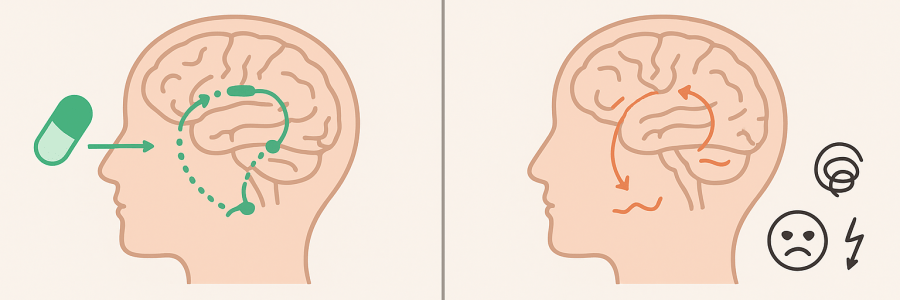
They say “the only constant in life is change” — and neuroscience agrees.Your brain is constantly rewiring itself, adapting, letting go, and learning new things — whether you like it or not. But let’s be honest:Most of us like things to stay familiar. Predictable.You know… like the same cereal for breakfast for the last 10… Read More 🧠🔑 When One Neural Pathway Closes… Another Opens (Usually with Less Drama)