Western Men Leaving Wives for Thai or Filipino Brides

What the real data shows (not the stories) Short Answer: There is NO reliable statistic that directly tracks “Western men leaving their wives specifically for Thai or Filipino brides.” However, multiple large demographic datasets allow us to understand how common this pattern actually is. 1. How Common Are These Marriages? 🇹🇭 Thai Women + Western Men Only a small minority… Read More Western Men Leaving Wives for Thai or Filipino Brides

Why Control-Based Personalities Escalate Sexual Threats

The Neuroscience & Psychology Behind This Behaviour When someone repeatedly escalates sexual threats — suggesting replacement, sexual outsourcing, or access to others — this is not about desire. It is about power regulation. Sex becomes a tool of control, not a form of connection. 1. Control-Based Nervous Systems Fear Vulnerability Healthy intimacy requires: For control-based personalities, vulnerability feels… Read More Why Control-Based Personalities Escalate Sexual Threats

“I’m Better on My Own”

Why People Tell You Early — and Why We Don’t Listen There is a sentence people sometimes offer early in connection: “I’m better on my own.”“I’m not good in relationships.”“I can’t really do commitment.”“I’m not built for emotional closeness.” These are not throwaway lines. They are micro-confessions. Psychology calls this pre-emptive disclosure.Neuroscience calls it threat discharge. It is… Read More “I’m Better on My Own”

The Psychology & Neuroscience of Love-Bombing

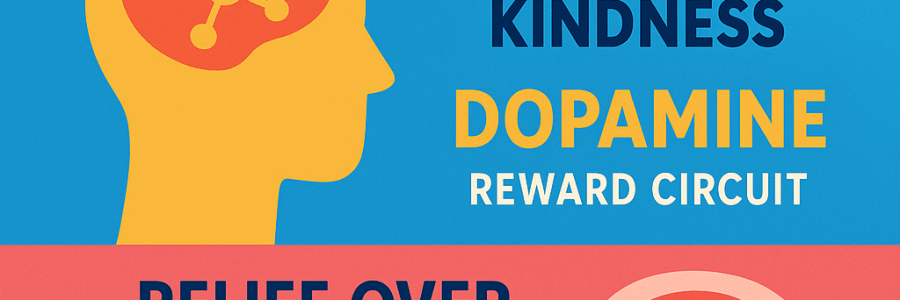
What it is, why it works, and what it often predicts Love-bombing is the rapid delivery of intense affection, attention, praise, promises, and emotional closeness early in a relationship. It feels intoxicating, validating, and deeply bonding. But neuroscience shows this isn’t accidental — it is neurochemical manipulation, whether conscious or unconscious. 1. Dopamine & Attachment Hijacking Love-bombing… Read More The Psychology & Neuroscience of Love-Bombing

Can You Stay Friends With Your Ex?

Why It’s Impossible With an Abuser A Trauma-Informed Psychological Perspective In healthy breakups, friendship can sometimes develop.In abusive relationships, friendship is not possible — and attempting it often causes ongoing harm. This is not bitterness.It is psychological reality. 1. Friendship Requires Safety — Abuse Destroys Safety True friendship requires: Abuse destroys all five. An abusive dynamic is… Read More Can You Stay Friends With Your Ex?

A Trauma-Informed Guide to Rebuilding Trust, Connection & Emotional Safety

Divorce changes a man’s nervous system. Even when the separation was necessary, the emotional impact can be profound. Loss, identity disruption, rejection, betrayal, failure, and grief all reshape how the brain approaches intimacy. From a neuroscience and psychological perspective, this shift is not weakness — it is adaptation. 1. What Divorce Does to the Male Nervous… Read More A Trauma-Informed Guide to Rebuilding Trust, Connection & Emotional Safety

A Trauma-Informed Guide to Dating Again After Loss, Divorce, or Long-Term Relationships

Dating in midlife is not the same as dating when you were younger. Your nervous system now carries: This means your body seeks safety before excitement — even if your mind wants connection. From a neuroscience and psychological perspective, this is not hesitation.It is emotional intelligence. 1. The Midlife Nervous System: Why Dating Feels Different Now After… Read More A Trauma-Informed Guide to Dating Again After Loss, Divorce, or Long-Term Relationships

A Trauma-Sensitive Explanation for Survivors

Discovering that a partner has been paying for sex can be profoundly destabilizing. It often triggers shock, grief, rage, confusion, humiliation, betrayal, and deep emotional pain — sometimes all at once. This reaction is not dramatic.It is a normal nervous-system response to relational trauma. Why This Hurts So Deeply This kind of discovery doesn’t just break trust.It fractures… Read More A Trauma-Sensitive Explanation for Survivors

Paying for Sex — Neuroscience & Psychology

Paying for sex is not primarily about sex.From a neuroscience and psychological perspective, it is most often about power, control, emotional safety, attachment wounds, and nervous-system regulation. 1. The Neuroscience: Control Over Connection Healthy sexual intimacy activates: But true intimacy requires emotional vulnerability, which activates deeper brain regions responsible for: For many people, this vulnerability feels unsafe. So… Read More Paying for Sex — Neuroscience & Psychology

Serial Daters Who Target Vulnerable Women With Property — A Neuroscience Perspective

There is a specific dating pattern that rarely gets named, yet many women eventually recognize it only after emotional, psychological, or financial harm has already occurred: Serial daters who actively seek out vulnerable women who have stability, property, or resources. This is not romance.It is strategic attachment. From a neuroscience perspective, this behavior is driven less… Read More Serial Daters Who Target Vulnerable Women With Property — A Neuroscience Perspective