Healthy Reciprocity: Building Safety and Reward in Relationships

Reciprocity is the backbone of trust, emotional safety, and attachment. It works because your brain and nervous system are wired to seek predictable, rewarding interactions. 1. The Neurochemistry of Reciprocity When someone consistently responds to your needs — emotionally, physically, or socially — your brain releases key neurochemicals: Neurochemical Role Effect on Relationships Oxytocin Bonding hormone Promotes… Read More Healthy Reciprocity: Building Safety and Reward in Relationships

Neurochemistry of Secure Couples

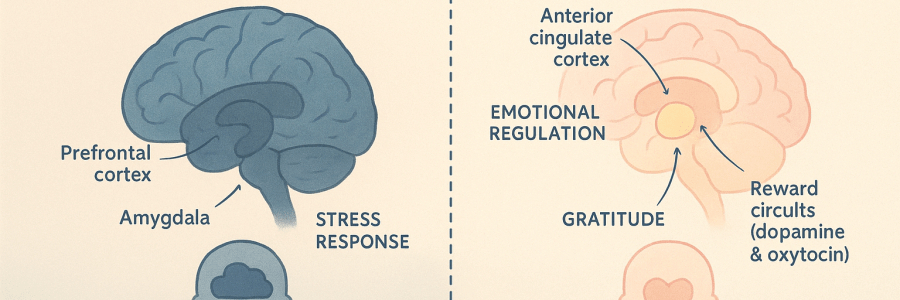
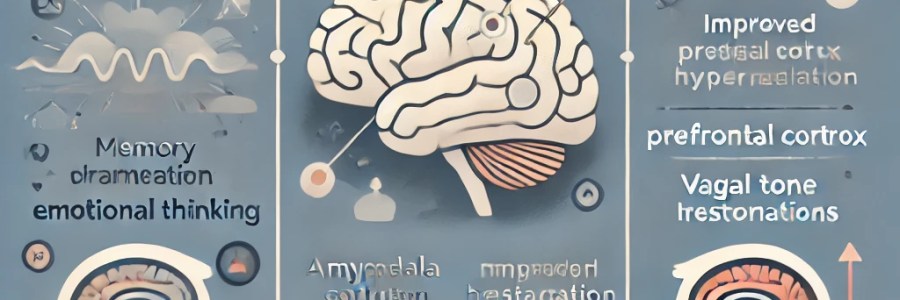
1. Key Brain Regions Region Role in Secure Attachment Activation Effects Amygdala Threat detection, fear response Downregulated → reduced anxiety, fear of abandonment Prefrontal Cortex Decision-making, emotional regulation Active → logical problem-solving, calm response to conflict Anterior Cingulate Cortex Social pain, empathy Regulated → enhances empathy, attunement Insula Interoception, emotional awareness Active → reads own… Read More Neurochemistry of Secure Couples

How Secure People Thrive with Secure Partners

Secure attachment is one of the strongest predictors of healthy, lasting relationships. When a securely attached person pairs with another secure partner, the result is synergy, growth, and fulfillment. 1. Mutual Trust and Safety Result: Confidence in the relationship and comfort in vulnerability. 2. Effective Communication Result: Less stress, more understanding, and deep emotional attunement. 3. Emotional Co-Regulation… Read More How Secure People Thrive with Secure Partners

How Secure People Get Trapped with Insecure or Abusive Partners

Most people assume that secure attachment protects someone from ending up in an unhealthy relationship. And in many cases, it does. But the truth is more complex: Secure people are sometimes MORE vulnerable to getting trapped —precisely because of their strengths. A securely attached person expects honesty, repair, and emotional reciprocity.When they meet someone who is… Read More How Secure People Get Trapped with Insecure or Abusive Partners

Secure Attachment: Benefits vs. Vulnerabilities

💚 The Benefits (These Are Very Strong) Secure attachment creates one of the most resilient emotional foundations a person can have. 1. Higher trust and healthy bonding Securely attached people: This makes relationships smoother, warmer, and more stable. 2. Better emotional regulation Their nervous system is less reactive.They can soothe themselves, communicate calmly, and repair… Read More Secure Attachment: Benefits vs. Vulnerabilities

Sexual Compatibility vs. Emotional Compatibility Matrix

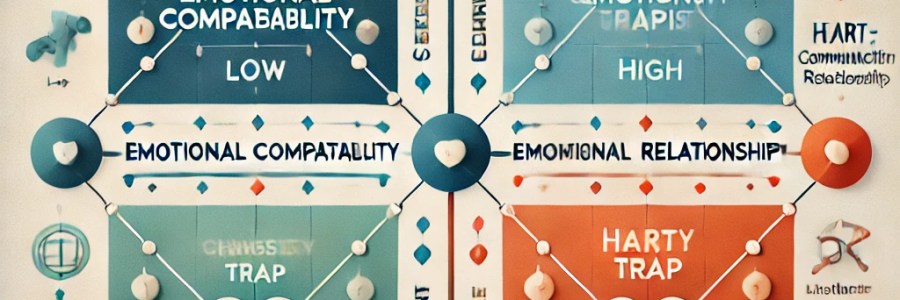
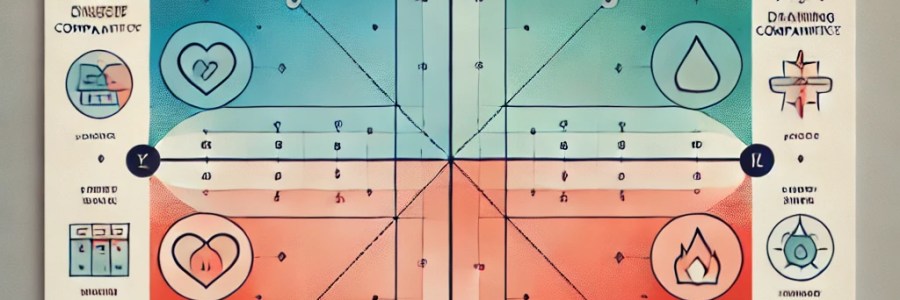
Axes 📊 The 4 Quadrants 🟥 Quadrant 1 — LOW Emotional / LOW Sexual Compatibility “The Draining Relationship” Characteristics Psychology Long-term outcome:❌ Not sustainable. This is where people feel trapped, invisible, or chronically unhappy. 🟧 Quadrant 2 — LOW Emotional / HIGH Sexual Compatibility “The Chemistry Trap” Characteristics Psychology Long-term outcome:⚠️ High drama, low stability.Great… Read More Sexual Compatibility vs. Emotional Compatibility Matrix

Mirror Neuron System & Empathy: Why Some People Don’t “Feel” What You Feel

What Are Mirror Neurons? Mirror neurons are brain cells that activate both when you perform an action and when you observe someone else doing it.They also activate when you see: This system helps your brain simulate what another person is experiencing. In simple terms:Mirror neurons are the foundation of natural, automatic empathy. When Mirror Neuron Activity Is Reduced People with reduced… Read More Mirror Neuron System & Empathy: Why Some People Don’t “Feel” What You Feel

NEUROSCIENCE OF “CONNECTION WITHOUT PROGRESSION”

1. The Dopamine–Oxytocin Trick: Emotional Bonding Without Action When someone checks in, calls, sends photos, or maintains friendly emotional contact, your brain releases: This creates a strong felt connection — even if nothing concrete happens. From their side, those same interactions give them enough emotional stimulation that their brain also feels: Result:Both people feel bonded…but neither brain… Read More NEUROSCIENCE OF “CONNECTION WITHOUT PROGRESSION”

Neuroscience Comparison Chart

Trusting Brain vs Manipulative Brain Neural Feature Trusting Brain Manipulative Brain (Dark-Triad Traits) Empathy Circuits (Anterior Insula, ACC) Highly active — can feel others’ emotions easily. Underactive — low resonance with others’ feelings; emotional detachment. Oxytocin Sensitivity Strong — bonding happens quickly; warmth feels natural. Low or strategically used — may mimic bonding to gain… Read More Neuroscience Comparison Chart