Paying for Sex — Neuroscience & Psychology

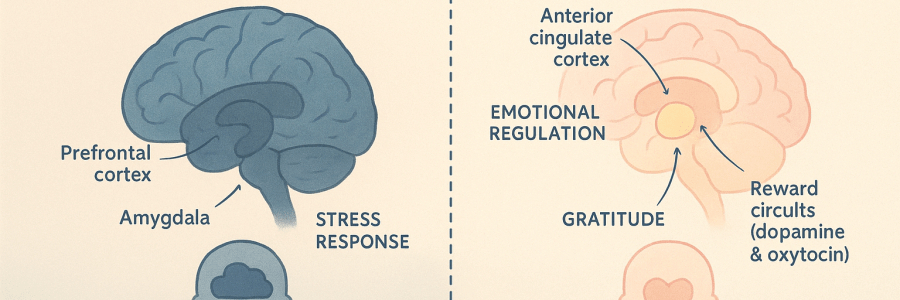
Paying for sex is not primarily about sex.From a neuroscience and psychological perspective, it is most often about power, control, emotional safety, attachment wounds, and nervous-system regulation. 1. The Neuroscience: Control Over Connection Healthy sexual intimacy activates: But true intimacy requires emotional vulnerability, which activates deeper brain regions responsible for: For many people, this vulnerability feels unsafe. So… Read More Paying for Sex — Neuroscience & Psychology

Serial Daters Who Target Vulnerable Women With Property — A Neuroscience Perspective

There is a specific dating pattern that rarely gets named, yet many women eventually recognize it only after emotional, psychological, or financial harm has already occurred: Serial daters who actively seek out vulnerable women who have stability, property, or resources. This is not romance.It is strategic attachment. From a neuroscience perspective, this behavior is driven less… Read More Serial Daters Who Target Vulnerable Women With Property — A Neuroscience Perspective

Nervous System Differences

Authentic Bonders vs Emotional Performers 1. Core Nervous System State 🟢 Authentic Bonder Baseline state: Regulation & Safety They operate from: Safety → Connection → Bonding 🔴 Emotional Performer Baseline state: Threat & Survival They operate from: Threat → Strategy → Survival 2. Emotional Experience vs Emotional Simulation 🟢 Authentic Bonder They feel emotions internally first,… Read More Nervous System Differences

Using Threats to Evade the Truth and Silence Someone

(What’s really happening) When someone responds to truth, evidence, or accountability with threats, this is not strength, confidence, or power. It is fear-based control. The Core Dynamic When confronted with truth, a psychologically healthy person may feel: But they stay in dialogue. When someone instead threatens, it means: Their nervous system cannot tolerate exposure, so they reach for power.… Read More Using Threats to Evade the Truth and Silence Someone

How to Break the Cycle in Your Relationships

The goal: stop repeating learned patterns, reclaim emotional safety, and build authentic connections. 1. Recognize the Pattern First Before you can change anything, you must identify it. Signs you may be repeating poisonous pedagogy dynamics: Step: Write down recurring relational patterns you notice in yourself and others. 2. Re-parent Yourself Miller emphasizes self-compassion and self-validation as healing tools. Daily Practices:… Read More How to Break the Cycle in Your Relationships

Safety-Based Interaction Strategy

(How to respond to each type without escalating harm) 1) Shame-Based Defensive Aggression Goal: Reduce threat + maintain boundaries + prevent escalation Best Strategy: How to Speak: “I’m not attacking you. I’m sharing my experience.” “Let’s pause this conversation.” “I’m stepping back for now.” What Works: What Backfires: Why: Their nervous system reads pressure as threat. 2) Narcissistic… Read More Safety-Based Interaction Strategy

When Your Truth Is Used Against You

This usually happens when honesty meets emotional insecurity, shame, or control-based relating. It does not mean you were wrong to be open.It means the recipient lacked emotional safety and integrity. What This Behavior Actually Means When someone uses your truth against you, it tells you: They see vulnerability as leverage, not connection. Healthy people think: “They trusted me.” Unsafe… Read More When Your Truth Is Used Against You

Defensive reactions to shame and fear.

When someone is confronted with truth + evidence and their response is to threaten, triangulate, or punish, instead of reflect, clarify, or take responsibility, it reveals their character, not yours. Here’s what that behavior strongly indicates: 1. They feel exposed Threats and blocking are classic defensive reactions to shame and fear. Not: “Let me explain.” But: “I feel cornered. I need… Read More Defensive reactions to shame and fear.

Psychological Profile Comparison

Healthy Partner vs Financial & Emotional Groomer Understanding how healthy people relate versus how groomers operate makes red flags far easier to spot early — before emotional or financial harm occurs. This comparison focuses on patterns, not labels. Core Motivation Healthy Partner→ Connection, mutual growth, shared experience, emotional reciprocity Groomer / Predator→ Stability extraction, emotional supply, financial access, lifestyle maintenance… Read More Psychological Profile Comparison