How the Sunk Cost Trap Operates in Predatory Relationships

Predatory people intentionally front-load the relationship so you invest early, and they invest little.This creates psychological pressure that traps you later. Here’s how it usually works: ⭐ Phase 1 — “Hooking” You With Intensity They create fast closeness: Goal: You form an emotional attachment early.Your brain says: “We’ve started something real.” ⭐ Phase 2 — Getting You to Invest (Emotionally, Financially, or Practically)… Read More How the Sunk Cost Trap Operates in Predatory Relationships

Predatory Opportunism

When behavior signals predatory opportunism, not genuine connection. It is not accidental, and it is not about you. 🧠 Pattern Breakdown 1. Early vulnerability used as an entry point “I’m sick… I don’t have insurance…” This is manufactured urgency.It invites rescue before trust exists. ✅ Healthy people solve early problems without testing your resources. 2. Asset-scanning questions “Do you own the house?”… Read More Predatory Opportunism

Transactional relationships driven by money and security

When people live with someone primarily for financial gain or a luxury lifestyle, the relationship quietly shifts from connection to transaction. Affection becomes currency. Tolerance replaces boundaries. Harm is excused not because it isn’t felt, but because survival—or comfort—feels more urgent than integrity. From a neuroscience perspective, this dynamic is not accidental. The human brain… Read More Transactional relationships driven by money and security

Self Erasure

At some point, many people notice a quiet shift in their relationships. Conversations stop being mutual. Listening fades. What replaces it is agenda—people focused less on connection and more on what they can extract from a situation. This is how many relationships become transactional. Some people are interested only in favors, free help, emotional labor,… Read More Self Erasure

Healthy Reciprocity: Building Safety and Reward in Relationships

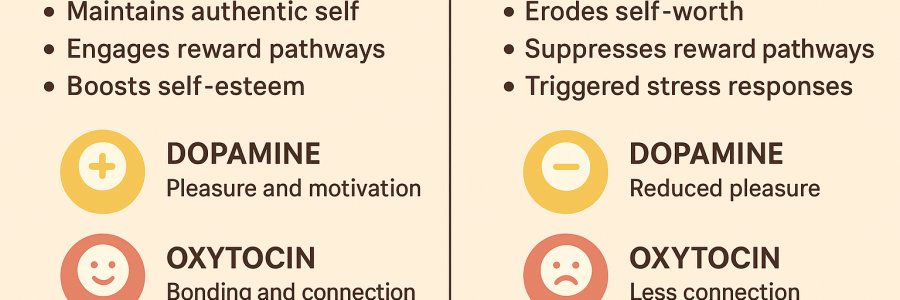
Reciprocity is the backbone of trust, emotional safety, and attachment. It works because your brain and nervous system are wired to seek predictable, rewarding interactions. 1. The Neurochemistry of Reciprocity When someone consistently responds to your needs — emotionally, physically, or socially — your brain releases key neurochemicals: Neurochemical Role Effect on Relationships Oxytocin Bonding hormone Promotes… Read More Healthy Reciprocity: Building Safety and Reward in Relationships

Neurochemistry of Secure Couples

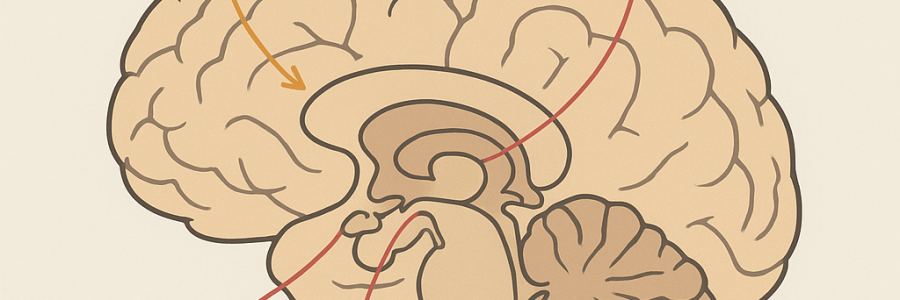
1. Key Brain Regions Region Role in Secure Attachment Activation Effects Amygdala Threat detection, fear response Downregulated → reduced anxiety, fear of abandonment Prefrontal Cortex Decision-making, emotional regulation Active → logical problem-solving, calm response to conflict Anterior Cingulate Cortex Social pain, empathy Regulated → enhances empathy, attunement Insula Interoception, emotional awareness Active → reads own… Read More Neurochemistry of Secure Couples

How Secure People Thrive with Secure Partners

Secure attachment is one of the strongest predictors of healthy, lasting relationships. When a securely attached person pairs with another secure partner, the result is synergy, growth, and fulfillment. 1. Mutual Trust and Safety Result: Confidence in the relationship and comfort in vulnerability. 2. Effective Communication Result: Less stress, more understanding, and deep emotional attunement. 3. Emotional Co-Regulation… Read More How Secure People Thrive with Secure Partners

How Secure People Get Trapped with Insecure or Abusive Partners

Most people assume that secure attachment protects someone from ending up in an unhealthy relationship. And in many cases, it does. But the truth is more complex: Secure people are sometimes MORE vulnerable to getting trapped —precisely because of their strengths. A securely attached person expects honesty, repair, and emotional reciprocity.When they meet someone who is… Read More How Secure People Get Trapped with Insecure or Abusive Partners