Malicious Communications Act 1988 

In the UK, sending threatening or abusive messages, including texts, is taken very seriously by the law. Where someone is threatening to take children and harm a mother—can involve multiple legal issues under UK law, including: 1. Harassment or Stalking: 2. Threatening Behaviour: 3. Malicious Communications: 4. Coercive or Controlling Behaviour: 5. Child Abduction Threats: 6. Injunctions and Protective Orders: Potential… Read More Malicious Communications Act 1988 
Psychopaths and non-psychopathic people

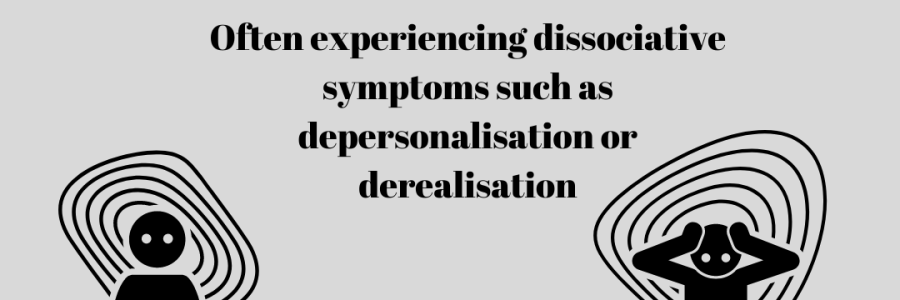
Neuroscientists using MRI scans discovered that psychopathic people have a 10% larger striatum, a cluster of neurons in the subcortical basal ganglia of the forebrain, than regular people. This represents a clear biological distinction between psychopaths and non-psychopathic people. Neuroscientists from Nanyang Technological University (NTU Singapore), the University of Pennsylvania, and California State University have discovered a… Read More Psychopaths and non-psychopathic people

Q & A – Is psychopathy genetic?

There is evidence to suggest that psychopathy has a genetic component, but it is also influenced by environmental factors. Studies have shown that genetic factors account for approximately half of the variance in psychopathic traits. However, it’s important to note that having a genetic predisposition to psychopathy does not necessarily mean that an individual will… Read More Q & A – Is psychopathy genetic?

Q & A – Is “senseless revenge” a mental disorder?

While senseless revenge is not considered a specific mental disorder in and of itself, it may be associated with certain mental health conditions or personality disorders. For example, individuals with antisocial personality disorder may engage in senseless revenge as a way to assert power and control over others, while individuals with borderline personality disorder may… Read More Q & A – Is “senseless revenge” a mental disorder?