Psychological and Emotional Perspective in the Context of Coercive Control and Domestic Abuse

When an abusive or controlling ex-partner files for divorce again — particularly long after you initiated proceedings — the behaviour often reflects patterns of coercive control, not genuine legal necessity. 1. Reasserting Dominance After Losing Control In coercive-control dynamics, the abuser’s identity relies heavily on their ability to dictate the emotional and practical landscape of the relationship.Your original… Read More Psychological and Emotional Perspective in the Context of Coercive Control and Domestic Abuse
Protective Measures After Divorce & in Domestic Violence Cases (Medidas Cautelares)

Even after a divorce, survivors of abuse may require ongoing protection. Spanish law provides temporary legal tools to ensure safety, protect children, and prevent harassment. 1. Restraining Orders (Orden de Protección) 2. Custody and Visitation Protections 3. Housing Protections 4. Financial Safeguards 5. Communication and Harassment Restrictions 6. Police or Court Monitoring 7. How to Request… Read More Protective Measures After Divorce & in Domestic Violence Cases (Medidas Cautelares)

Fear and Shame

That is a very common and deeply harmful dynamic in cases of gender-based violence. When family or friends prioritize reputation, image, or “keeping the peace” over your safety, it adds a layer of secondary abuse and isolation. Here’s a breakdown of what’s happening and why it’s damaging: 🔹 What’s happening 🔹 Why it’s harmful 🔹 Healthy ways to handle… Read More Fear and Shame

Threats

“I have someone else” announcement paired with the “If you ever go with anyone else, you’re dead” threat.This is not normal behaviour.It is coercive, controlling, and psychologically abusive. The Psychology Behind It 1. This is classic “One-Rule-for-Me, Another-Rule-for-You” Abuse People who use coercive control operate from a double standard.They believe they are entitled to freedom, attention, admiration, or multiple… Read More Threats

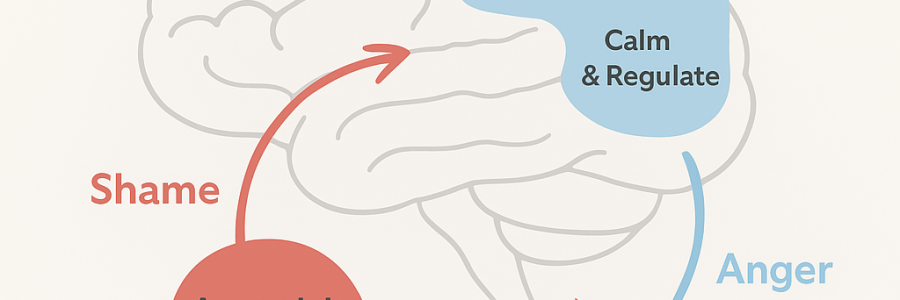
“Who’s Sorry Now?” — The Neuroscience of Threat-Based Control in Abusive Relationships

There’s a very particular sentence that appears in almost every abusive relationship, no matter the age, gender, culture, or country: “You’ll be sorry.”“You’ll regret it if you leave.”“You’ll be sorry if you don’t listen to me.”“Don’t make me do something you’ll regret.” It’s never said accidentally.It’s a psychological weapon — a conditioned threat disguised as… Read More “Who’s Sorry Now?” — The Neuroscience of Threat-Based Control in Abusive Relationships

⚖️ Trauma-Informed Tips for Lawyers, Mediators & Judges

Recognising Coercive Control and Reducing Re-Traumatisation in Court The courtroom is meant to be a place of truth and fairness — but for survivors of abuse, it can easily become a mirror of the very dynamics they escaped.A trauma-informed approach helps professionals differentiate between genuine instability and trauma response, ensuring that coercive control is identified, not… Read More ⚖️ Trauma-Informed Tips for Lawyers, Mediators & Judges

🧠 Male Victims and the Rise of Vigilante “Protection” Groups

Across Europe, there has been a rise in self-styled “paedophile hunter” groups — citizens who impersonate minors online and arrange public confrontations with adults suspected of grooming. Some claim to protect young boys specifically, arguing that male victims are often overlooked. The Hidden Reality of Male Victims Boys and young men are significantly less likely to… Read More 🧠 Male Victims and the Rise of Vigilante “Protection” Groups

Seven people know the truth.

Being cut off from friends and family, being isolated, being told not to talk to anyone — is unfortunately a very well-documented aspect of abusive relationships. The trauma, psychological dynamics, and neuroscience behind these dynamics are real and have been studied. 1. What abusers often do: isolation, control, cutting off witnesses Here are research-backed tactics… Read More Seven people know the truth.

Coercion, Threats & Divorce: Evidence Checklist & Support Contacts

(UK / Spain) Step 1: Preserve Evidence Safely Keep digital or physical copies without putting yourself at risk. Type of Evidence What to Collect / Save Messages / Emails Texts, WhatsApps, Messenger, emails showing threats, pressure, or demands. Include timestamps. Voicemails / Recordings Save threatening calls or voice notes. Check local law before recording. Witnesses Names… Read More Coercion, Threats & Divorce: Evidence Checklist & Support Contacts

Physical, emotional, and financial abuse.

You want to present evidence in court showing physical, emotional, and financial abuse. Here’s a structured approach for each type with practical steps and evidence you can gather. I’ll break it down clearly so it can serve as both a checklist and a guide for your case. 1. Physical Abuse Definition: Any intentional bodily harm or threat… Read More Physical, emotional, and financial abuse.