🧠 HOW “I’M ALWAYS RIGHT” LINKS TO NARCISSISTIC DEFENCES
(Defence ≠ disorder) 1️⃣ THE CORE ISSUE IS SHAME, NOT GRANDIOSITY At the centre of narcissistic-style defences is unprocessed shame. Not: The brain builds certainty as armour. 2️⃣ THE NEUROSCIENCE OF DEFENSIVE CERTAINTY 🧠 Brain mechanics Being wrong triggers the same brain response as danger. So the brain says: “Never be wrong.” 3️⃣ CERTAINTY AS A SELF-STABILISER… Read More 🧠 HOW “I’M ALWAYS RIGHT” LINKS TO NARCISSISTIC DEFENCES

🧠 WHAT “I’M ALWAYS RIGHT” DOES TO THE BRAIN

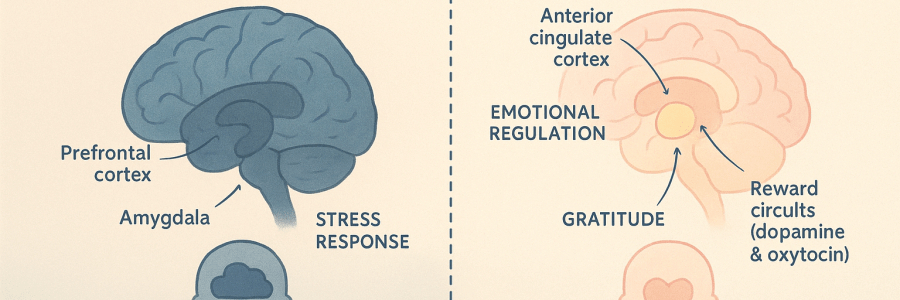
1️⃣ The brain stops learning Neuroscience Result Certainty feels safe — but it is neurologically anti-growth. 2️⃣ The amygdala takes over Being wrong activates threat circuits. If your identity depends on being right: Brain pattern You’re no longer processing information — you’re protecting the self-image. 3️⃣ Dopamine rewards self-confirmation, not truth Each time you: …the brain… Read More 🧠 WHAT “I’M ALWAYS RIGHT” DOES TO THE BRAIN

Do You Trust?

That question sits right at the edge between fear and wonder — and it doesn’t need a forced answer. Belief in a higher power isn’t really about doctrine.It’s about orientation. When life strips away illusions of control, the nervous system looks for one of two anchors: Neuroscience shows that faith (of any kind): Not because the belief… Read More Do You Trust?

“Everything Happens for a Reason”

Some things don’t happen because they’re good.They happen because nervous systems collide, patterns repeat, and people act from their level of regulation. The reason often isn’t visible at the moment of harm.It shows up later as: Meaning isn’t baked into the event.Meaning is what emerges once you’re no longer inside it. From a neuroscience lens: That’s not fate — that’s neuroplasticity.… Read More “Everything Happens for a Reason”

Cruelty is not strength.It’s dysregulation turned outward.

When someone harms others: Cruelty extracts in the short term and erodes from the inside out. The innocent — especially those who stay regulated without becoming hardened — do something very different: Rising doesn’t mean “winning.”It means no longer being pulled downward. So yes — in a very real neurological sense: Not because the world is fair —but because… Read More Cruelty is not strength.It’s dysregulation turned outward.

🧭 HOW TO EXIT FAST-INTIMACY GRACEFULLY

(Nervous system → behaviour → language → outcome) 1️⃣ FIRST: REGULATE BEFORE YOU SPEAK Fast intimacy triggers sympathetic arousal (urgency, pressure, obligation). Before responding: You’re signaling down-regulation. This alone often dissolves the dynamic. 2️⃣ NAME THE PACE — NOT THE PERSON Never say: These trigger shame and escalation. Instead, anchor in your nervous system. Gentle pacing language: Secure people… Read More 🧭 HOW TO EXIT FAST-INTIMACY GRACEFULLY

PACING INTIMACY SO MUTUALITY EMERGES

Here is a clear, practical map for pacing intimacy so mutuality has time to reveal itself, instead of intensity doing the work. This isn’t about holding back or playing games — it’s about letting two nervous systems rise together. 🧭 PACING INTIMACY SO MUTUALITY EMERGES (Nervous system → behaviour → outcome) 1️⃣ THE CORE PRINCIPLE (THIS MATTERS) Intimacy should… Read More PACING INTIMACY SO MUTUALITY EMERGES

🧠 TRAUMA BONDING vs 🧠 TRUE INTIMACY

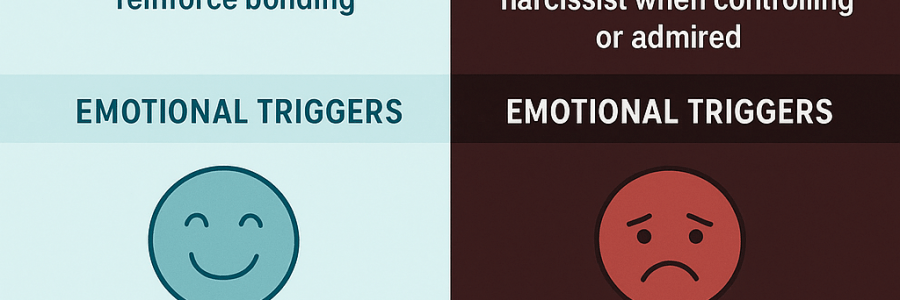
(Why fast feels deep — but isn’t) 1️⃣ THE NEUROCHEMISTRY TRICK 🧠 Trauma bonding brain This cocktail creates: Urgency + intensity + emotional fusion Your brain mistakes relief for connection. 🧠 True intimacy brain This creates: Safety + curiosity + gradual trust It feels calmer — sometimes even “boring” at first. 2️⃣ SPEED IS THE FIRST GIVEAWAY 🚩… Read More 🧠 TRAUMA BONDING vs 🧠 TRUE INTIMACY

🧠 SECURE vs AVOIDANT COMPANIONSHIP BRAINS

(Brain → behaviour → relationship experience) 🟢 SECURE COMPANIONSHIP BRAIN “Connection is safe and mutual.” 🧠 Brain wiring ⬇️ 🧍 Behaviour in early interactions ⬇️ 🔗 Companionship pattern ⬇️ 🧠 Nervous-system effect on you 🔴 AVOIDANT COMPANIONSHIP BRAIN “Connection is useful but dangerous.” 🧠 Brain wiring ⬇️ 🧍 Behaviour in early interactions ⬇️ 🔗 Companionship… Read More 🧠 SECURE vs AVOIDANT COMPANIONSHIP BRAINS