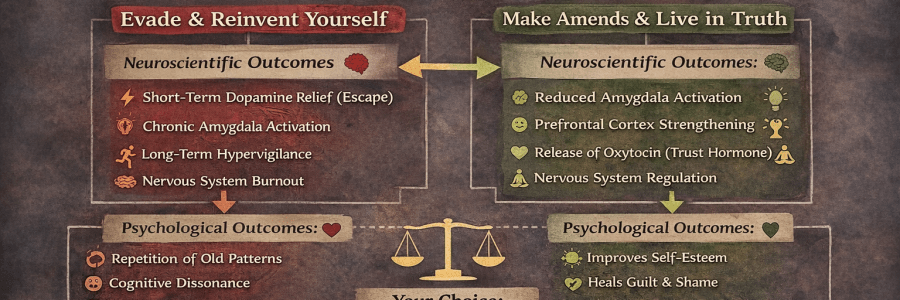
Abusive or high-conflict personalities.
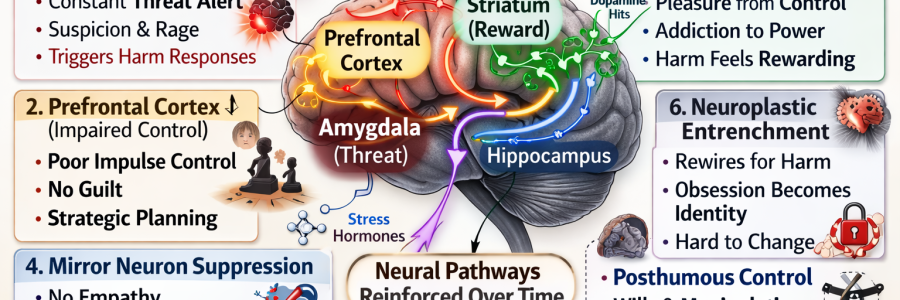
Low impulse control becomes much more significant — and more harmful — when it shows up in abusive or high-conflict personalities. Here’s how it typically plays out: 1. Fast Emotional Reactions Turn Into Harmful Behaviour In these personalities, emotions (especially anger, frustration, or feeling “disrespected”) rise very quickly — and there’s little pause before acting. So… Read More Abusive or high-conflict personalities.
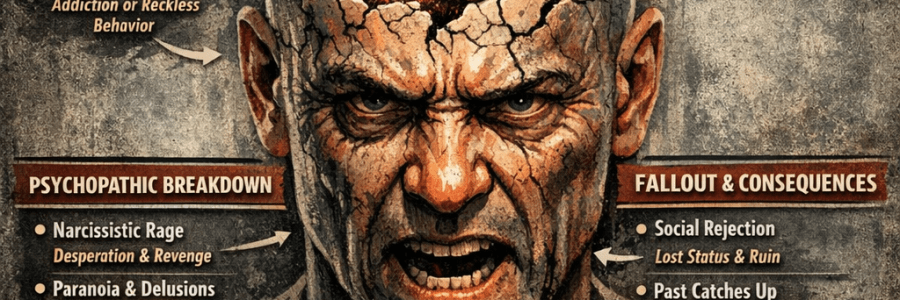
“What Was It Like Living in France?”

A Slightly Honest… Slightly Dramatic Answer People often ask me: “What was it like living in France?” And without missing a beat, I usually reply: “Like solitary confinement… for 16 years.” Now, I know that sounds completely absurd. A bit dramatic.Possibly questionable.Definitely not something you’d expect someone to say about living in France. But honestly?… Read More “What Was It Like Living in France?”

A Quiet Realisation: Why Staying Matters More Than Leaving

Sometimes clarity doesn’t come from big decisions or dramatic moments. It comes quietly — in the middle of a good weekend, surrounded by the right people, in a place that simply feels… right. And suddenly you realise: This is why I need to stay. The Power of Familiarity There is something deeply stabilising about familiarity.… Read More A Quiet Realisation: Why Staying Matters More Than Leaving

When Life Feels Light Again: The Power of a Perfect Weekend

Every now and then, life gives you a moment that reminds you how it’s meant to feel. A perfect weekend isn’t about luxury or perfection — it’s about energy. The kind that feels easy, natural, and real. The kind that doesn’t need effort. It’s good friends.It’s music in the background.It’s sunshine on your face.It’s laughter that comes… Read More When Life Feels Light Again: The Power of a Perfect Weekend

Criminal Liability, Behavioural Control, and the Neuroscience of Post-Separation Abuse

When abuse continues after separation, it is often misunderstood as emotional “refusal to move on.” In reality, psychology and neuroscience show that entrenched behavioural patterns do not automatically soften when a relationship ends — and in some cases, external distance can intensify control-based responses. At the same time, in many jurisdictions, behaviours such as harassment,… Read More Criminal Liability, Behavioural Control, and the Neuroscience of Post-Separation Abuse

Why Abuse Doesn’t Stop After Separation: What Neuroscience and Psychology Really Tell Us

A common belief is that separation from an abusive partner should naturally lead to a reduction in abusive behaviour. In reality, many people experience the opposite: control, intimidation, manipulation, or emotional aggression continues — and sometimes intensifies. Neuroscience and psychology help explain why this happens. 1. The Brain Does Not Automatically “Improve” With Age There… Read More Why Abuse Doesn’t Stop After Separation: What Neuroscience and Psychology Really Tell Us

When an Adult Child Says “My Father Ruined My Childhood”: Understanding Pain, Anger, and What Families Can Do Next

Hearing an adult child say that a parent “ruined their childhood through abusive behaviour” is one of the most emotionally charged moments a family can face. It is not a casual statement. It usually carries years — sometimes decades — of stored pain, unresolved memory, and emotional injury that has never been fully processed. For… Read More When an Adult Child Says “My Father Ruined My Childhood”: Understanding Pain, Anger, and What Families Can Do Next