The overlap: why trauma bonds and healthy attachment both create loops

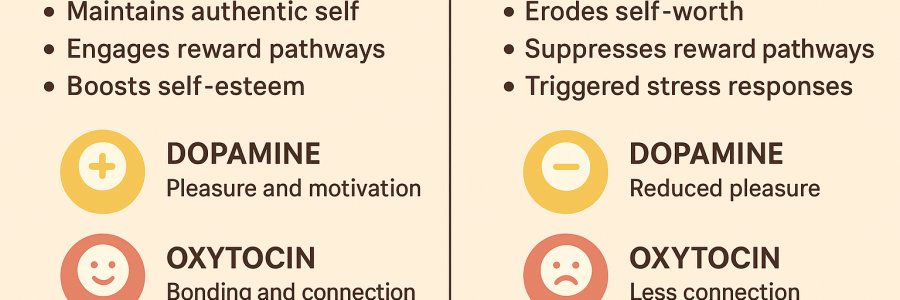
At the surface, both can look like: That’s because both activate attachment circuitry and unfinished emotional processing. But what’s driving the loop is very different. Trauma bonding + Zeigarnik loops 🔥 (the sticky kind) What creates it Trauma bonds form through: Your nervous system learns: Relief = safety. So when the person disappears, the brain: This is dopamine +… Read More The overlap: why trauma bonds and healthy attachment both create loops
Write the ending your brain didn’t get ✍️

Alright — here’s how to consciously close a Zeigarnik loop, step by step, in a way your nervous system can actually accept (not just your logic). This isn’t about “getting over it.”It’s about finishing the story your brain keeps replaying. Step 1: Name the open loop (precisely) Your brain can’t close what’s vague. Instead of: Name it like this:… Read More Write the ending your brain didn’t get ✍️

What is the Zeigarnik effect?

The Zeigarnik effect is a psychological phenomenon where the brain remembers unfinished or interrupted experiences more strongly than completed ones. In simple terms: Your brain hates open loops. If something ends cleanly, the brain files it away.If something ends mid-emotion, mid-story, mid-hope — the brain keeps replaying it. Why it’s brutal in relationships 💔 Romantic situations are perfect Zeigarnik traps because… Read More What is the Zeigarnik effect?

Behind the Mask: Why Abusers Misread Social Support and How Communities Respond

Abusers often live under the illusion that they are admired, untouchable, or in control. They misread silence as acceptance, compliance as respect, and avoidance as fear-based loyalty. But the reality is far more nuanced. In almost every social environment — from small towns and cliques to workplaces and extended family networks — people notice patterns… Read More Behind the Mask: Why Abusers Misread Social Support and How Communities Respond

No One Likes or Agrees with an Abuser

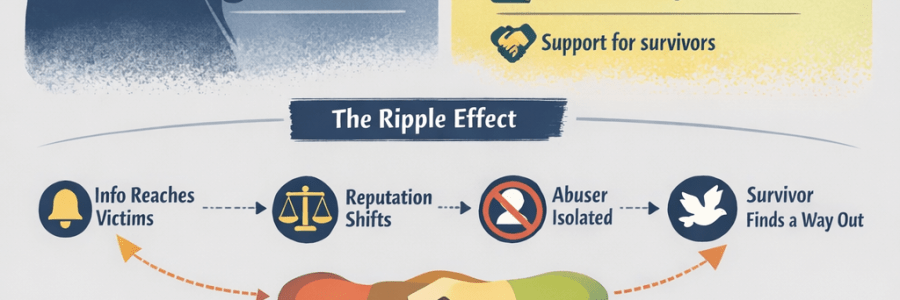
Abuse isolates its perpetrator. Even if they appear charming in certain circles, deep down, people rarely support, admire, or agree with abusive behavior. Communities, friends, and families may quietly warn each other, share their experiences, or protect potential victims — all without confronting the abuser directly. Abusers often think they are unnoticed or untouchable, but… Read More No One Likes or Agrees with an Abuser

Behind Closed Doors: How Word Travels When You’re Unaware

In small, tight-knit communities or social cliques, information travels fast — often faster than the person at the center realizes. Sometimes, the abuser is completely unaware that warnings have been shared about them. People have been told, cautioned, or quietly alerted in their local environment — and yet, no one may say anything directly to… Read More Behind Closed Doors: How Word Travels When You’re Unaware