Having a rewire today.

Current status: Side effects may include: ETA: full upgrade takes a few weeks, but the glitchy charm version is still active.#BrainRewire #HealingJourney #SelfUpgrade #FunnyButTrue
Current status: Side effects may include: ETA: full upgrade takes a few weeks, but the glitchy charm version is still active.#BrainRewire #HealingJourney #SelfUpgrade #FunnyButTrue

When you experience trauma, your brain doesn’t just “feel bad.” Neuroscience shows that trauma can disrupt the prefrontal cortex — the part of your brain responsible for rational thinking, decision-making, and impulse control — and heighten the amygdala, the fear and threat center. This combination makes you more likely to react on instinct, fear, or old patterns, rather… Read More Trauma, Healing, and the Brain: Why Your Choices Change

Some sights carve themselves into the soul.You cannot unsee,you cannot forget —only carry them forward.

It’s been a year of revelations.Some painful. Some clarifying.Life does that.The only real response is to heal —and then continue forward,lighter, clearer, and stronger.

If you receive information or concerns that are distressing or unsettling, it is appropriate to pause and prioritise your own wellbeing. Discuss the situation with your psychologist or mental health professional, particularly if it triggers fear, stress, or past trauma. Their role is to support emotional regulation, clarity, and recovery — not to investigate or… Read More Focus on Healing
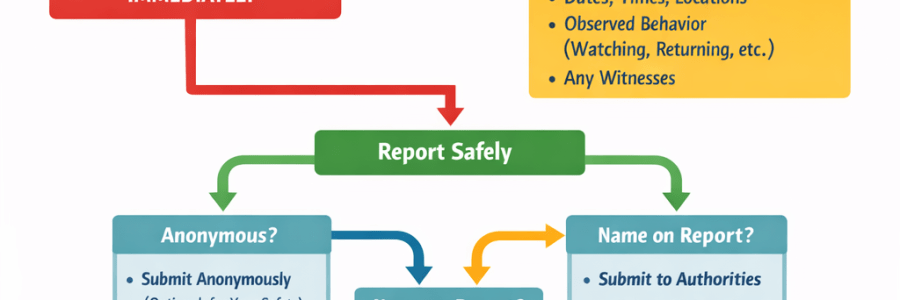
When you report concerns, not accusations, and you do it through the proper channels, you are generally protected. Why reporting is safer than staying silent What actually protects you when reporting You stay safe when you: ✔ Stick to facts, dates, behaviours✔ Avoid speculation, diagnosis, or labels✔ Do not confront the person✔ Do not investigate on your own✔ Report once, then disengage✔ Keep copies… Read More You are usually not in danger for reporting — especially if you do it correctly
Step 1: Receive the report Step 2: Assess immediate danger Step 3: Document facts Step 4: Decide on anonymity Step 5: Submit to authorities Step 6: Maintain confidentiality Step 7: Follow-up Step 8: Personal safety measures Key principle:Your role is receiver, recorder, and reporter, not investigator. Reporting safely through authorities protects both children and yourself.
Here’s guidance on when not to get directly involved if you receive a report or notice concerning someone stalking or watching young children: 1. Do not confront the person 2. Do not investigate on your own 3. Avoid discussing with others unnecessarily 4. Do not assume intent 5. Do not try to intervene with children 6. When… Read More Receiver, recorder, and reporter

If someone who knows your ex well sends you a letter describing concerns about your ex’s behaviour, here’s how to handle it safely and appropriately: 1. Treat it as information, not evidence 2. Read and document carefully 3. Do not share the letter publicly 4. Assess immediate risk 5. Prepare a neutral, factual report Important: Avoid adding opinions, assumptions,… Read More Receiver and recorder, not investigator
 Linda C J Turner | Trauma Therapist & Emotional Healing Specialist