Common Reaction of the brain to an abuser
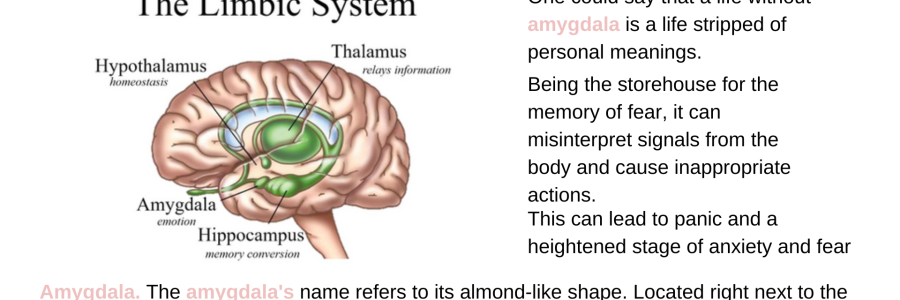
Several important ingredients that contribute to someone’s “addiction” to their abuser are oxytocin (bonding), endogenous opioids (pleasure, pain, withdrawal, dependence), corticotropin-releasing factor (withdrawal, stress), and dopamine (craving, seeking, wanting). With such strong neurochemistry in dysregulated states, it will be extremely difficult to manage emotions or make logical decisions. https://www.psychologytoday.com/us/blog/neurosagacity/201701/the-brain-can-work-against-abuse-victims

 Linda C J Turner | Trauma Therapist & Emotional Healing Specialist