Protection of Women in Spain

Spain has some of the strongest legal frameworks in Europe for protecting women from violence, abuse, and discrimination. This includes domestic violence, sexual harassment, and gender-based discrimination. Key Legal Protections Often called the “Violence Against Women Law.” Restraining orders (alejamiento) Emergency protection measures Specialized courts for gender violence Support services (shelters, legal and psychological assistance) Includes criminal penalties… Read More Protection of Women in Spain

Coercion, Threats & Divorce: Evidence Checklist & Support Contacts

(UK / Spain) Step 1: Preserve Evidence Safely Keep digital or physical copies without putting yourself at risk. Type of Evidence What to Collect / Save Messages / Emails Texts, WhatsApps, Messenger, emails showing threats, pressure, or demands. Include timestamps. Voicemails / Recordings Save threatening calls or voice notes. Check local law before recording. Witnesses Names… Read More Coercion, Threats & Divorce: Evidence Checklist & Support Contacts

Drop the court case!

Demanding someone drop a court case and threatening they’ll “get nothing” in the divorce unless they do — can amount to coercive/controlling behaviour, threats, blackmail or undue pressure. It can be criminal and it will also affect family/civil proceedings (and the safety of the person pressured). Crown Prosecution Service+1 Below I’ve summarised what that means in practice,… Read More Drop the court case!

Putting someone under excessive pressure when they are suicidal — coercive control as a weapon

Summary When a person is suicidal, pressuring, threatening, shaming, or isolating them to get compliance is not only cruel — it is a form of coercive control that dramatically increases risk of self-harm and suicide. This behaviour exploits vulnerability, amplifies fear and hopelessness, and may be criminal in many jurisdictions. (See legal guidance and evidence… Read More Putting someone under excessive pressure when they are suicidal — coercive control as a weapon

The Neuroscience of Coercive Control in Divorce: How Threats Hijack the Brain and How to Break Free

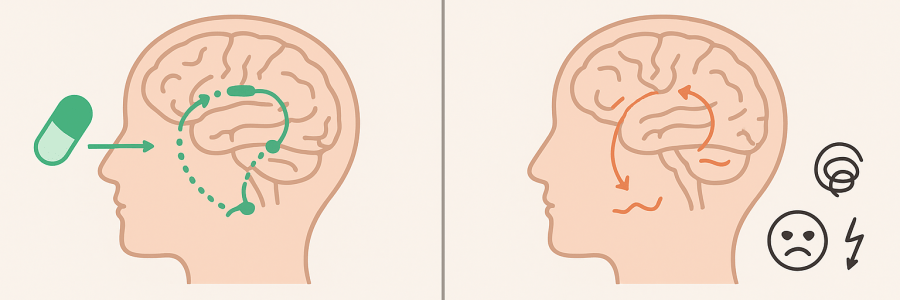
By Linda Carol When a relationship ends, it should bring space for calm. But for many survivors of coercive or emotionally abusive marriages, separation is not peace — it’s the beginning of a new battle for psychological freedom. Threats, intimidation, and manipulative contact often intensify just as the survivor tries to disconnect. Neuroscience helps us understand… Read More The Neuroscience of Coercive Control in Divorce: How Threats Hijack the Brain and How to Break Free

The Psychology of Digital Intimidation: Why Some Abusers Escalate During Divorce

By Linda Carol When a relationship ends, healthy people grieve, reflect, and eventually rebuild.Abusive people, however, often do something different: they intensify control.They move from affectionate texts to weaponized messages — from WhatsApp to email — using new channels to reassert power, rewrite the story, and destabilize the person trying to break free. This pattern is… Read More The Psychology of Digital Intimidation: Why Some Abusers Escalate During Divorce

The Neuroscience of Digital Threats: When WhatsApp Becomes a Tool of Psychological Harassment

By Linda Carol Technology has given us new ways to connect — and new ways to control, intimidate, and wound.When a message pings on WhatsApp, our brain reacts long before we consciously read it.If that message contains threats, emotional pressure, or blackmail, it doesn’t just disturb the mind — it leaves measurable imprints on the nervous… Read More The Neuroscience of Digital Threats: When WhatsApp Becomes a Tool of Psychological Harassment

🧠 What “Homeostatic Pull” Means

Homeostasis is a biological term that means balance or stability.Your body is always trying to stay within certain limits — temperature, blood sugar, heart rate, hormone levels — all kept steady by automatic systems. In psychology, we borrow that idea to describe how people and families unconsciously try to keep emotional balance, even if that “balance” is unhealthy. So, homeostatic pull refers to… Read More 🧠 What “Homeostatic Pull” Means

The Psychology of Minimizing Abuse: Why Families Say “You’ll Both Move On”

By Linda Carol When someone tells you, “In a year you’ll both have moved on,” while you’re still reeling from trauma or even ongoing harassment, it can feel like a slap.It sounds well-meaning on the surface — a gesture toward healing or optimism — but underneath, it’s a subtle act of emotional erasure. Why do people say things… Read More The Psychology of Minimizing Abuse: Why Families Say “You’ll Both Move On”

“In a year, you’ll both have moved on”

When a family member says something like “In a year, you’ll both have moved on” — while you’re still processing trauma or even enduring harassment — it can feel invalidating, even shocking. From psychology and neuroscience, this kind of response tells us a lot about how the human brain avoids discomfort, how social cognition works, and why people often side with… Read More “In a year, you’ll both have moved on”