Real Love Doesn’t Confuse You: The Neuroscience of Emotional Clarity

If someone really wants you, you’ll know.It won’t be a guessing game.It won’t be mixed signals.It won’t be head-spinning mind games or emotional exhaustion.It won’t be on and off, hot then cold, kind when they want something and distant when they don’t.It won’t be detachment when you set boundaries or the silent treatment when they… Read More Real Love Doesn’t Confuse You: The Neuroscience of Emotional Clarity

Gratitude for the Good and the Bad: The Neuroscience of Learning Through Contrast

By Linda C. J. Turner — Therapist & Advocate | Neuroscience & Emotional Intelligence Practitioner We often hear that gratitude changes the brain — but what many don’t realise is that it’s not only the “good” we must be grateful for. Sometimes, life’s hardest moments are the ones that reshape us the most. Neuroscience shows that our… Read More Gratitude for the Good and the Bad: The Neuroscience of Learning Through Contrast

Oxytocin: The Bonding Hormone

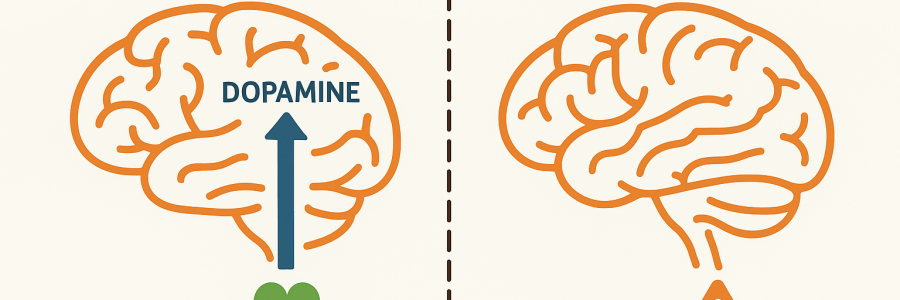
Let’s dive into the neuroscience of friendship-first love and why it often feels more satisfying over the long term: 1. Oxytocin: The Bonding Hormone 2. Dopamine: Reward and Anticipation 3. Serotonin: Emotional Stability 4. Prefrontal Cortex: Rational Intimacy 5. Amygdala: Fear vs. Trust Bottom Line Friendship-first love combines: This combination creates a love that’s not just thrilling but… Read More Oxytocin: The Bonding Hormone

🌿 Gratitude Reveals Character

Gratitude is one of the purest signs of emotional health.When someone can’t even say thank you, they’re revealing something deeper:“I don’t value you — because I’ve mistaken your kindness for obligation.” But remember — that says far more about them than it ever will about you. Your kindness was never the problem. Their entitlement was.True gratitude doesn’t just say thank… Read More 🌿 Gratitude Reveals Character

🌿 Let It Go

Sometimes the hardest thing you can do is nothing.You want to speak your truth. Defend yourself. Explain. Correct the story.But deep down, you know that some battles aren’t yours to fight — they belong to God. When you step back instead of stepping in, you’re not being weak. You’re choosing peace over pride. You’re saying, “I trust… Read More 🌿 Let It Go

Bonding

Let’s dive into the neuroscience of friendship-first love and why it often feels more satisfying over the long term: 1. Oxytocin: The Bonding Hormone 2. Dopamine: Reward and Anticipation 3. Serotonin: Emotional Stability 4. Prefrontal Cortex: Rational Intimacy 5. Amygdala: Fear vs. Trust Bottom Line Friendship-first love combines: This combination creates a love that’s not just thrilling but… Read More Bonding

Friendship-first intimacy

Friendship-first intimacy, where a romantic or sexual relationship grows slowly from a foundation of friendship. That’s a very different experience from a “love-at-first-sight” rush—it tends to feel deeper and more secure. Here’s what it’s usually like, from both psychological and emotional perspectives: 1. Safety and Trust 2. Emotional Depth 3. Anticipation and Gradual Excitement 4.… Read More Friendship-first intimacy

1. Psychological and Emotional Background

Predatory behavior often arises from unresolved psychological needs or personality patterns. Common factors include: 2. Family and Upbringing Factors Certain family environments can shape predatory tendencies: 3. Environmental and Social Factors Beyond upbringing, society and environment can reinforce predatory tendencies: 4. Psychological Mechanisms Predators often share certain thought patterns: 5. Not Inevitable It’s important to note: not everyone with… Read More 1. Psychological and Emotional Background

How to Recognise Lifestyle Predators Early

The Five Red Flags of Emotional Extraction By Linda C. J. Turner | Trauma Therapist & Neuroscience Practitioner© LindaCJTurner.com They don’t always arrive with demands — sometimes they come wrapped in charm, empathy, or “innocent need.”Here’s how to spot the early signs before emotional extraction begins. 1. Rapid Intimacy and Emotional Mirroring They move quickly… Read More How to Recognise Lifestyle Predators Early