High Risk / Extreme Risk under violencia de género

Here’s a detailed explanation of the types of records the Guardia Civil keeps in cases like yours (High Risk / Extreme Risk under violencia de género), so you know exactly what exists and how it’s used: 1️⃣ Personal Information & Victim Profile The police maintain a file with: This helps the Guardia Civil respond quickly in an emergency. 2️⃣ Aggressor… Read More High Risk / Extreme Risk under violencia de género

Riesgo Alto and Riesgo Extremo 

Riesgo Alto and Riesgo Extremo — are official Spanish police risk classifications used in cases of violencia de género(gender‑based or domestic violence). These levels determine the amount of protection and intervention given by the Guardia Civil, Policía Nacional, and Unidad de Violencia de Género. Below is a detailed explanation in plain language so you understand exactly what it means and what precautions… Read More Riesgo Alto and Riesgo Extremo 

Sometimes life surprises you with the most unexpected gifts. 💛

I want to take a moment to celebrate the beautiful men in my life who have shown me friendship in its purest form. Friends who: Love doesn’t always need to be romantic. Friendship doesn’t always need a motive. To all these incredible men—thank you for showing me generosity, joy, and care in ways I never… Read More Sometimes life surprises you with the most unexpected gifts. 💛

When You Document the Abuse, the Truth Becomes Impossible to Erase

by Linda C J Turner One of the most important things I ever did during decades of emotional and psychological abuse was this: I documented everything. Not because I planned to use it one day.Not because I was preparing for court.Not because I wanted revenge. But because I was living in so much confusion, denial, and gaslighting that writing… Read More When You Document the Abuse, the Truth Becomes Impossible to Erase

Professional Evidence Table:

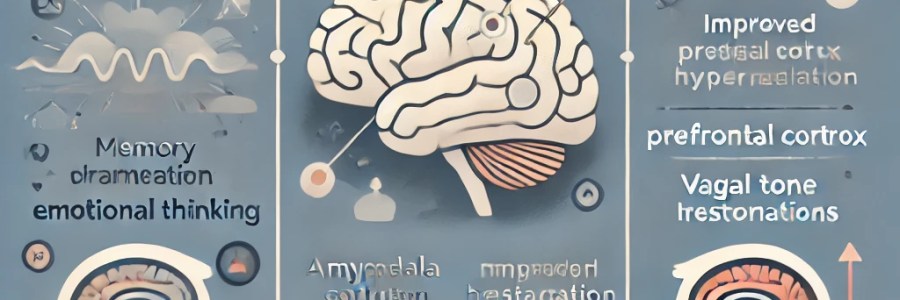
Abuse Behaviours → Neurological Effects → Legal & Safeguarding Relevance** Abusive Behaviour Documented Neurological Effect Impact on Survivor Behaviour Legal & Safeguarding Relevance Stonewalling / Silent Treatment ↑ Amygdala activation; ↓ mPFC regulation Hypervigilance, cognitive freeze, anxiety, difficulty thinking clearly Explains confusion, non-linear recall, emotional instability during interviews Refusal to Answer Questions (“You’re guessing, you’ll… Read More Professional Evidence Table:

Hippocampal Atrophy and Chronic Coercive Control:

A Legal and Safeguarding Briefing** For Courts, Social Services, Safeguarding Officers, and Legal Representatives Summary:Long-term exposure to coercive control, emotional deprivation, and relational intimidation produces well-documented neurological effects. These are not subjective experiences. They are measurable injuries that impact cognition, memory consistency, and threat appraisal — all of which are directly relevant to legal credibility,… Read More Hippocampal Atrophy and Chronic Coercive Control:

Hippocampal Atrophy in Chronic Domestic Abuse: Clinical Implications and Recovery Pathways

Professional Summary for Therapists, Advocates, and Educators Long-term interpersonal trauma—particularly coercive control, emotional deprivation, chronic unpredictability, and relational threat—produces well-documented neurobiological changes. These changes are not metaphorical. They are structural, functional, and measurable. One of the most clinically significant is hippocampal shrinkage. 1. Neurobiological Impact: What the Evidence Shows Hippocampal Atrophy Research spanning two decades (Bremner,… Read More Hippocampal Atrophy in Chronic Domestic Abuse: Clinical Implications and Recovery Pathways

What Long-Term Abuse Does to the Brain: My Story, My Proof, My Healing

(by Linda C J Turner) Most people think abuse leaves only emotional scars.They have no idea it physically reshapes the brain. Twelve years ago, an MRI scan showed hippocampal shrinkage — the part of the brain responsible for memory, emotional processing, and learning.My doctor in France pointed it out clearly:a visible sign of long-term trauma. At the time, I… Read More What Long-Term Abuse Does to the Brain: My Story, My Proof, My Healing

You Didn’t Leave for Someone Else. You Left for Your Life.

A Neuroscience Perspective on Walking Away From Decades of Abuse** People love simple stories:“She left him for someone else.”It’s tidy. It preserves the family narrative.It avoids the uncomfortable truth that abuse was happening in plain sight — emotional, physical, financial — and no one stopped it. But the brain doesn’t lie.The nervous system doesn’t lie.Your healing doesn’t… Read More You Didn’t Leave for Someone Else. You Left for Your Life.