Reverberatory Activity refers to ongoing, repeating patterns of neural firing within brain circuits after a stimulus or experience occurs.
In simple terms:
the brain keeps certain neural activity “looping” for a period of time.
This concept was important in early neuroscience theories of:
- memory formation
- attention
- emotional processing
- learning
- and persistent thoughts or mental states
The idea is that groups of neurons continue activating one another in circuits, allowing information or emotional states to remain active even after the original trigger has disappeared.
This helps explain things such as:
- holding information briefly in mind
- repetitive thinking
- rumination
- intrusive memories
- emotional fixation
- and aspects of short-term or working memory
For example:
- replaying an argument repeatedly in your head
- obsessively thinking about a relationship
- mentally reliving a traumatic event
- or having a song “stuck” in your mind
may involve reverberating neural circuits continuing to fire.
Early neuroscientist Donald Hebb proposed influential theories suggesting that repeated neural activation strengthens connections between neurons:
“neurons that fire together wire together.”
This became foundational for modern understanding of:
- learning
- neuroplasticity
- memory consolidation
- and emotional conditioning
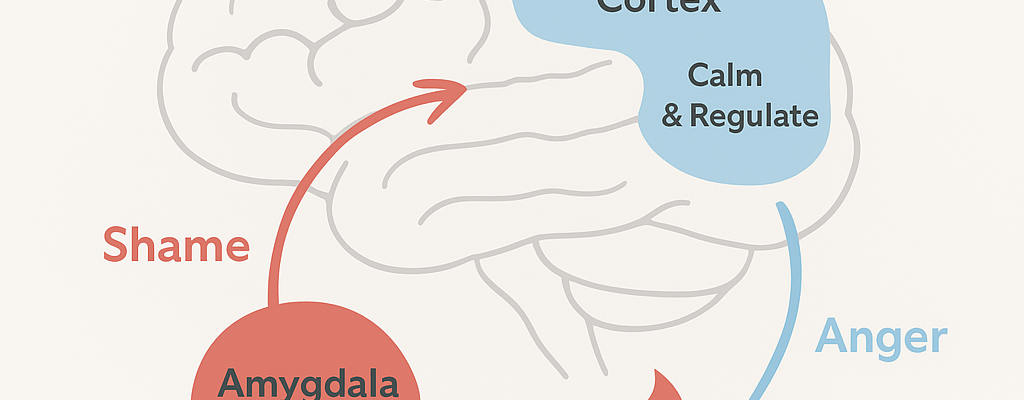
Emotionally intense experiences especially tend to create stronger reverberatory patterns because the amygdala and stress systems increase the brain’s attention and encoding processes.
That is one reason:
- trauma memories can persist vividly
- emotional attachment can feel difficult to “switch off”
- and repetitive relationship thinking can continue long after events are over
Modern neuroscience has expanded far beyond the original theory, but reverberatory activity remains an important historical and conceptual explanation for how the brain sustains thoughts, memories, and emotional states over time.

