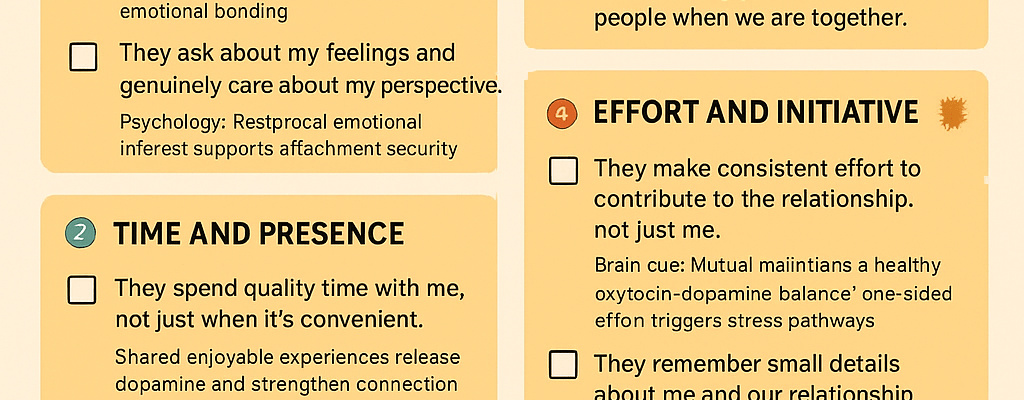
Covert Narcissist Detection Guide — a deep psychology + neuroscience-based framework to help you spot hidden narcissistic manipulation early, before emotional damage occurs.
This focuses on subtle, quiet, hard-to-detect narcissism — the kind that causes maximum psychological harm while appearing kind, sensitive, or wounded.
How to spot the most dangerous form of narcissism
🧩 What Is Covert Narcissism?
Unlike overt narcissists (loud, dominant, arrogant), covert narcissists operate through:
- Victimhood
- Emotional manipulation
- Passive-aggression
- Guilt
- Fragile ego
- Hidden entitlement
They look gentle — but control through emotional pressure.
🧬 The Psychological Core
| Trait | Meaning |
|---|---|
| Fragile self-esteem | Easily wounded ego |
| Entitlement | Believes they deserve special treatment |
| Low empathy | Understands emotions but doesn’t feel them |
| Shame-based identity | Deep insecurity masked by superiority |
| Victim identity | Uses suffering for leverage |
🚩 Core Behavioral Patterns
1️⃣ Victim Identity
What it looks like:
- Everyone has wronged them
- Endless stories of betrayal
- Always misunderstood
- Always mistreated
What it means:
➡️ Avoids accountability + gains sympathy + controls through pity
2️⃣ Subtle Superiority
What it looks like:
- Quiet judgment
- Moral superiority
- Intellectual condescension
- “I’m not like other people”
Meaning:
➡️ Hidden grandiosity
3️⃣ Passive-Aggressive Control
What it looks like:
- Silent treatment
- Emotional withdrawal
- Sulking
- Indirect hostility
Meaning:
➡️ Punishment without confrontation
4️⃣ Guilt-Based Manipulation
What it looks like:
- “I guess I’m just not important”
- “After all I’ve done…”
- Emotional disappointment
Meaning:
➡️ Compliance through shame
5️⃣ Boundary Testing
What it looks like:
- Subtle pressure
- Emotional persuasion
- “Just this once”
- Playing wounded when told no
Meaning:
➡️ Gradual control
🧠 Covert Narcissist Communication Style
| Healthy | Covert Narcissist |
|---|---|
| Direct | Indirect |
| Clear | Confusing |
| Honest | Suggestive |
| Calm | Guilt-laced |
| Accountable | Deflective |
🧬 Emotional Experience They Create In You
If you feel several of these, beware:
- Confusion
- Self-doubt
- Guilt
- Emotional exhaustion
- Anxiety
- Feeling responsible for their emotions
- Walking on eggshells
👉 This is psychological control.
🪤 The Covert Narcissist Bonding Pattern
- Soft charm
- Emotional vulnerability
- Victim stories
- Deep emotional sharing
- Subtle dependence
- Guilt hooks
- Emotional control
🧠 Attachment Pattern
- Highly anxious or disorganized attachment
- Fear of abandonment
- Deep shame
- Emotional dependency
🚨 The Covert Narcissist Red Flag Stack
If you see 4 or more, disengage:
- Victim identity
- Passive-aggression
- Emotional guilt
- Boundary pushing
- Fragile ego
- Entitlement
- Emotional withdrawal punishment
This predicts long-term emotional harm.
🧠 Covert Narcissist vs Healthy Vulnerability
| Healthy Vulnerability | Covert Narcissism |
|---|---|
| Shares pain but owns it | Shares pain to control |
| Takes accountability | Blames others |
| Regulates emotions | Emotional volatility |
| Accepts boundaries | Punished boundaries |
| Reciprocity | Emotional extraction |
🛡️ Protection Strategy
Slow everything down.
- Slow communication
- Slow emotional intimacy
- Slow commitment
- Slow vulnerability
Covert narcissism cannot survive slow pacing.
🧬 Nervous System Truth
Safe people feel calm.
Covert narcissists feel emotionally heavy.
💎 Master Rule
If you feel emotionally responsible for someone early — pause immediately.
🧠 Trauma-Informed Insight
If you’ve experienced emotional harm, your nervous system is now:
✔ Highly sensitive
✔ Extremely perceptive
✔ Fast at detecting manipulation
That’s not hypervigilance.
That’s trained psychological intelligence.
 Linda C J Turner | Trauma Therapist & Emotional Healing Specialist