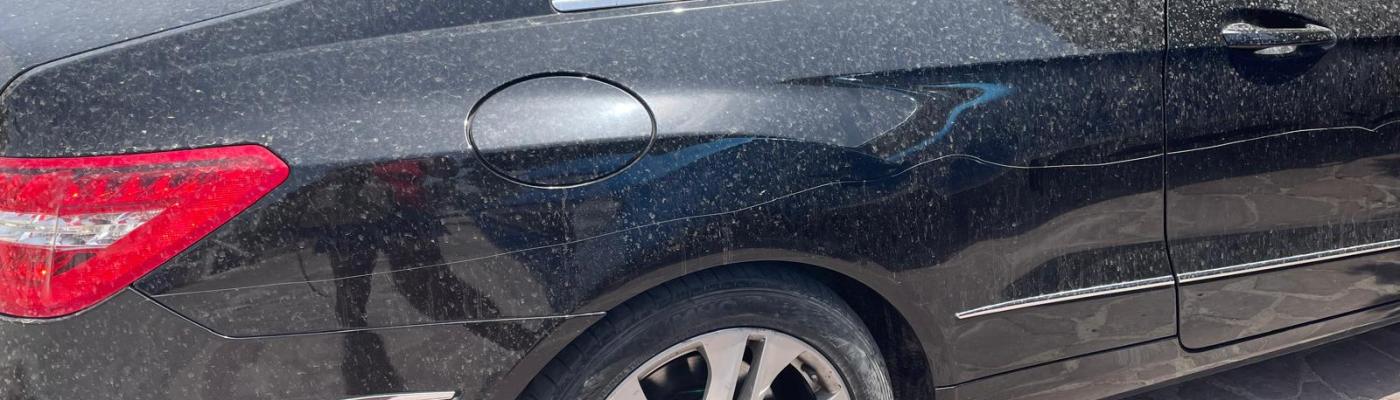
When an ex-partner insists they are entitled to “half the car,” and soon after the car is keyed, damaged, repaired, and then keyed again within days, that pattern is not a coincidence.
In coercive or abusive dynamics, this behaviour is often a form of retaliation, property intimidation, and psychological punishment.
Below is the breakdown.
1. Retaliation for Losing Control
When they don’t get what they want — money, the car, ownership — the brain triggers a threat response.
This leads to:
- acts of revenge,
- punishing you for not complying,
- and damaging something they associate with power or status.
The car becomes a symbol of:
- independence,
- financial stability,
- or “what they feel entitled to.”
Damaging it is a way of “getting even.”
2. Property Damage as Post-Separation Abuse
This pattern is extremely common in coercive control cases.
Property damage is used to:
- scare you
- destabilise you
- show you they can still reach you
- increase costs and stress
- remind you that you are not “free”
The timing — right after disputes about ownership — is highly significant.
3. “If I can’t have it, you won’t enjoy it either.”
This is called malicious envy in psychology:
The person feels entitled to the object, and when they don’t get it, they experience humiliation.
To relieve that painful emotion, the brain unconsciously looks for a destructive outlet.
Vandalism becomes:
- a release of rage,
- a way to damage the object of “injustice,”
- an attempt to reduce your pleasure or benefit.
4. Neuroscience: Humiliation → Amygdala Activation → Impulsive Aggression
In people with poor emotional regulation or narcissistic tendencies, the brain reacts intensely to perceived disrespect or loss.
What happens in the brain:
- The amygdala interprets “you won’t give me the car” as a personal threat.
- Stress hormones (cortisol, adrenaline) surge.
- The prefrontal cortex (logic) shuts down.
- The brain moves into fight mode → impulsive aggression, destruction, revenge.
This is why the damage happens quickly and repeatedly.
5. Repeated Damage Means Intentful Behaviour
Accidents don’t happen twice, especially right after a conflict about ownership.
Two incidents in a short time frame strongly suggest:
- intentional intimidation
- punishment
- escalating control
- property-based violence
In domestic-abuse frameworks, this is known as “property as a weapon.”
6. Double Damage After Repair = Message-Sending
When the car is vandalised again right after being repaired, it is often symbolic:
- “I can still reach you.”
- “You can’t stop me.”
- “You think you won? I’ll show you.”
- “You won’t enjoy what I want to own.”
This is a form of covert aggression and psychological warfare.
7. It Also Helps Their Narrative
Later they can claim:
- The car is “damaged goods” so it’s worth less (reducing your share).
- You don’t take care of it.
- You cause trouble.
- You’re irresponsible or “dramatic.”
This manipulation allows them to twist the situation in their favour.
Summary
When someone asks for half of a car, and shortly after:
- it is keyed,
- repaired,
- then keyed again within days,
this behaviour is consistent with:
- coercive control
- retaliatory aggression
- psychological punishment
- property-based intimidation
- humiliation-triggered threat responses in the brain
- attempts to destabilise you financially and emotionally
It is a red flag of post-separation abuse, not normal behaviour.
A car being vandalised twice in close succession, immediately after disputes over ownership, is highly unlikely to be accidental. The timing, repetition, and targeting of the same vehicle suggest a purposeful pattern rather than random chance. In cases of post-separation conflict, property damage is a recognised form of intimidation and retaliation: the vehicle becomes a symbolic object linked to control, entitlement, or unresolved anger. While this does not identify who caused the damage, the sequence of events strongly indicates intentional, motivated behaviour rather than coincidence.
 Linda C J Turner | Trauma Therapist & Emotional Healing Specialist