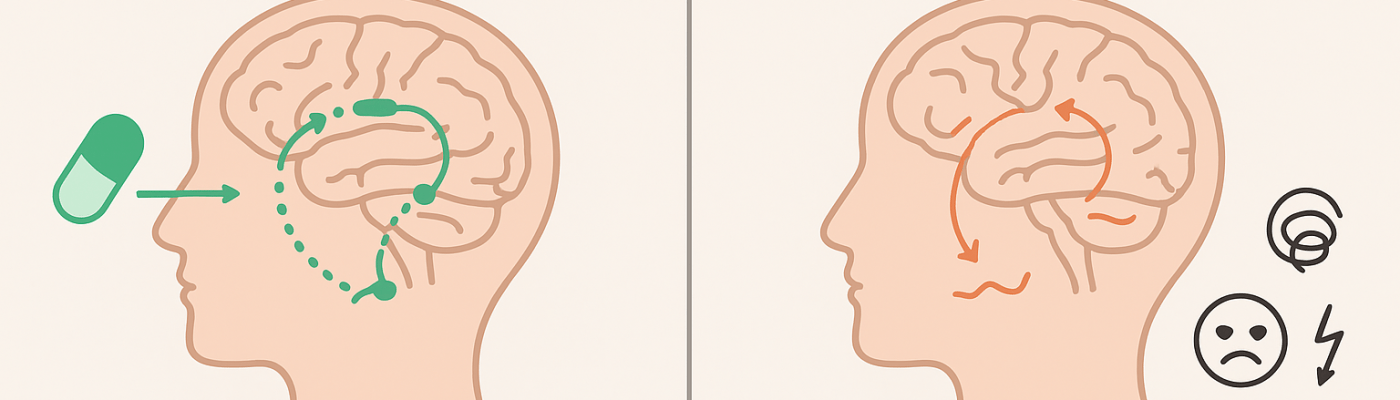
“How It Feels to Be a Sociopath” (a composite, non-sensationalised perspective based on self-descriptions by real people with ASPD traits)
“It’s not that I don’t feel.
It’s that my feelings don’t guide me the way they guide you.”
People with sociopathic traits often describe:
1. A baseline of emotional quiet
Not emptiness—more like stillness. Where others feel guilt or shame lightning-fast, they feel a pause, a gap.
A moment where they must choose: What is the correct action here? What outcome do I want?
2. Hyper-clarity under pressure
Chaos calms them. Emergencies sharpen them.
Where others spiral, they lock in.
That’s why many sociopaths become great in crisis: their bodies don’t flood with the chemicals that overwhelm most people.
3. Relationships as equations
They care—but care doesn’t automatically equal empathy.
Love is expressed through loyalty, provision, protection, presence… not emotional resonance.
They often say: “I love you the way I love, not the way you expect me to.”
4. Loneliness that’s hard to solve
The world tells them they’re broken; the media tells them they’re monsters. Meanwhile, they privately struggle with wanting connection but lacking the intuitive wiring to maintain it in the ways others require.
One sociopath described it poignantly:
“I want to belong. I just don’t always understand the choreography.”
5. A strong moral code—just constructed differently
Not based on empathy or guilt but on logic, principles, identity, or values that matter to them.
Many say they follow rules not because they feel bad breaking them, but because they’ve chosen the kind of person they want to be.
6. The lifelong work of self-regulation
Impulsivity, boredom-seeking, and emotional flatness can be dangerous without insight.
Those who thrive tend to develop:
- behavioural strategies
- strict boundaries
- routines
- accountability structures
- radical self-honesty
They build a life that channels their neurology rather than letting it run wild.
 Linda C J Turner | Trauma Therapist & Emotional Healing Specialist