The idea that human brains emit and receive ultra-low-frequency (ULF) electromagnetic waves, forming a global neural network connecting conscious minds, is a captivating and speculative concept. While this notion has been widely circulated on social media platforms like Facebook and Instagram, there is currently no peer-reviewed scientific evidence from Princeton University or any other reputable research institution to support such claims.
Understanding Electromagnetic Waves and Brain Activity
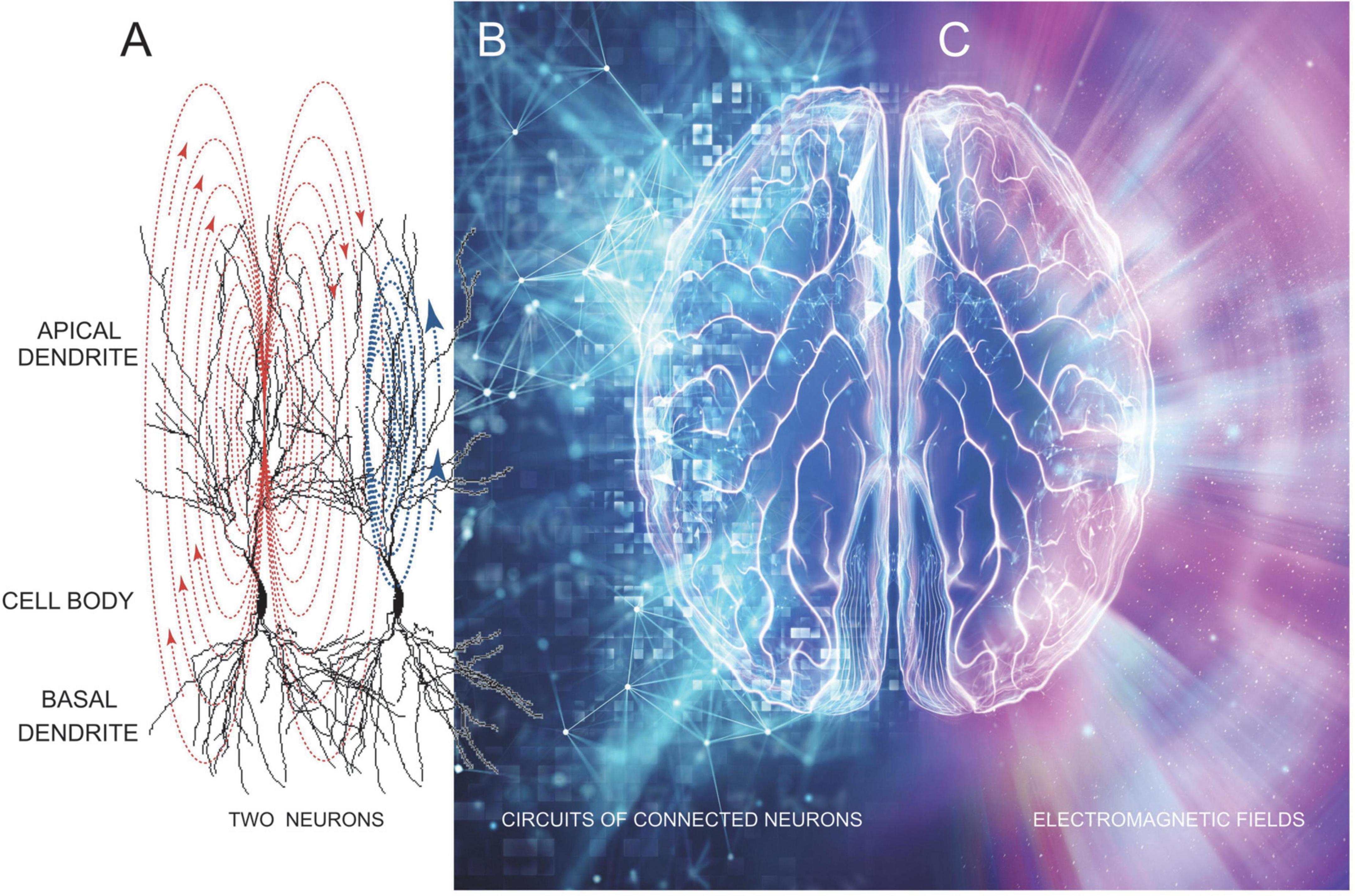
The human brain does produce electromagnetic activity, primarily in the form of brainwaves such as alpha, beta, and gamma waves. These are electrical oscillations detectable through techniques like EEG (electroencephalography), but their range is typically confined to the individual’s head and does not extend over vast distances. The concept of ULF electromagnetic waves being emitted by the brain and influencing distant minds is not supported by current neuroscientific understanding.Free Jupiter
The Role of Magnetometers in Brain Research
Magnetometers are indeed used in neuroscience to measure the magnetic fields generated by neural activity. However, these measurements are highly localized and do not suggest that the brain emits long-range electromagnetic signals capable of influencing other brains thousands of kilometers away.
Speculative Interpretations and Misconceptions
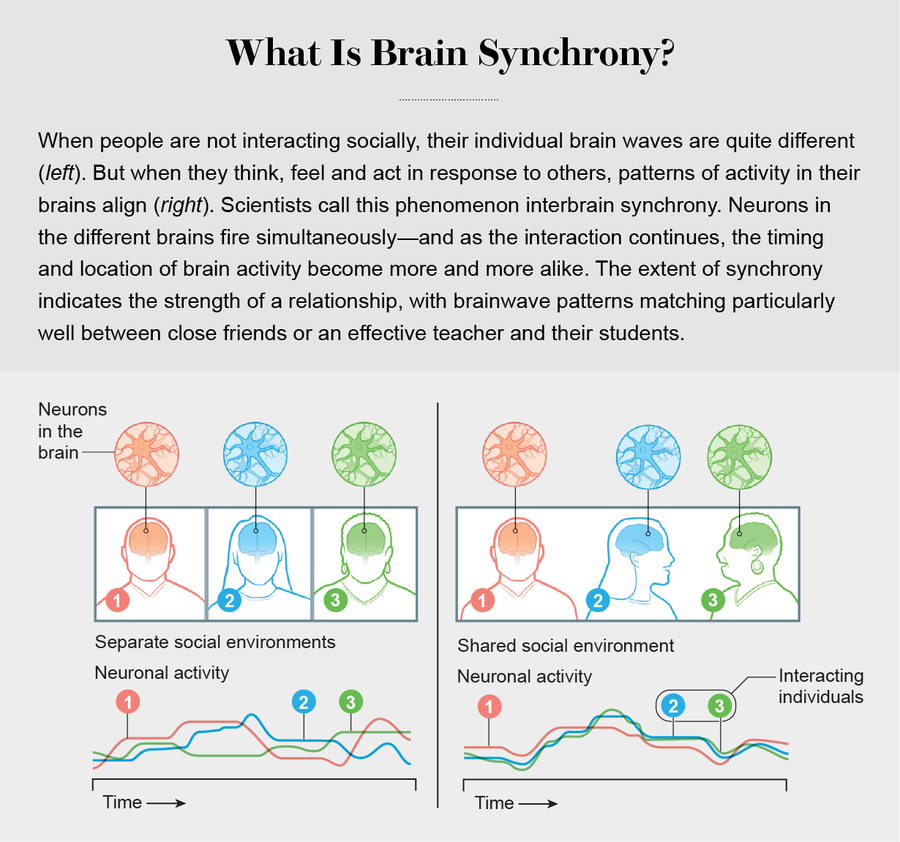
The idea of a global neural network connecting conscious minds may stem from misinterpretations or speculative interpretations of existing research. While studies have shown that human brains can synchronize during interactions—such as during conversations or shared experiences—this synchronization is due to mutual neural responses and does not involve the emission of electromagnetic waves over long distances.
Conclusion
While the concept of a global neural network connecting human minds is intriguing, it currently resides within the realm of science fiction rather than established scientific fact. Until peer-reviewed studies provide empirical evidence supporting such claims, it’s important to approach such ideas with skepticism and rely on scientifically validated information.
 Linda C J Turner | Trauma Therapist & Emotional Healing Specialist