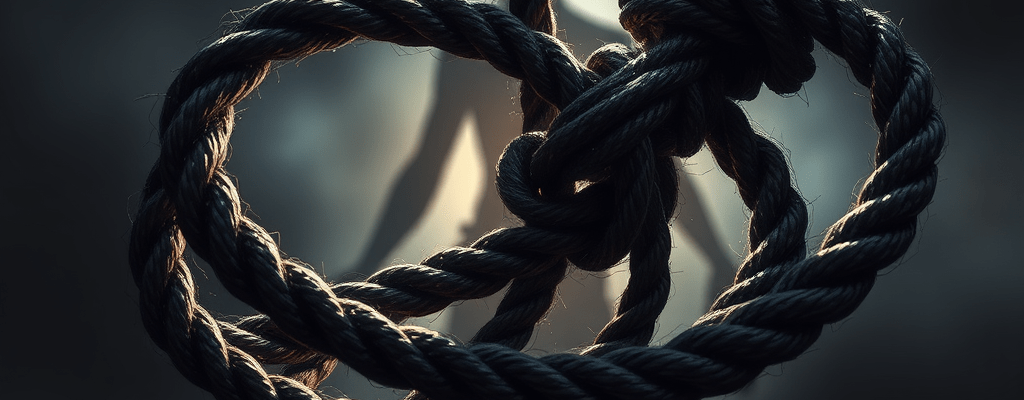
The Sadism of Control: A Closer Look at the Cruelty of Abusers
At the heart of many abusive dynamics lies a disturbing truth—some abusers derive real satisfaction from the suffering they cause. This isn’t just about control. This is about cruelty with intent. About watching someone else’s light dim and feeling powerful because of it.
These individuals don’t simply want to win arguments, get their way, or resolve conflict. They want to dominate, dismantle, and destroy. The tactics they use are cold, calculated, and almost surgical in their emotional impact.
Psychological Sadism: The Pleasure of Watching You Break
Sadism in the psychological sense refers to the gratification a person gets—often unconsciously but sometimes consciously—from inflicting pain, humiliation, or loss on another. It’s not always physical. In fact, emotional and psychological sadism can be far more insidious, because the damage is harder to see, harder to prove, and often easier for outsiders to dismiss.
These abusers often:
- Push you to the edge and then blame you for your reaction.
- Use what you love—your pets, your home, your children, your memories—as tools to torment you.
- Threaten your stability precisely when you are beginning to recover.
- Gaslight and isolate you so thoroughly that you begin to question your own sanity.
- Enjoy the chaos—there’s an eerie calm in their voice as you fall apart, a smug satisfaction in their demeanor as they pretend to be “reasonable.”
This cruelty isn’t accidental. It’s part of the machinery of control.
The Strategic Nature of Sadism
Abusers will often time their cruelties when you’re at your most vulnerable:
- After a bereavement.
- Following a holiday when you’ve had time with loved ones and begun to heal.
- During times of financial stress.
- When you finally begin to speak your truth publicly.
Why? Because your strength threatens their illusion of dominance. If you are healing, speaking out, or reclaiming your narrative, it becomes imperative (to them) that you are brought back into submission. That’s when they strike—with a new lie in court, a claim on your home, or a cruel demand like taking your dog. Something that cuts deep, not just practically but emotionally.
They want you to feel helpless. They want you to question your progress. They want to be the wound that never quite heals.
Cruelty as a Form of Identity Preservation
Many abusers have fragile egos hidden behind dominant exteriors. When a survivor leaves, exposes them, or simply thrives without them, it shatters the image they’ve carefully crafted—for themselves and for others.
So what do they do?
They launch a campaign of cruelty to reassert their importance. If they can’t be loved, they’ll settle for being feared. If they can’t control your heart, they’ll try to control your reality. For them, cruelty is not just a weapon—it’s a performance that reassures them they still matter. That they can still make you bleed, emotionally if not physically.
And when the law gets involved? They don’t stop. They get more creative. More covert. Because, sadly, the legal system can be used as a tool of abuse too.
And Yet, You Survive
Despite this sadism, despite the tactics, you are still here. Speaking. Reflecting. Fighting. Even when you’ve been exhausted to the core, you keep getting back up.
This doesn’t mean the cruelty didn’t affect you. Of course it did. It hurt. It bruised your spirit. It made you question everything.
But it didn’t win.
The abuser wants your despair. They want you to fall silent. They want your tears. When you refuse to give them that—when you keep speaking, keep healing, keep connecting with people who believe you—they lose their grip. Not just over you, but over their illusion of power.
Final Thought:
The greatest act of defiance in the face of sadistic cruelty is not hatred—it’s freedom. It’s waking up without fear. It’s laughing. It’s sharing your story. It’s taking back what was always yours: your voice, your joy, your life.
You are not weak for being hurt. You are powerful for having survived.
 Linda C J Turner | Trauma Therapist & Emotional Healing Specialist