Yes! Scammers often go to great lengths to make their stories seem believable. They may:
- Send stolen or AI-generated photos – They might use pictures of real people (often models, military personnel, or doctors) taken from social media or professional websites.
- Create fake passports, visas, or IDs – These documents might look real at first glance, but they’re often photoshopped or entirely fabricated.
- Provide fake travel itineraries or bank statements – To convince you they’re legitimate, they might send forged documents showing they’re trying to visit you or need financial help.
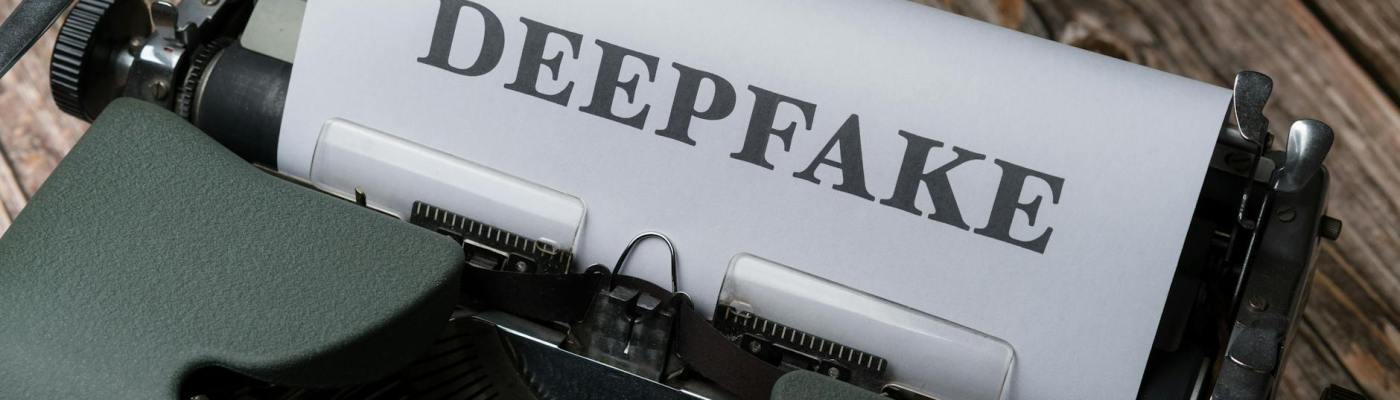
- Use deepfake videos or voice recordings – Some advanced scammers use AI-generated videos or voice messages to make it seem like they’re a real person.
How to Spot Fake Documents and Photos
- Do a reverse image search – Upload their profile pictures to Google Images or TinEye to see if they appear elsewhere under a different name.
- Look for inconsistencies – Does their ID have strange fonts, missing security features, or a mismatched photo?
- Check video and audio carefully – Deepfake videos might have unnatural blinking, lip-syncing issues, or robotic voices.
- Ask detailed questions – If they get defensive or can’t answer simple questions about their supposed location or background, it’s a red flag.
If someone is sending “proof” of their identity without you asking—or if they get upset when you question it—be extra cautious. Scammers count on blind trust, but a little skepticism can save you from heartbreak and financial loss! 🚨
 Linda C J Turner | Trauma Therapist & Emotional Healing Specialist