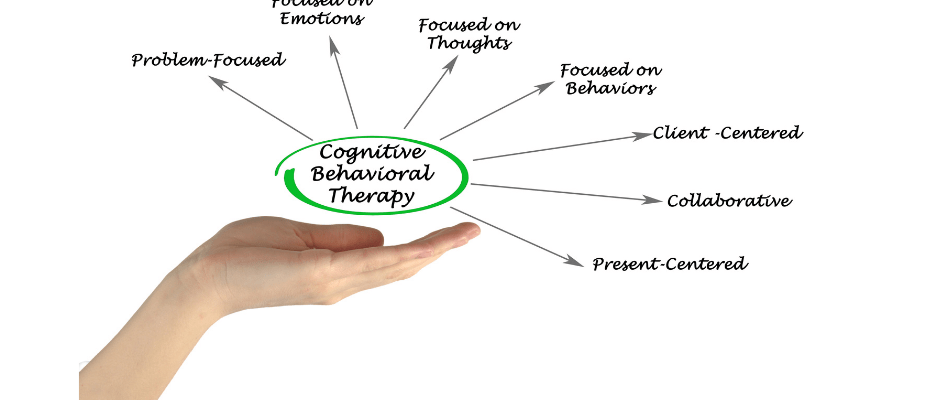
Cognitive Behavioral Therapy (CBT) is highly suitable for treating substance abuse and addiction. It is one of the most widely used therapeutic approaches for addressing the behavioral and emotional aspects of addiction. CBT has been found to be effective in helping individuals not only break free from substance abuse but also develop healthier coping mechanisms to manage triggers, cravings, and the psychological components of addiction.
How CBT Works for Substance Abuse
CBT focuses on the connection between thoughts, feelings, and behaviors. For people struggling with substance abuse, the therapy is designed to identify and change destructive thought patterns that lead to substance use, and to develop healthier ways to cope with stress, emotional pain, or cravings.
Here’s how CBT specifically helps in the treatment of substance abuse:
1. Identifying Triggers
- CBT helps individuals recognize the situations, emotions, or thoughts that trigger their desire to use drugs or alcohol. These triggers might include stress, boredom, social situations, or feelings of inadequacy.
- For example, if someone uses alcohol to cope with social anxiety, CBT can help them become aware of this connection and teach them alternative ways to manage their anxiety without relying on substances.
2. Challenging and Changing Thought Patterns
- A central goal of CBT is to help people identify negative or distorted thoughts that lead to substance use. These thoughts can often involve self-blame, hopelessness, or a belief that substances are the only way to cope with certain feelings or situations.
- In therapy, clients learn to challenge these thoughts and replace them with healthier, more realistic beliefs. For instance, a common thought might be, “I can’t handle my stress without drinking.” CBT would help the individual replace this with, “I have other ways to deal with stress, such as talking to a friend or practicing relaxation techniques.”
3. Developing Coping Skills
- One of the key aspects of CBT is teaching coping mechanisms that individuals can use to manage cravings, stress, and difficult emotions without resorting to substance use.
- These coping skills may include problem-solving techniques, relaxation exercises, mindfulness, or learning to avoid or modify risky situations. CBT also emphasizes skills like assertiveness and self-control, which are useful for resisting peer pressure or other external influences that might encourage substance use.
4. Preventing Relapse
- CBT is very effective in relapse prevention, which is critical in substance abuse recovery. Relapse can be triggered by thoughts, behaviors, or situations, and CBT works to develop strategies to avoid and manage these risks.
- Therapists help clients create a relapse prevention plan that identifies high-risk situations and provides tools for managing them. This might include specific strategies to handle cravings, alternative activities to replace substance use, and steps to take if a relapse occurs.
5. Addressing Underlying Issues
- Often, substance abuse is connected to deeper psychological issues like trauma, anxiety, depression, or unresolved emotional pain. CBT can help address these issues by teaching individuals how to deal with the emotions and thoughts that fuel their substance use.
- For example, someone who uses drugs to numb feelings of guilt or shame might learn, through CBT, to process and address those emotions in healthier ways, reducing the need to self-medicate with substances.
6. Building Emotional Regulation
- People who struggle with addiction often have difficulties managing their emotions, which can lead to impulsive behavior like substance use. CBT teaches emotional regulation, helping individuals understand and manage their emotions in healthier ways.
- By learning how to tolerate distress without relying on substances, clients build resilience and are better equipped to face challenges in their recovery.
Why CBT is Particularly Effective for Substance Abuse
- Structured and Goal-Oriented: CBT is highly structured, and this is especially beneficial for individuals dealing with substance abuse because it provides clear goals and tangible results. It helps individuals take control of their recovery, which is empowering during a time when addiction might make them feel powerless.
- Short-Term Focused with Long-Term Impact: While CBT can be short-term in nature (e.g., 12-16 sessions), the skills learned can be used throughout the individual’s life to prevent relapse and promote long-term recovery.
- Compatible with Other Therapies: CBT works well alongside other treatment methods, such as medication-assisted therapy (for opioid or alcohol addiction), group therapy, and 12-step programs like Alcoholics Anonymous (AA) or Narcotics Anonymous (NA). It provides a comprehensive framework for recovery.
Examples of CBT Techniques Used for Substance Abuse
- Cognitive Restructuring:
- This technique involves identifying and challenging irrational or harmful beliefs that contribute to substance use. The therapist helps the individual replace negative thoughts like “I’m worthless” or “I need alcohol to cope” with more balanced thoughts, like “I have other ways to cope with stress.”
- Behavioral Experiments:
- The therapist may encourage clients to try new, healthier behaviors in real-life situations to see how they feel without using substances. For example, a client might attend a social gathering sober to learn that they can still have a good time without alcohol.
- Mindfulness-Based CBT:
- Mindfulness can be integrated into CBT to help individuals stay present and aware of their thoughts and emotions without reacting impulsively with substance use. This technique is useful in preventing relapse by helping clients observe cravings without giving in to them.
- Exposure Therapy:
- If specific situations trigger cravings (such as going to a bar or seeing certain people), CBT can use exposure techniques to gradually desensitize individuals to these triggers in a controlled way, so they don’t automatically associate them with substance use.
Long-Term Benefits of CBT for Substance Abuse
- Increased Self-Efficacy: CBT empowers individuals to believe that they can manage their cravings and avoid substance use, which is key for long-term sobriety.
- Improved Relationships: By developing healthier communication and coping strategies, clients often experience improved relationships with loved ones, which is critical to maintaining support systems during recovery.
- Emotional Well-Being: Because CBT targets not just substance use but also the underlying emotional issues (like anxiety, depression, or trauma), individuals often experience better emotional regulation and mental health overall.
Conclusion
Cognitive Behavioral Therapy is highly effective for treating substance abuse because it focuses on changing the thought patterns and behaviors that drive addiction. It provides practical, long-lasting coping skills, helps manage cravings, and addresses the emotional and psychological components that fuel substance use. Its structured, goal-oriented approach makes it a powerful tool in promoting long-term recovery and preventing relapse.
Copyright © Linda C J Turner 2023 LindaCJTurner.com All Rights Reserved.
All content on this website, including text, images, graphics, and other material, is protected by copyright law and is the property of Linda C J Turner unless otherwise stated. Unauthorized use or reproduction of the content in any form is prohibited.
 Linda C J Turner | Trauma Therapist & Emotional Healing Specialist