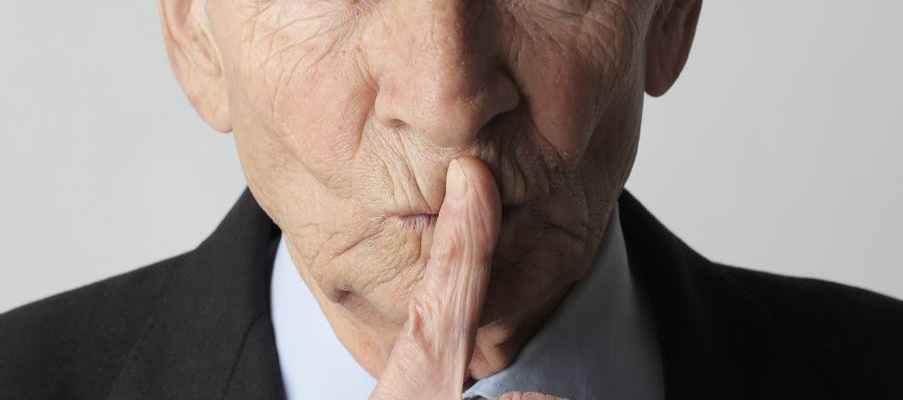
The use of continuous fear messaging as a form of psychological manipulation or torture can have catastrophic effects on an individual’s mental, emotional, and physical health. When a person is subjected to relentless fear-inducing stimuli over an extended period, such as two months, the impact can be profound and lasting. This kind of psychological assault is not only cruel but can also break down an individual’s sense of self, autonomy, and reality. Below is an in-depth exploration of the key effects of continuous fear messages.
1. Psychological Breakdown: The Crumbling of the Mind
Continuous exposure to fear is a form of psychological warfare. The human brain is wired to respond to fear through mechanisms designed for survival, such as the fight-or-flight response. However, when fear is persistent and inescapable, it overwhelms the brain’s capacity to manage stress, leading to a breakdown of normal psychological functioning.
- Anxiety and Paranoia: The individual subjected to continuous fear messages will likely experience extreme anxiety. This state of constant vigilance can evolve into paranoia, where the person starts to perceive threats everywhere, even where none exist. The inability to escape or mitigate these threats creates a feedback loop that intensifies these feelings.
- Loss of Reality: Over time, the victim may lose touch with reality. The boundaries between what is real and what is imagined can blur, leading to a distorted perception of the world. This breakdown in the ability to discern reality from illusion is a hallmark of psychological collapse.
- Helplessness and Despair: The relentless nature of fear messages strips away any sense of control the individual may have over their situation. This perceived lack of control can lead to feelings of helplessness and despair, where the individual sees no possible escape or relief from their torment.
2. Cognitive Impairment: The Erosion of Mental Faculties
Cognitive functions are among the first to suffer under prolonged exposure to fear. The brain, designed to handle short bursts of fear in response to immediate threats, becomes overwhelmed when fear is constant and unyielding.
- Impaired Memory: Chronic fear disrupts the brain’s ability to process and store information effectively. The stress hormones released during fear responses, such as cortisol, can damage the hippocampus, the region of the brain responsible for memory. This can lead to difficulty in recalling recent events, creating a fragmented sense of time and memory.
- Concentration Issues: The brain’s focus is constantly hijacked by fear, making it difficult for the individual to concentrate on anything other than the source of their anxiety. This inability to concentrate can lead to a significant decline in productivity and the ability to perform even simple tasks.
- Decision-Making Difficulties: Rational thinking becomes compromised under continuous fear. The brain’s prefrontal cortex, responsible for decision-making, is impaired by the constant stress, leading to poor judgment and an inability to think critically. This can make the individual more susceptible to suggestion and manipulation, as their cognitive defenses are weakened.
3. Emotional Exhaustion: The Numbing of the Soul
Continuous fear is emotionally draining. The relentless bombardment of fear messages depletes the individual’s emotional resources, leading to a state of exhaustion where the person can no longer respond effectively to their circumstances.
- Blunted Emotional Responses: As a defense mechanism, the brain may begin to blunt emotional responses to protect itself from the constant barrage of fear. This can lead to emotional numbness, where the individual becomes detached from their feelings, unable to experience joy, sadness, or even fear in the same way.
- Apathy and Indifference: Emotional exhaustion can give rise to apathy, where the individual loses interest in life, relationships, and activities they once enjoyed. This indifference can make them more pliable and easier to control, as they no longer have the emotional energy to resist or fight back.
- Increased Vulnerability: Emotionally exhausted individuals are more vulnerable to manipulation and control. Their depleted emotional state leaves them with little resilience, making them easy targets for further psychological coercion or abuse.
4. Physiological Effects: The Body Under Siege
The mind and body are inextricably linked, and the effects of continuous fear on the body can be just as devastating as its impact on the mind. Chronic fear triggers a prolonged stress response, which can lead to a host of physical health problems.
- Chronic Stress and Cortisol: The body’s response to fear includes the release of cortisol, a hormone that prepares the body for immediate action. While useful in short-term situations, prolonged cortisol exposure can lead to serious health issues, including weakened immune function, making the body more susceptible to illness and infection.
- Cardiovascular Problems: Continuous stress can also lead to hypertension (high blood pressure) and an increased risk of heart disease. The constant strain on the cardiovascular system can result in long-term damage, increasing the risk of heart attacks and strokes.
- Digestive Issues: Chronic fear and stress can disrupt the digestive system, leading to problems such as ulcers, irritable bowel syndrome (IBS), and chronic indigestion. The body, in a constant state of alert, diverts resources away from non-essential functions like digestion, leading to these gastrointestinal issues.
- Sleep Disorders: Fear disrupts sleep patterns, leading to insomnia and other sleep disorders. The lack of restorative sleep exacerbates the psychological and physical toll of continuous fear, creating a vicious cycle of exhaustion and heightened vulnerability.
5. Learned Helplessness: The Death of Hope
One of the most insidious effects of continuous fear is the development of learned helplessness. This psychological condition, first identified by psychologists Martin Seligman and Steven Maier, occurs when an individual is repeatedly subjected to an aversive stimulus that they cannot escape or avoid.
- The Mechanism of Learned Helplessness: When a person learns that they have no control over their environment, they begin to believe that their actions are futile. This belief can become so ingrained that they stop trying to change their situation, even when opportunities for escape or improvement are available. In the context of continuous fear, the individual may come to see their suffering as inevitable and beyond their control.
- Behavioral Consequences: The development of learned helplessness leads to passivity. The individual becomes resigned to their fate, no longer attempting to resist or escape their torment. This passivity makes them easier to control and manipulate, as they no longer believe that resistance is possible or worthwhile.
- Long-Term Psychological Damage: Learned helplessness can have lasting effects on an individual’s mental health, leading to chronic depression, anxiety, and a pervasive sense of hopelessness. The belief that one is powerless can persist long after the immediate threat has passed, affecting all areas of life, including relationships, work, and self-perception.
Conclusion: The Devastating Legacy of Continuous Fear
The continuous use of fear messages as a form of psychological manipulation or torture is a deeply destructive practice with severe consequences. The combined effects of psychological breakdown, cognitive impairment, emotional exhaustion, physiological damage, and learned helplessness can reduce an individual to a shell of their former self. The damage inflicted by such tactics can be long-lasting, leaving scars that may never fully heal.
Understanding these effects is crucial not only for recognizing the signs of psychological abuse but also for developing strategies to support and rehabilitate those who have been subjected to such treatment. It is a reminder of the profound resilience of the human spirit, but also of the fragility of the mind and body when subjected to relentless, inescapable fear.
Copyright © Linda C J Turner 2023 LindaCJTurner.com All Rights Reserved.
All content on this website, including text, images, graphics, and other material, is protected by copyright law and is the property of Linda C J Turner unless otherwise stated. Unauthorized use or reproduction of the content in any form is prohibited.
 Linda C J Turner | Trauma Therapist & Emotional Healing Specialist