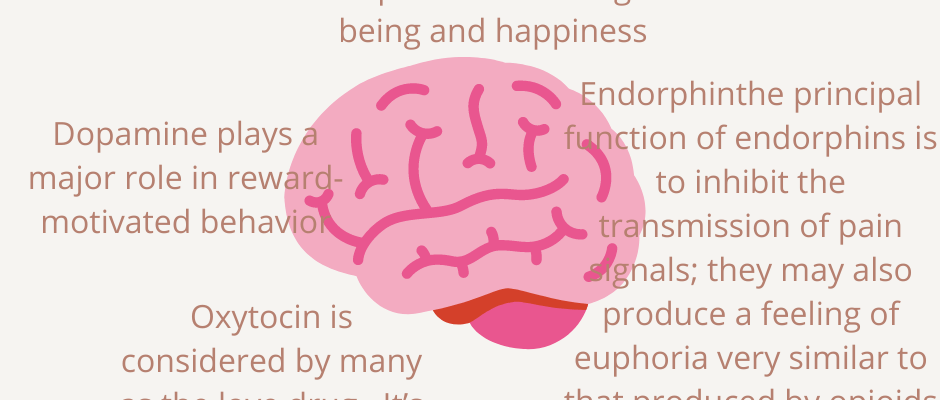
Research in psychology suggests that certain behaviors, including exerting power or control over others, can indeed trigger neurological responses that reinforce those behaviors. Here are some key points:
- Dopamine Response: Dopamine is a neurotransmitter associated with pleasure and reward. Studies have shown that activities that involve exerting control or power over others can stimulate dopamine release in the brain, leading to feelings of pleasure or satisfaction. This can create a reinforcing cycle where the individual seeks out similar behaviors to experience that reward again.
- Behavioral Conditioning: Over time, individuals who derive satisfaction from abusive behaviors may become conditioned to seek out those behaviors as a means of achieving emotional gratification. This can contribute to the persistence and escalation of abusive patterns.
- Psychological Justification: Abusers may develop internal narratives or justifications for their behavior, which can further reinforce their actions. They may convince themselves that their actions are justified, necessary, or even beneficial for maintaining control or asserting dominance.
Sadism and Abusive Tendencies:
Sadism refers to deriving pleasure from causing others pain, discomfort, or distress. While not all individuals who engage in abusive behaviors are sadistic, sadism represents an extreme form of enjoyment derived from others’ suffering. Here are some insights into sadistic tendencies:
- Psychological Profile: Sadistic individuals may exhibit traits such as enjoyment of cruelty, indifference to others’ suffering, and a lack of empathy or remorse. They may actively seek opportunities to inflict harm or observe the effects of their actions on others.
- Power Dynamics: Sadistic behaviors often involve a desire for power and control over others, where the infliction of harm serves to assert dominance or superiority. This can manifest in various forms of abuse, including physical, emotional, or psychological.
- Clinical Studies and Observations: Research in clinical psychology and psychiatry has explored sadistic personality traits and their implications for behavior. These studies often emphasize the complex interplay of biological, psychological, and social factors in shaping sadistic tendencies.
Further Reading:
For more detailed information and empirical studies on these topics, I recommend consulting academic journals and books in psychology and psychiatry. Topics such as behavioral conditioning, neurobiology of reward systems, personality disorders (including sadism), and psychological theories of abuse can provide deeper insights into the underlying mechanisms and behaviors associated with psychological rewards and sadistic tendencies.
Copyright © Linda C J Turner 2023 LindaCJTurner.com All Rights Reserved.
All content on this website, including text, images, graphics, and other material, is protected by copyright law and is the property of Linda C J Turner unless otherwise stated. Unauthorized use or reproduction of the content in any form is prohibited.
 Linda C J Turner | Trauma Therapist & Emotional Healing Specialist