Trauma, whether physical, emotional, or psychological, can leave deep and lasting scars on an individual. The journey to healing is often long and arduous, requiring a combination of therapeutic interventions, support systems, and personal resilience. Among the myriad strategies for recovery, rest and relaxation play a pivotal role. These elements, often undervalued in our fast-paced society, are crucial for the brain and body to process and heal from traumatic experiences.
The Neuroscience of Trauma and Rest
Trauma impacts the brain in significant ways, particularly in areas like the amygdala, hippocampus, and prefrontal cortex. The amygdala, responsible for emotional responses, often becomes hyperactive, leading to heightened states of fear and anxiety. The hippocampus, which processes memories, can be impaired, making it difficult to distinguish between past and present dangers. The prefrontal cortex, which manages executive functions like decision-making and impulse control, often shows decreased activity, leading to difficulties in regulating emotions and behaviors.
Rest and relaxation facilitate neuroplasticity—the brain’s ability to reorganize and form new neural connections. During periods of rest, the brain processes and integrates traumatic memories, reducing their emotional charge. Sleep, in particular, is essential as it consolidates memories and emotions, allowing for better emotional regulation and cognitive functioning.
The Physical Benefits of Rest and Relaxation
Trauma doesn’t just affect the mind; it has profound impacts on the body as well. Chronic stress from unresolved trauma can lead to a host of physical ailments, including cardiovascular problems, weakened immune response, and digestive issues. Rest and relaxation help counteract these effects by:
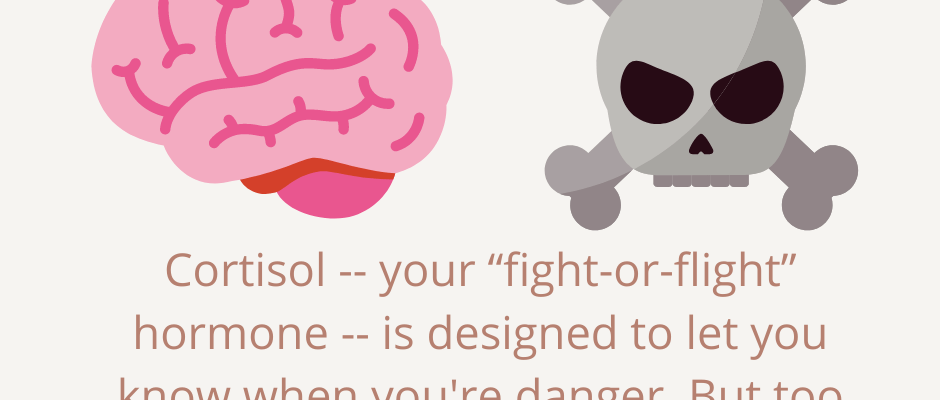
- Reducing Cortisol Levels: Chronic stress increases the production of cortisol, the body’s primary stress hormone. Elevated cortisol levels can lead to various health issues, including hypertension and suppressed immune function. Relaxation techniques like deep breathing, meditation, and yoga can lower cortisol levels, promoting better physical health.
- Improving Sleep Quality: Trauma survivors often struggle with sleep disturbances. Adequate rest helps repair the body, regulate hormones, and restore energy levels. Practices such as establishing a regular sleep schedule, creating a calming bedtime routine, and avoiding stimulants can enhance sleep quality.
- Enhancing Heart Health: Stress and trauma can negatively impact cardiovascular health. Relaxation exercises such as progressive muscle relaxation and tai chi have been shown to improve heart rate variability, lower blood pressure, and promote overall cardiovascular health.
Emotional and Psychological Benefits
Rest and relaxation also offer significant emotional and psychological benefits, crucial for trauma recovery. They provide a space for individuals to reconnect with themselves, process their emotions, and rebuild their sense of safety and control.
- Regulating Emotions: Trauma can leave individuals feeling overwhelmed and emotionally dysregulated. Relaxation techniques such as mindfulness meditation can help individuals observe their thoughts and feelings without judgment, fostering greater emotional regulation and resilience.
- Rebuilding a Sense of Safety: Trauma often shatters an individual’s sense of safety and trust in the world. Creating a consistent routine that includes periods of rest and relaxation can help re-establish a sense of predictability and security.
- Fostering Self-Compassion: Trauma survivors frequently struggle with self-blame and guilt. Engaging in restful and relaxing activities can be a form of self-compassion, reminding individuals that they deserve care and kindness.
Practical Strategies for Incorporating Rest and Relaxation
Integrating rest and relaxation into daily life requires intentionality and practice. Here are some practical strategies:
- Mindfulness and Meditation: Regular mindfulness practice can help individuals stay present and reduce the impact of intrusive thoughts related to trauma. Apps and online resources can provide guided meditations tailored to different needs and preferences.
- Physical Relaxation Techniques: Engaging in activities like yoga, tai chi, or gentle stretching can relax the body and mind. These practices combine movement with breath control, promoting a state of calm and relaxation.
- Nature and Outdoor Activities: Spending time in nature can be incredibly restorative. Activities like walking, gardening, or simply sitting outside can reduce stress and improve mood.
- Creative Expression: Art, music, writing, and other forms of creative expression can provide a therapeutic outlet for processing emotions and experiences.
- Establishing Routine: Creating a daily routine that includes time for rest and relaxation can help normalize these practices and make them a regular part of life. This might involve setting aside specific times for breaks, naps, or leisure activities.
Conclusion
Rest and relaxation are not luxuries but essential components of trauma recovery. They provide the necessary space for the brain and body to heal, process, and integrate traumatic experiences. By prioritizing rest and incorporating relaxation practices into daily life, trauma survivors can build a foundation for long-term health and well-being. In a world that often glorifies constant activity and productivity, recognizing the value of rest and relaxation is a powerful step towards healing and resilience.
Copyright © Linda C J Turner 2023 LindaCJTurner.com All Rights Reserved.
All content on this website, including text, images, graphics, and other material, is protected by copyright law and is the property of Linda C J Turner unless otherwise stated. Unauthorized use or reproduction of the content in any form is prohibited.
 Linda C J Turner | Trauma Therapist & Emotional Healing Specialist