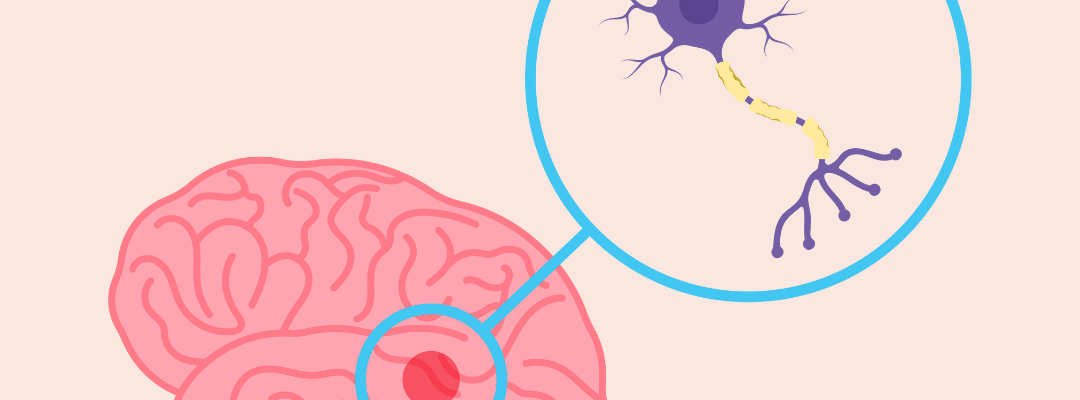
Let’s delve deeper into how sugar addiction can impact mental health:
- Neurotransmitter Imbalance: Sugar consumption affects neurotransmitters, the chemical messengers in the brain that regulate mood. When you consume sugar, it triggers the release of feel-good chemicals like serotonin and dopamine. This initial surge in neurotransmitters can create a temporary mood lift, leading to feelings of pleasure and reward. However, the subsequent crash in blood sugar levels can leave you feeling irritable, fatigued, and anxious.
- Inflammation and Oxidative Stress: Diets high in sugar and processed foods have been linked to inflammation and oxidative stress in the body. Chronic inflammation is believed to play a role in the development of mood disorders like depression and anxiety. Additionally, oxidative stress can damage brain cells and interfere with neurotransmitter function, further exacerbating mental health issues.
- Hormonal Imbalance: Excessive sugar consumption can disrupt hormone levels in the body, including cortisol, the stress hormone. Chronically elevated cortisol levels have been associated with anxiety, depression, and other mood disorders. Sugar also affects insulin levels, which can influence hormone regulation and contribute to mood swings and irritability.
- Gut-Brain Connection: Emerging research suggests a strong connection between the gut and the brain, known as the gut-brain axis. Diets high in sugar can disrupt the balance of gut bacteria, leading to dysbiosis, inflammation, and impaired gut function. This, in turn, may contribute to mood disorders and cognitive dysfunction through the gut-brain axis.
- Addictive Behavior: Sugar addiction shares similarities with substance addiction in terms of brain chemistry and behavior. Like drugs of abuse, sugar can trigger cravings and withdrawal symptoms when consumption is reduced or eliminated. This cycle of addiction can lead to psychological dependence, making it difficult to break free from unhealthy eating habits and contributing to mental health issues.
- Nutritional Deficiencies: Diets high in sugar often lack essential nutrients that are crucial for brain health and function. For example, deficiencies in omega-3 fatty acids, vitamins B6 and B12, and magnesium have been linked to mood disorders and cognitive decline. Consuming a diet rich in whole foods provides the necessary nutrients to support mental well-being.
- Self-Esteem and Body Image: For some individuals, sugar addiction can also impact self-esteem and body image, especially if it leads to weight gain or other physical changes. Negative body image and low self-esteem are risk factors for depression and anxiety, further highlighting the complex relationship between sugar consumption and mental health.
Overall, reducing sugar intake and adopting a balanced diet consisting of whole foods, lean proteins, healthy fats, and plenty of fruits and vegetables can help support mental well-being. Additionally, practicing stress management techniques, getting regular exercise, and seeking support from mental health professionals can also play a crucial role in improving mood and overall quality of life.
Copyright © Linda C J Turner 2023 LindaCJTurner.com All Rights Reserved.
All content on this website, including text, images, graphics, and other material, is protected by copyright law and is the property of Linda C J Turner unless otherwise stated. Unauthorized use or reproduction of the content in any form is prohibited.
 Linda C J Turner | Trauma Therapist & Emotional Healing Specialist