Sugar addiction is a compelling and increasingly recognized issue in the realm of health and wellness. It involves an intense craving for sugary foods and beverages, often leading to overconsumption and various negative health consequences. Here’s an in-depth look at sugar addiction, its effects, causes, and strategies for overcoming it.
Understanding Sugar Addiction
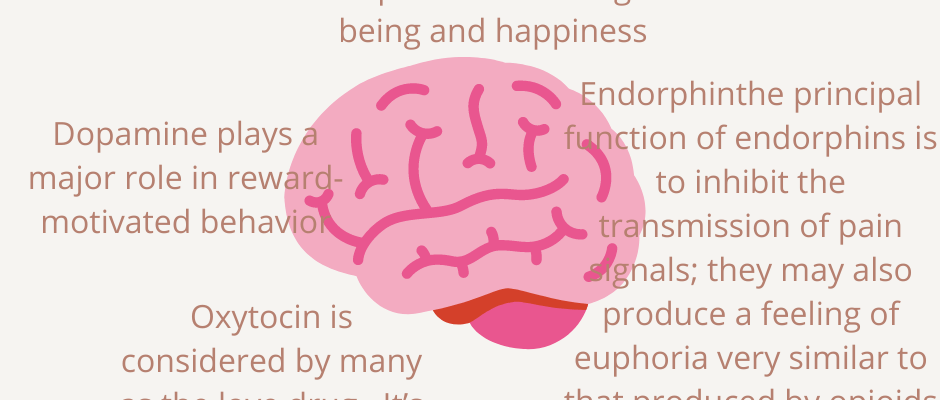
1. What Is Sugar Addiction? Sugar addiction is characterized by an overwhelming desire for sugary foods and an inability to control sugar intake despite knowing the adverse effects. It shares many similarities with other forms of addiction, including the release of dopamine and other feel-good chemicals in the brain, which reinforce the addictive behavior.
2. Signs and Symptoms
- Craving sweets even when not hungry.
- Feeling a need to eat more sugar to satisfy the craving.
- Eating sugary foods in larger amounts or over a longer period than intended.
- Feeling sluggish or tired after the initial sugar high wears off.
- Experiencing mood swings or irritability when not consuming sugar.
Causes of Sugar Addiction
1. Biological Factors
- Brain Chemistry: Sugar triggers the release of dopamine, a neurotransmitter associated with pleasure and reward. This reaction can create a cycle of cravings and consumption similar to that seen in drug addiction.
- Hormonal Imbalances: Fluctuations in hormones such as insulin can lead to increased cravings for sugary foods.
2. Psychological Factors
- Emotional Eating: Many people turn to sugary foods as a way to cope with stress, anxiety, depression, or boredom.
- Learned Behaviors: Habitual consumption of sugary foods, often established in childhood, can persist into adulthood.
3. Environmental Factors
- Availability: The widespread availability and marketing of sugary foods make them hard to avoid.
- Social Influences: Social gatherings and cultural practices often involve sugary foods, reinforcing their consumption.
Health Impacts of Sugar Addiction
1. Physical Health
- Weight Gain and Obesity: Excessive sugar consumption contributes to increased calorie intake and fat storage.
- Diabetes: High sugar intake can lead to insulin resistance, increasing the risk of type 2 diabetes.
- Heart Disease: Sugar has been linked to high blood pressure, inflammation, and other factors that increase heart disease risk.
- Dental Problems: Sugar is a major cause of tooth decay and cavities.
2. Mental Health
- Mood Swings: The spikes and crashes in blood sugar levels can lead to irritability and mood swings.
- Cognitive Function: High sugar intake has been associated with impaired memory and cognitive function.
Strategies for Overcoming Sugar Addiction
1. Awareness and Education Understanding the impacts of sugar on health can be a strong motivator for change. Reading labels and becoming aware of hidden sugars in foods is essential.
2. Gradual Reduction
- Slowly Cut Back: Gradually reducing sugar intake can help mitigate withdrawal symptoms and make the process more manageable.
- Find Alternatives: Replace sugary snacks with healthier options like fruits, nuts, or whole grains.
3. Behavioral Strategies
- Plan Meals: Planning meals and snacks can help avoid the temptation of sugary foods.
- Mindful Eating: Paying attention to what and why you’re eating can help reduce emotional eating.
4. Support Systems
- Professional Help: Nutritionists, dietitians, and therapists can provide personalized strategies and support.
- Support Groups: Joining groups focused on reducing sugar intake can provide motivation and accountability.
5. Lifestyle Changes
- Exercise: Regular physical activity can help regulate blood sugar levels and reduce cravings.
- Sleep: Ensuring adequate sleep can help balance hormones that regulate hunger and cravings.
- Stress Management: Techniques like meditation, yoga, and deep breathing can reduce stress-related cravings.
Personal Stories and Examples
Jane’s Transformation: Jane, a 40-year-old teacher, struggled with sugar addiction for years. She found herself constantly reaching for candy bars and sugary drinks to get through her busy days. After experiencing weight gain and fatigue, Jane decided to seek help. With the guidance of a nutritionist, she gradually reduced her sugar intake, replacing sugary snacks with healthier options. She also started practicing yoga to manage stress. Over time, Jane noticed a significant improvement in her energy levels, mood, and overall health.
Conclusion
Sugar addiction is a multifaceted issue that can significantly impact physical and mental health. Understanding the causes and consequences of sugar addiction is the first step toward overcoming it. By implementing gradual reductions, adopting healthier eating habits, seeking support, and making lifestyle changes, individuals can break free from the grip of sugar addiction and enjoy a healthier, more balanced life.
Copyright © Linda C J Turner 2023 LindaCJTurner.com All Rights Reserved.
All content on this website, including text, images, graphics, and other material, is protected by copyright law and is the property of Linda C J Turner unless otherwise stated. Unauthorized use or reproduction of the content in any form is prohibited.
 Linda C J Turner | Trauma Therapist & Emotional Healing Specialist