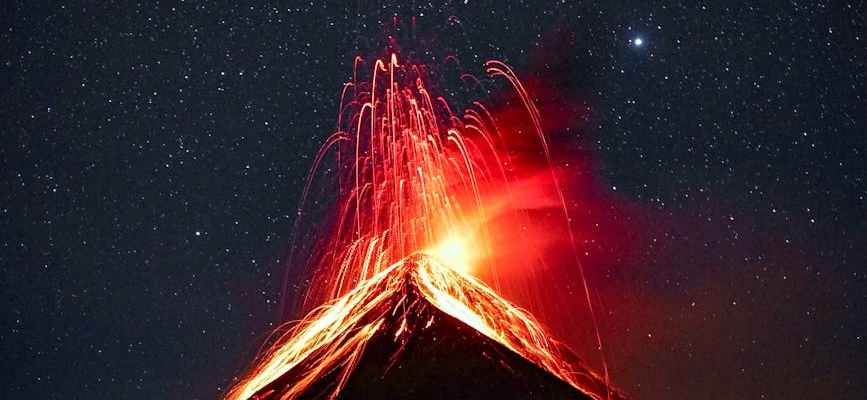
Volcanic eruptions can have various effects on human health, depending on factors such as the type and intensity of the eruption, prevailing wind patterns, and proximity to the volcanic activity. Here are some ways in which volcanoes can impact health:
Air Quality
- Ash and Particulate Matter: Volcanic ash and other airborne particles released during eruptions can pose respiratory hazards, particularly for individuals with pre-existing respiratory conditions such as asthma or chronic obstructive pulmonary disease (COPD). Inhaling fine particles can irritate the airways and exacerbate respiratory symptoms.
- Gas Emissions: Volcanic eruptions release gases such as sulfur dioxide, carbon dioxide, hydrogen sulfide, and hydrochloric acid into the atmosphere. Exposure to these gases can cause respiratory irritation, coughing, and difficulty breathing, especially in areas downwind of the volcano.
Water Quality
- Acid Rain: Volcanic gases can combine with atmospheric moisture to form acid rain, which can contaminate water sources and affect water quality. Acidic water can harm aquatic ecosystems and impact drinking water supplies, posing health risks to both humans and wildlife.
- Contamination: Volcanic eruptions can lead to the release of toxic substances such as heavy metals and volcanic minerals into water bodies, contaminating surface water and groundwater. Consuming contaminated water can cause gastrointestinal issues and long-term health problems.
Mental Health
- Psychological Impact: Volcanic eruptions can cause significant psychological distress and anxiety among affected populations, particularly those who experience displacement, loss of property, or disruption of their daily lives. The uncertainty and fear associated with volcanic activity can contribute to stress, depression, and post-traumatic stress disorder (PTSD).
Other Health Risks
- Trauma and Injuries: In addition to respiratory and environmental health impacts, volcanic eruptions can result in physical injuries caused by falling debris, volcanic bombs, or lahars (mudflows) generated by melted snow and ice. Traumatic injuries may require medical attention and can contribute to long-term health complications.
- Vector-borne Diseases: Volcanic eruptions can create breeding grounds for disease vectors such as mosquitoes and flies in stagnant water pools formed by lava flows or ash deposits. Increased vector populations may elevate the risk of vector-borne diseases such as malaria, dengue fever, and Zika virus.
Conclusion
While volcanic eruptions can have significant health implications for nearby communities and ecosystems, the extent of these impacts depends on various factors such as the nature of the eruption, local geography, and mitigation measures in place. It’s crucial for authorities to monitor volcanic activity closely, provide timely warnings and evacuation instructions, and implement public health interventions to mitigate the health risks associated with volcanic eruptions. Additionally, individuals living in volcanic areas should stay informed, follow recommended safety precautions, and seek medical attention if experiencing symptoms related to volcanic ash exposure or respiratory distress.
 Linda C J Turner | Trauma Therapist & Emotional Healing Specialist