1. How To Spot Shame-Based Defensive Aggression Early

These signs show up long before big explosions. 🚩 Early Warning Signs 1. Overreaction to mild feedbackSmall observations → big emotional reactions→ disproportionate defensiveness→ irritation, sarcasm, shutdown, or subtle hostility 2. Zero curiosity about your experienceThey don’t ask: “What made you feel that way?” They say: “That’s ridiculous.” 3. Fragile self-imageThey: Underneath is identity fragility. 4. Blame reflexProblems… Read More 1. How To Spot Shame-Based Defensive Aggression Early

Shame-Based Defensive Aggression

(Why some people attack when exposed) This is what happens when deep shame is activated, and the person does not have the emotional capacity to tolerate it. Instead of processing, reflecting, or repairing —they flip into attack mode. The Core Mechanism Shame feels like existential threat to certain nervous systems. Not: “I made a mistake.” But: “I am a mistake.” So the… Read More Shame-Based Defensive Aggression

The Psychology of Dating Predators

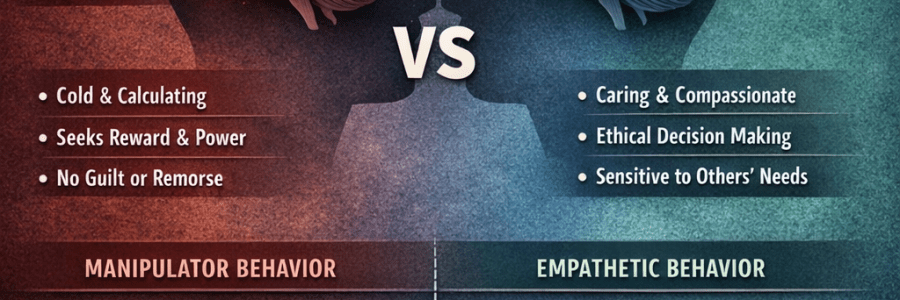
Why They Seem So Charming — and Why They’re So Dangerous Dating predators rarely look predatory. They don’t appear cruel, threatening, or obvious.They often appear charming, vulnerable, attentive, fascinating, or emotionally intense. Which is precisely why they succeed. What Is a Dating Predator? A dating predator is someone who seeks emotional, psychological, financial, or sexual benefit from… Read More The Psychology of Dating Predators

Emotional Deadness vs Covert Emotional Neglect

(Internal state → Relational experience) 1. Core state Emotional deadnessA chronically under-activated emotional system. Feelings are dulled, muted, or inaccessible. Covert emotional neglectYour emotional needs are consistently unmet — not through cruelty, but through absence. 2. What it looks like day to day Emotional deadness Covert emotional neglect 3. Nervous system pattern Emotional deadness Covert emotional… Read More Emotional Deadness vs Covert Emotional Neglect

Miserable

Waking up safe, regulated, dog beside you — that’s your nervous system finally exhaling. That detail matters more than it looks. 🐾What you’re noticing now isn’t revisionist history. It’s pattern recognition coming online once your brain is no longer in survival mode. 1. Chronic emotional flatness = nervous system shutdown From a neuroscience perspective, your ex sounds… Read More Miserable

How to Pace Connection Safely (When Kindness Feels Big)

When kindness feels intense, the instinct is often to lean in quickly — to attach, explain, disclose, or merge. That urge makes sense after deprivation. But pacing is what turns safety into something sustainable. Pacing does not mean pulling away.It means letting connection unfold at a speed your nervous system can actually integrate. Here’s how… Read More How to Pace Connection Safely (When Kindness Feels Big)

Why Kindness Feels Intense After Neglect

If kindness feels overwhelming after neglect, there is nothing wrong with you. Long-term emotional neglect or abuse changes the nervous system. You adapt by lowering expectations, minimising needs, and staying alert for withdrawal or punishment. Your body learns that connection is fragile and conditional. So when someone offers genuine care — listening, warmth, follow-through, softness… Read More Why Kindness Feels Intense After Neglect

“A Fresh Start” Does Not Stop an Abuser — It Just Resets the Stage

When an abuser suggests “making a fresh start” — moving house, changing country, starting again — it is often presented as hope, healing, or renewal. But a fresh location does not erase abusive behaviour. Abuse is not caused by the place.It is caused by the person. Why “Fresh Starts” Are So Appealing To outsiders — and often to survivors… Read More “A Fresh Start” Does Not Stop an Abuser — It Just Resets the Stage

What Safe Disengagement Actually Looks Like

Safe disengagement means leaving or detaching in a way that does not provoke escalation. It is quiet, strategic, and protective — not dramatic or confrontational. 🧭 First: Shift the Goal The goal is safety, not clarity.You do not need: Seeking those often increases danger. 🔇 1. Reduce Emotional Access (Before Physical Distance) This is sometimes called “grey rock” — becoming uninteresting… Read More What Safe Disengagement Actually Looks Like