Why see a therapist?

Recovery is a journey that requires courage, dedication, and support. While friends and family can offer love and encouragement, a therapist provides the professional tools and insights that can make a real difference in your healing process. They act as a partner in your journey, helping you uncover hidden strengths, break free from limiting beliefs, and build a life that aligns with your true self.

Engaging with a therapist can be a powerful step toward reclaiming your life, healing from past wounds, and building a future that feels authentic and fulfilling. You’re not just surviving—you’re learning to thrive.… Read More Why see a therapist?

Balancing Empathy

Understanding the three types of empathy and their corresponding neural regions helps us become more self-aware in how we connect with others. The key to healthy relationships lies in the balance between cognitive, emotional, and compassionate empathy. People who only lean on cognitive empathy may be effective in some ways, but they risk creating shallow or manipulative relationships. Emotional and compassionate empathy bring depth, connection, and warmth, which are essential for genuine, human interaction.… Read More Balancing Empathy

Creating a Safe Space

Returning to a family that loves them after escaping such a traumatic situation is a powerful moment for any survivor. It represents a return to safety, love, and belonging—things that were denied to them for so long. But the road to recovery is often long, and it requires a combination of family support, professional help, and personal resilience. By providing a stable, loving environment, the family can play a critical role in helping the person rediscover their identity, process their trauma, and rebuild their life on their terms.… Read More Creating a Safe Space

When the Therapist Needs a Therapist

Therapists: the emotional sherpas of modern society, helping us navigate the mountains of anxiety, valleys of existential dread, and wild rivers of unresolved childhood trauma. They sit in their chairs (probably ergonomic, let’s be real), nodding sagely, untangling our minds, offering sage wisdom like, “And how does that make you feel?” But what happens when they need… Read More When the Therapist Needs a Therapist

How CBT Works for Substance Abuse

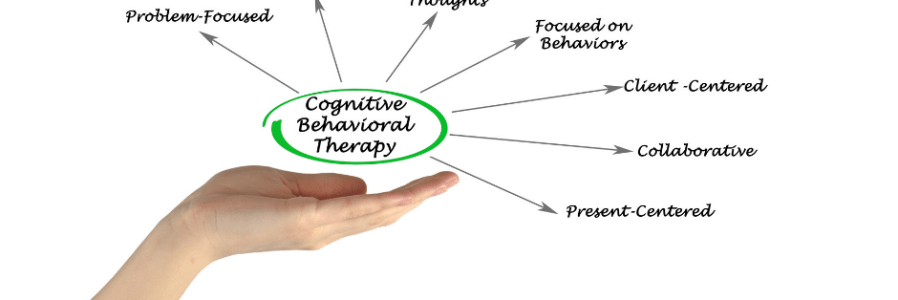
Cognitive Behavioral Therapy (CBT) is highly suitable for treating substance abuse and addiction. It is one of the most widely used therapeutic approaches for addressing the behavioral and emotional aspects of addiction. CBT has been found to be effective in helping individuals not only break free from substance abuse but also develop healthier coping mechanisms to manage triggers, cravings, and the psychological components of addiction.… Read More How CBT Works for Substance Abuse

Lack of Emotional Maturity

Blaming parents for one’s behavior is a complex issue rooted in a mix of psychological defense mechanisms, developmental patterns, and sometimes real trauma. However, healing and personal growth begin when individuals stop blaming their parents and start taking responsibility for their actions. Recognizing that while their upbringing might have set certain challenges in motion, they are now the ones steering the ship is key to moving forward with agency, autonomy, and self-compassion.… Read More Lack of Emotional Maturity

The Toxic Enabler

Mindful of Re-Traumatization: Some well-meaning people may think that by repeatedly confronting a person with their past mistakes or traumas, they are encouraging them to change. However, this can lead to re-traumatization. Reliving trauma over and over without therapeutic support can intensify feelings of helplessness and despair, pushing the person closer to relapse or even suicide. Instead, focus should be on healing and moving forward, rather than rehashing painful memories.… Read More The Toxic Enabler

Theory of multiple intelligences

Howard Gardner’s theory shows us that intelligence is broad and diverse. While academic intelligence is important, it represents only a small fraction of human potential. People can be brilliant in many ways—whether it’s through emotional sensitivity, creative problem-solving, or the ability to connect with others. Recognizing and valuing these different intelligences allows us to see the full scope of what it means to be “intelligent” and to appreciate the diverse talents that each person brings to the table.… Read More Theory of multiple intelligences