Some people protect power, not truth

1. The Brain Prefers Familiar Power Over Disruptive Truth Normalcy Bias (Neuroscience) The human brain is designed to preserve stability. It feels easier to doubt the victim than to accept: “Someone we trust is capable of cruelty.” 2. Just-World Fallacy: “Bad Things Happen for a Reason” Psychological Self-Protection People want to believe the world is fair because… Read More Some people protect power, not truth

How to Spot Emotional Freeloading Early

Early emotional freeloading is subtle because it often looks like “need,” “vulnerability,” or “closeness.” The key is pattern, not moments. Early Warning Signs (Usually Appear Together) The Body Test (Very Accurate) Ask yourself after interacting: Your nervous system detects imbalance before your mind names it. Early rule:Healthy people self-regulate and accept support.Emotional freeloaders outsource regulation. 2. How Courts and Abuse… Read More How to Spot Emotional Freeloading Early

Why Kind People Feel Guilt More Intensely

1. Empathy Turns Other People’s Emotions Into Your Responsibility Kind people have highly active empathy networks (including the anterior insula and anterior cingulate cortex).This means you don’t just understand how someone feels — you feel it with them. So when someone is upset: This makes kind people far more likely to ask, “What did I do?” even when the answer is nothing. 2. You Were… Read More Why Kind People Feel Guilt More Intensely

How to Disengage Without Guilt

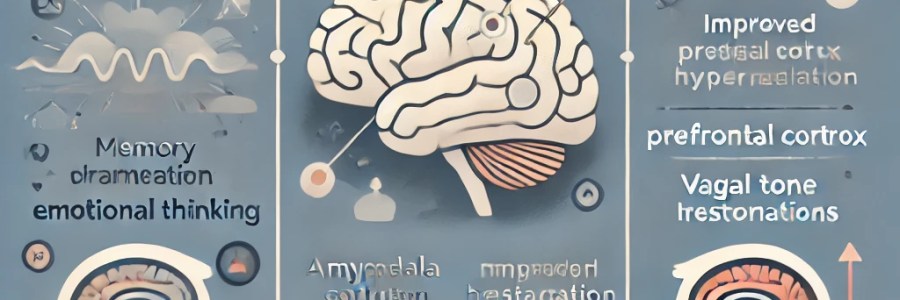
1. Reframe What You’re Doing (This Is Key) Guilt comes from a false belief: “I’m abandoning someone.”The truth is: you’re stopping unpaid emotional labour. In healthy relationships, care is reciprocal.When it isn’t, stepping back is self-protection, not cruelty. Neuroscience note: Guilt is often a conditioned response driven by the amygdala (threat/shame). When you reframe the story, the prefrontal cortex regains… Read More How to Disengage Without Guilt

Abuse and the Holidays: Why Vigilance Matters

Abuse doesn’t take a holiday — in fact, it often intensifies during holidays like Christmas or birthdays. Many victims think that leaving home, going on a trip, or being away from daily stress might protect them, but abuse thrives in isolation. Abusers exploit distance from friends, family, and familiar environments to gain control. After 32 Christmases of living… Read More Abuse and the Holidays: Why Vigilance Matters

Abuse doesn’t take a holiday

Abuse doesn’t take a holiday — in fact, it often intensifies during holidays like Christmas or birthdays. Many victims think that leaving home, going on a trip, or being away from daily stress might protect them, but abuse thrives in isolation. Abusers exploit distance from friends, family, and familiar environments to gain control. After 32 Christmases of living… Read More Abuse doesn’t take a holiday

Violence and Abuse Often Escalate at Christmas — Stay Vigilant

People don’t like to talk about it, but it’s the truth:violence and abuse often escalate during the holiday season. Stress, alcohol, financial pressure, entitlement, loss of routine, family gatherings — all of these can inflame an abuser’s behaviour. And many abusers deliberately “up their game” at Christmas to cause maximum emotional impact. After 32 Christmases of abuse, I… Read More Violence and Abuse Often Escalate at Christmas — Stay Vigilant

“Strategic Vulnerability”

When someone constantly complains they are sick, old, tired, struggling, vulnerable…and then suddenly they’re off on holiday alone, full of energy, that behaviour is not random. It’s a pattern — and it signals something very specific. Let’s break it down clearly. 🚨 1. This Is a Manipulation Pattern Called “Strategic Vulnerability” Predatory or opportunistic people often perform weakness when they want something… Read More “Strategic Vulnerability”

How the Sunk Cost Trap Operates in Predatory Relationships

Predatory people intentionally front-load the relationship so you invest early, and they invest little.This creates psychological pressure that traps you later. Here’s how it usually works: ⭐ Phase 1 — “Hooking” You With Intensity They create fast closeness: Goal: You form an emotional attachment early.Your brain says: “We’ve started something real.” ⭐ Phase 2 — Getting You to Invest (Emotionally, Financially, or Practically)… Read More How the Sunk Cost Trap Operates in Predatory Relationships