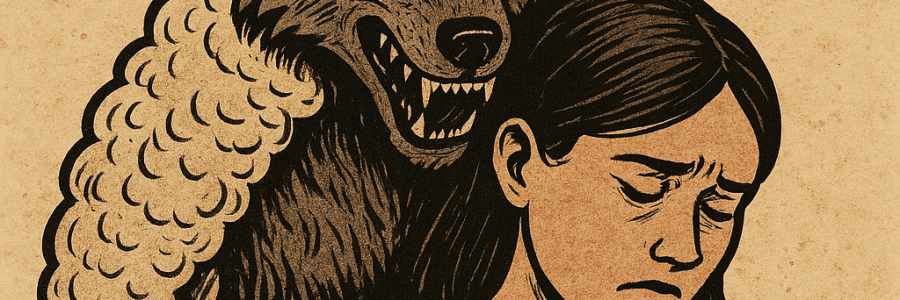
🗣️ The Healing Power of Speaking Your Truth: Why Sharing Your Story is a Radical Act of Recovery

By Linda C J Turner, Therapist & AdvocateNeuroscience Meets Empowerment for Survivors of Abuse There’s a moment in every healing journey when the silence becomes too loud. When the weight of carrying your story alone feels heavier than the fear of being seen. If you’re standing at that edge — preparing to share your truth… Read More 🗣️ The Healing Power of Speaking Your Truth: Why Sharing Your Story is a Radical Act of Recovery

The Dangerous Impact of Pressure During Divorce for Those Struggling with PTSD and Suicidal Thoughts: How to Protect Yourself

By Linda C J Turner, Therapist & Advocate Divorce is an emotionally charged process, especially when it’s accompanied by the psychological toll of PTSD or suicidal thoughts. The mental and emotional strain of ending a relationship is often exacerbated for individuals dealing with trauma, making the process even more difficult and, in some cases, dangerous.… Read More The Dangerous Impact of Pressure During Divorce for Those Struggling with PTSD and Suicidal Thoughts: How to Protect Yourself

Understanding the Dynamics of Lying and Emotional Abuse: A Neuroscience and Psychological Perspective

By Linda C J Turner, Therapist & Advocate As I’ve continued on my own healing journey, I’ve been fascinated by the intersection of neuroscience, psychology, and the effects of emotional abuse and lying. These experiences, although deeply painful, have provided me with a unique opportunity to better understand how the brain responds to manipulation, deception,… Read More Understanding the Dynamics of Lying and Emotional Abuse: A Neuroscience and Psychological Perspective

The Hidden Pain of Strangulation: A Personal Reflection on Its Long-Term Impact

By Linda C J Turner, Therapist & Advocate Strangulation is one of the most severe and intimate forms of violence, leaving scars that go far beyond the physical. I’ve experienced this first-hand, and the impact of such an attack is far-reaching, both in terms of immediate harm and long-term psychological consequences. While the physical injuries… Read More The Hidden Pain of Strangulation: A Personal Reflection on Its Long-Term Impact

When the Eyes Say Nothing, Listen Closer

Eyes that appear emotionless, dark, and still—with little to no pupil movement—can be profoundly unsettling. From a psychological and neurological perspective, this can be a sign of disconnection, trauma, dissociation, or certain personality structures. Let’s explore it in depth. “Dead Eyes”: The Psychology Behind Emotionless, Dark, and Still Eyes There’s something chilling about looking into the eyes… Read More When the Eyes Say Nothing, Listen Closer

“Looking After Yourself After Abuse: Why Regular Check-Ins with Doctors and Psychologists Matter”

“Looking After Yourself After Abuse: Why Regular Check-Ins with Doctors and Psychologists Matter” After enduring years of emotional, psychological, or physical abuse, many survivors come out the other side with a profound sense of relief—finally free from the cycle of fear, manipulation, or violence. But healing doesn’t stop when the abuse ends. In fact, for… Read More “Looking After Yourself After Abuse: Why Regular Check-Ins with Doctors and Psychologists Matter”

Triggers

Victims of domestic abuse who suffer from PTSD (Post-Traumatic Stress Disorder) often experience triggers that bring back painful memories, emotions, or physical reactions associated with their trauma. These triggers can be external (situations, people, or places) or internal (thoughts, feelings, or body sensations). When a victim is forced to revisit their abuser or deal with their abuser’s family members, these triggers can be extremely distressing and… Read More Triggers