🧠 Narcissist vs Sociopath vs Psychopath

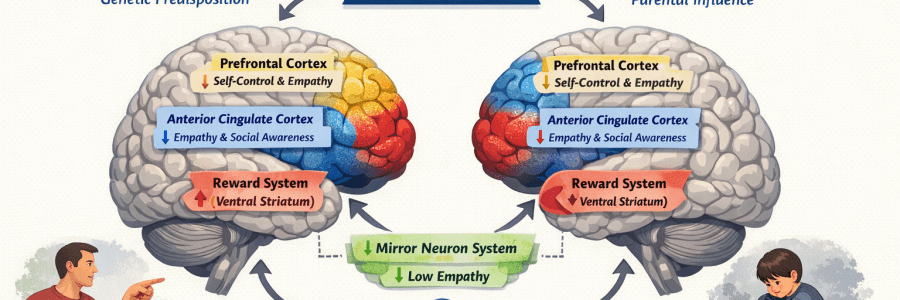
Here is a clear, clinical, side-by-side comparison of narcissist vs sociopath vs psychopath, using psychology + neuroscience + real-world behavior, so you can spot the differences instantly. This removes confusion and over-labeling — and gives you accurate detection clarity. Side-by-Side Comparison Table Trait Narcissist Sociopath Psychopath Core Problem Fragile ego + validation addiction Antisocial behavior + emotional instability Severe emotional deficit… Read More 🧠 Narcissist vs Sociopath vs Psychopath

🧠 Dark Psychology Tactics List

Dark Psychology Tactics List — a clear, neuroscience-based field guide to the manipulation methods used in dating, relationships, families, workplaces, and power dynamics. This is awareness, not paranoia.Once you can see tactics, they lose their power. How manipulation actually works (and how to spot it instantly) 1️⃣ Love Bombing Weapon: Intensity + emotional flooding What it looks like: Psychological goal:Create emotional dependency before trust… Read More 🧠 Dark Psychology Tactics List

Forensic Psychology Explanation:

How Crossing the Line Can Escalate Into Severe Violence — and Sometimes Murder In forensic psychology, extreme violence is rarely viewed as a sudden, unpredictable act.It is most often the end point of a gradual psychological and neurological escalation process. 1. Boundary Erosion & Desensitization Repeated exposure to cruelty — whether inflicted, witnessed, or fantasized —… Read More Forensic Psychology Explanation:

Rebuilding Trust After Betrayal

1. Recognize the betrayal clearly Before you can rebuild trust, you must acknowledge the truth of what happened: Why:Denial or minimisation keeps your nervous system in confusion and hypervigilance. 2. Rebuild internal trust first After betrayal, your inner compass can feel shaken. Ask: Actions to strengthen internal trust: Why:You cannot safely trust others until you trust yourself. 3. Set clear boundaries Boundaries… Read More Rebuilding Trust After Betrayal

Common Inheritance Manipulation Tactics

(Especially in controlling or corrupt family systems) 1. Isolation of the vulnerable person One of the first moves is to isolate the dying or vulnerable person. This looks like: Why?Because isolation creates control and influence. No witnesses = no accountability. 2. Legal override & pressure tactics Families often: Especially when: This is coercive legal manipulation, not justice. 3. Undermining your… Read More Common Inheritance Manipulation Tactics

Understanding the Dynamics:

Why families push for inheritance before death — and why people get pushed out 1. Fear-driven behaviour (not love-driven behaviour) When someone is nearing death or becoming frail, it activates deep survival fears in families: Instead of sitting with grief and vulnerability, many people move into control mode. Control feels safer than fear. So they start managing: This… Read More Understanding the Dynamics:

What Makes a Person Cruel? A Psychological Perspective

Cruelty is not just about actions — it is about the mindset, patterns, and unresolved inner dynamics that drive harm. Psychologists identify several key factors that contribute to cruelty: 1️⃣ Early Life and Attachment Trauma 2️⃣ Lack of Empathy 3️⃣ Need for Control and Power 4️⃣ Personality and Behavioral Traits 5️⃣ Learned Behavior and Social… Read More What Makes a Person Cruel? A Psychological Perspective

Neuroscience & Psychology Perspective – living in a parallel universe

1. Cognitive Dissonance & Denial Systems (on their side) If his relatives are still sending cards addressed to Mr & Mrs, 17 months after separation, this strongly suggests: In simple terms: Their brains are protecting them from discomfort by freezing reality in time. 2. Family System Psychology — “Homeostasis” In family psychology, systems resist change. When a long-term… Read More Neuroscience & Psychology Perspective – living in a parallel universe

How Grooming Works

Psychological & Neurological Mechanisms Grooming is not accidental.It is a deliberate psychological conditioning process designed to build trust, emotional dependence, secrecy, and compliance. 1) The Core Psychology of Grooming Grooming is based on influence, not force. Predators rarely use violence at first.They use connection, kindness, attention, and emotional bonding. Psychological goals: 2) The 6 Psychological Stages of Grooming Stage 1… Read More How Grooming Works

Why Truth-Tellers Often Become Leaders Later in Life

1. Truth-Telling Builds Deep Psychological Strength Truth-tellers endure: This forces the nervous system to develop: They learn to: stand alone without collapsing. That is the foundation of true leadership. 2. They Develop Internal Authority (Not External Approval-Seeking) Because they were not rewarded for honesty, truth-tellers stop seeking: Instead, they develop: internal authority They lead from: This… Read More Why Truth-Tellers Often Become Leaders Later in Life