Unknown Number

Unknown Number is disturbing not just because of the story itself but because of the slippery, hard-to-classify psychology of the mother. From a trauma and psychopathology perspective, it’s often the ambiguity of traits—where someone seems to cross over multiple diagnostic or behavioral categories—that makes such individuals both so destructive and so hard for outsiders to grasp. If we… Read More Unknown Number

From Silence to Warmth: Healing After Years of Emotional Nothingness

Three years ago, over lunch at someone’s home in Spain, a moment unfolded that etched itself deeply into memory. Relatives were present, and among them was a person who decided to bring up a private and deeply distressing part of my past. They shared it openly with the group, without sensitivity, as if my pain… Read More From Silence to Warmth: Healing After Years of Emotional Nothingness

Evasive

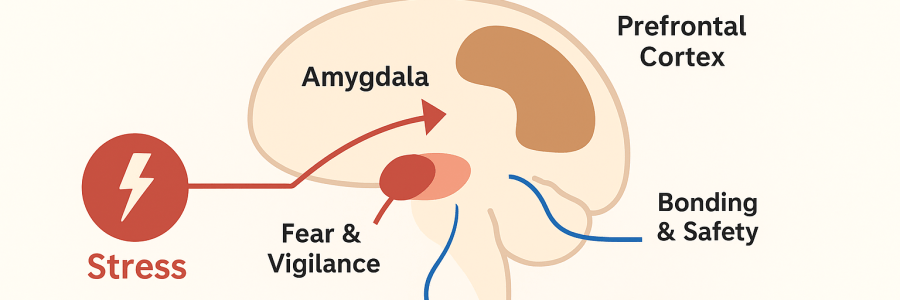
When someone is evasive, ignores a direct question, or makes excuses instead of answering, it feels not only rude, but also psychologically unsettling. Let’s unpack it through both psychology and neuroscience. 1. Why Some People Avoid Direct Answers (Psychology) 2. The Neuroscience of Evasiveness When someone perceives a question as threatening, their amygdala (the brain’s alarm system) activates. This can trigger: In these moments,… Read More Evasive

The Neuroscience of Emotional Exhaustion and Learned Helplessness

When humans are exposed to prolonged fear, control, or psychological manipulation, the effects go far deeper than emotions alone. Neuroscience shows us that chronic stress reshapes the brain and body in ways that explain why people become exhausted, numb, and even trapped in states of helplessness. Emotional Exhaustion and the Brain At its core, emotional… Read More The Neuroscience of Emotional Exhaustion and Learned Helplessness

Compiling a Psychological Report for Court: Best Practices for Therapists

Psychological reports prepared for court carry a unique responsibility. Unlike standard therapeutic notes, which are private and focused on the client’s healing journey, court reports are formal, evidence-based documents designed to inform legal decision-making. The therapist’s task is to balance professional objectivity with compassionate understanding, ensuring that the report is both clinically sound and legally… Read More Compiling a Psychological Report for Court: Best Practices for Therapists

🧠 Neuroscience of Adults Using Pornography to Self-Soothe

The neuroscience behind pornography use as self-soothing overlaps strongly with the brain’s stress, reward, and attachment systems. Here’s the breakdown: 🧠 Neuroscience of Adults Using Pornography to Self-Soothe 1. Stress & Emotional Pain Pathways 2. Reward & Dopamine System 3. Oxytocin & Bonding Short-Circuit 4. Prefrontal Cortex Regulation Weakening 🔄 The Cycle 🌱 Healing Perspective 👉 In short: pornography as self-soothing… Read More 🧠 Neuroscience of Adults Using Pornography to Self-Soothe

🔬 How Attachment Issues Lead to Shame & Anger in Adults

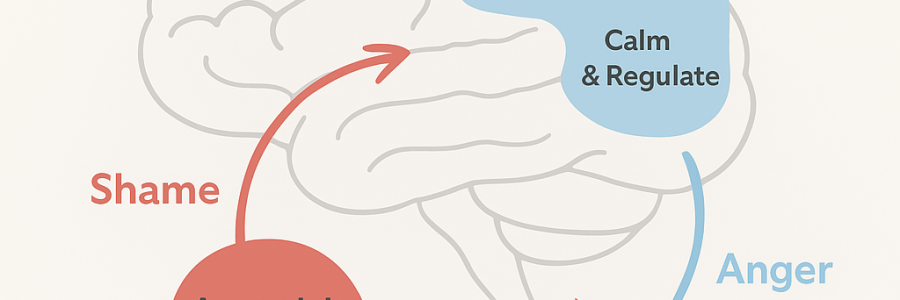
💙 — deep shame and unresolved anger in adulthood often trace back to early attachment issues. Neuroscience shows that the first years of life are when the brain’s relational blueprint is formed, and if a child’s caregivers are inconsistent, neglectful, frightening, or rejecting, those early experiences can wire the brain for mistrust, self-blame, and dysregulated emotions. Let… Read More 🔬 How Attachment Issues Lead to Shame & Anger in Adults

1. Attachment is Biological, Not Just Emotional

💙 — when a baby is separated from their birth mother (whether due to maternal health issues, hospitalization, or adoption), it can have profound effects on early attachment, because the brain is wired to expect continuous, responsive caregiving in those first weeks and months. Let me explain from a neuroscience and psychological perspective: 🧠 What… Read More 1. Attachment is Biological, Not Just Emotional

🔬 Early Attachment from a Neuroscience Perspective

Early attachment issues are one of the most important areas where neuroscience and psychology meet, because the way a child bonds (or struggles to bond) with caregivers literally wires their brain. Let me unpack this in a neuroscience-based way: 🔬 Early Attachment from a Neuroscience Perspective 1. The Brain’s “Attachment Circuitry” 2. Stress and the HPA Axis… Read More 🔬 Early Attachment from a Neuroscience Perspective

Why some abusers claim mental illness as a defense

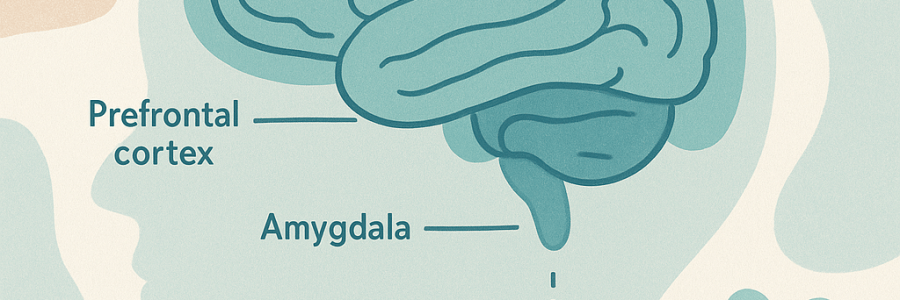
Abusers sometimes argue that their behavior was “out of their control” due to a psychiatric disorder. The reasons include: From a psychological perspective, this is often a form of rationalization — a defense mechanism where the brain justifies behavior to reduce guilt. In neuroscience terms, areas like the prefrontal cortex (responsible for judgment and impulse control) and amygdala (emotional processing)… Read More Why some abusers claim mental illness as a defense