The Neuroscience of Manipulative Touch: When Affection Becomes Control

Touch is one of the most powerful forms of human communication. A gentle hand on the shoulder, a comforting hug, or a warm embrace can lower stress hormones, release oxytocin (the “bonding hormone”), and strengthen emotional connection. But neuroscience also shows that touch can be used in darker, more self-serving ways — as a tool… Read More The Neuroscience of Manipulative Touch: When Affection Becomes Control

🌿 The Neuroscience and Psychology of Living Authentically

🧠 1. Truth Aligns the Brain — Lying Splits It When you’re honest, your brain operates in neural coherence — meaning your emotional brain (limbic system) and rational brain (prefrontal cortex) are in sync.There’s no need to suppress, edit, or hide information. This internal alignment creates calm, clarity, and focus. When you lie or live inauthentically, your brain must… Read More 🌿 The Neuroscience and Psychology of Living Authentically

The Neuroscience of Mixed Signals: Why “Let’s Stay Friends” Hurts More Than Goodbye

When someone says “Let’s stay friends” and then disappears, it can feel like a quiet kind of heartbreak — confusing, painful, and strangely unfinished.You’re left wondering: Did they mean it? Did I do something wrong? Why does this feel worse than a clean break?Neuroscience and psychology give us powerful answers. 🧠 Your Brain Craves Predictability The human brain is… Read More The Neuroscience of Mixed Signals: Why “Let’s Stay Friends” Hurts More Than Goodbye

🧠 Neuroscience: What Happens in the Brain

When someone says “let’s stay friends” and then ignores you, your brain experiences a kind of prediction error — what you expect (continued connection) doesn’t match what happens (silence or rejection). This mismatch activates: Your brain had already mapped that person into its social reward circuitry — dopamine, oxytocin, and endorphins reinforced that bond. When they pull away suddenly, your brain… Read More 🧠 Neuroscience: What Happens in the Brain

The Psychology of Minimizing Abuse: Why Families Say “You’ll Both Move On”

By Linda Carol When someone tells you, “In a year you’ll both have moved on,” while you’re still reeling from trauma or even ongoing harassment, it can feel like a slap.It sounds well-meaning on the surface — a gesture toward healing or optimism — but underneath, it’s a subtle act of emotional erasure. Why do people say things… Read More The Psychology of Minimizing Abuse: Why Families Say “You’ll Both Move On”

Learning to Love Again After Fear

Dating again while still being stalked or harassed by an ex after leaving a long marriage involves deep emotional, neurological, and psychological layers. Let’s unpack this from both neuroscience and psychology, and then look at what you can do to protect both your emotional safety and your new connections. 🧠 Neuroscience: What’s Happening in the Brain 1. Chronic threat keeps the brain… Read More Learning to Love Again After Fear

🧠 Why Some People Pull Away: The Neuroscience of Fear, Shame, and Avoidance

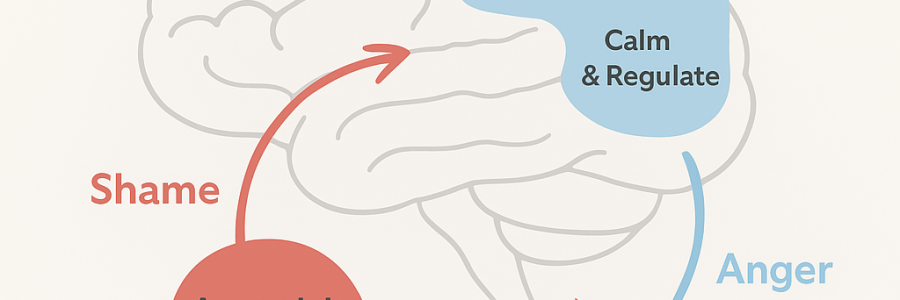
When someone says they’ll call, make plans, or express interest — and then disappears — it often feels personal, confusing, and painful. But neuroscience shows that these behaviors often reflect how their emotional brain circuits are operating, not a reflection of your worth. 1️⃣ The Role of the Amygdala: The Brain’s Alarm System The amygdala is the brain’s… Read More 🧠 Why Some People Pull Away: The Neuroscience of Fear, Shame, and Avoidance

“Intermittent engagement” or “hot-cold behavior”

“Intermittent engagement” or “hot-cold behavior” in psychology. Let’s break down why this happens from a neuroscience and psychological perspective. 1️⃣ The Behavior: Mixed Signals and “Dangling” When someone says they want to see you but doesn’t follow through, or claims they’ll call tomorrow but disappears, it creates uncertainty and anxiety. This is a form of inconsistent reinforcement — a psychological… Read More “Intermittent engagement” or “hot-cold behavior”

💖 The Science of a Thriving Relationship: Passion, Trust, and Connection

Imagine a relationship where the spark never fades, where mutual trust is rock-solid, and every conversation flows effortlessly. You’re deeply attracted to each other, yet you honor each other’s need for space. No mind games. No doubts. Just connection, respect, and undeniable chemistry. This isn’t just romantic fantasy — neuroscience and psychology show that such… Read More 💖 The Science of a Thriving Relationship: Passion, Trust, and Connection