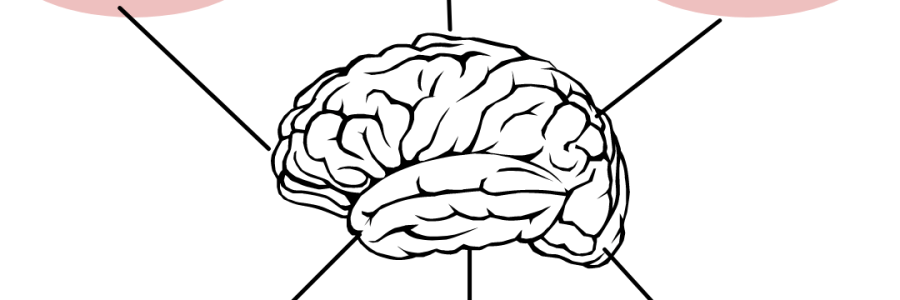
TYPES OF TRAUMA
Trauma–Informed Care (TIC) Trauma is divided into three main types: acute, chronic, and complex.
A narcissist refers to an individual who exhibits narcissistic traits or has been diagnosed with Narcissistic Personality Disorder (NPD). Narcissistic Personality Disorder is a mental health condition characterized by a pervasive pattern of grandiosity, a constant need for admiration, and a lack of empathy for others. While many people may display some narcissistic traits, individuals with Narcissistic Personality Disorder exhibit these traits to an extent that significantly interferes with their relationships and functioning.
Trauma–Informed Care (TIC) Trauma is divided into three main types: acute, chronic, and complex.
Perpetrators of violence often use a strategy of Deny, Attack, and Reverse Victim and Offender (DARVO) to confuse and silence their victims. Although some previous research has examined the individual elements of DARVO, this is the first study to directly examine DARVO as a unitary concept and to investigate how it relates to feelings of… Read More DAVRO and self victim blame
DARVO refers to a reaction perpetrators of wrong doing, particularly sexual offenders, may display in response to being held accountable for their behavior. DARVO stands for “Deny, Attack, and Reverse Victim and Offender.” The perpetrator or offender may Deny the behavior, Attack the individual doing the confronting, and Reverse the roles of Victim and Offender such… Read More DARVO
In the past 3 decades, we have learned an enormous amount about brain functions and interpersonal attachment systems. This new knowledge has not always been systematically applied to help traumatized children and adults heal from trauma. Dr. van der Kolk’s work is focused on integrating therapy with science. Dr. van der Kolk has published over… Read More Trauma Informed
Common mental health illnesses: Depression Generalized anxiety disorder Bipolar disorder Schizophrenia Common behavioral disorders: Substance abuse Gambling addiction Self-injury Eating disorders
How you treat yourself is one thing, but how you treat others is a choice. You don’t get to treat people like trash and then claim no responsibility and blame it on mental illness. Seek help. If someone is is abusive to those around them, mental illness is not an excuse and, if that person is… Read More If you treat others badly, they have every right to disconnect themselves from you.