Freedom After Chaos: The Neuroscience of Peace in Solitude
Walking along the seafront, ice cream in hand, dog by my side — I watch the world in motion.Couples passing by with tired eyes.People at dinner tables scrolling through glowing screens.Lovers bickering between mouthfuls of food.And I realize — I don’t miss any of it. Not the tension, not the performance, not the quiet loneliness… Read More Freedom After Chaos: The Neuroscience of Peace in Solitude

Finding the Right Man: A Neuroscientific and Psychological Perspective

When it comes to love, it’s easy to get caught in the glitter of grand gestures, social approval, or fleeting attraction. But the man who truly matters is rarely the one who dazzles in public — he’s the one who builds safety, trust, and connection in the quiet, everyday moments. Modern psychology and neuroscience help… Read More Finding the Right Man: A Neuroscientific and Psychological Perspective

When Convenience Masquerades as Love: The Neuroscience of Unequal Marriages

Marriages of convenience aren’t inherently harmful. Historically, they’ve existed for economic, social, or cultural reasons. Yet, modern psychology and neuroscience reveal a darker reality: when one partner benefits while the other believes the relationship is built on love, the emotional and cognitive consequences can be profound. 1. The Illusion of Love Our brains are wired… Read More When Convenience Masquerades as Love: The Neuroscience of Unequal Marriages

🧠 Neuroscience & Psychology of Abusive Family Systems

When an entire family becomes abusive — locking you out, controlling finances, stalking, sending threats — this reflects a collective dysfunction of empathy, power, and fear.From both neuroscience and psychology, several key mechanisms explain this: 1. Collective Trauma & Learned Behavior In many abusive families, destructive patterns are learned, repeated, and reinforced over generations. Each family member unconsciously plays… Read More 🧠 Neuroscience & Psychology of Abusive Family Systems

The Birth of Refuge: How One House Changed Everything

In the early 1970s, domestic violence was not recognised by law or society as a crime. It was considered a “private matter.” Women like Jenny had nowhere to go. Police often refused to intervene, and families urged women to “go back home.” But in 1971, one woman — Erin Pizzey — decided that silence was no longer… Read More The Birth of Refuge: How One House Changed Everything

Detecting Hidden Violent Tendencies: What Psychologists Look For

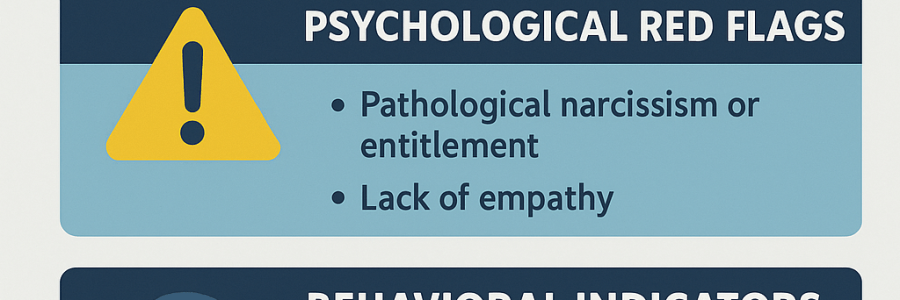
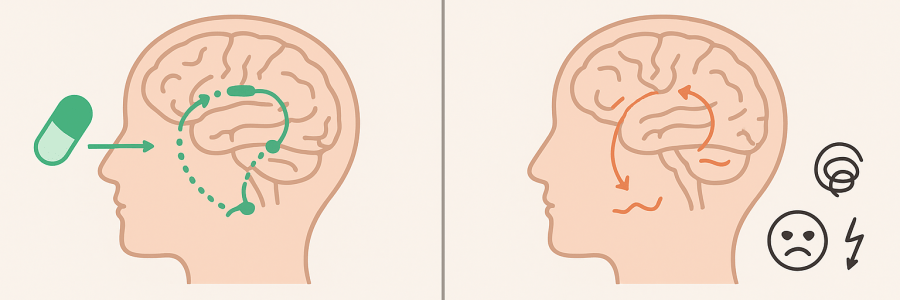
Even when someone seems calm in public, experts can spot warning signs behind closed doors. These signs are subtle and often show up in behavior, speech, or even social media activity. 1. Neuroscience Clues 2. Psychological Red Flags 3. Behavioral Indicators in Interviews 4. Social Media Signals 5. Structured Assessments Psychologists may use validated tools to evaluate risk:… Read More Detecting Hidden Violent Tendencies: What Psychologists Look For

Step by Step Guide

Here’s a step-by-step guide for safely reporting someone with violent fantasies and a history of abuse in the UK and Europe, including what authorities need to know: Step 1: Assess Immediate Danger Step 2: Document What You Know Authorities need clear, factual information: Keep documentation secure and private. Step 3: Contact Appropriate Authorities UK Europe (varies… Read More Step by Step Guide

Serious warning signs

The intersection of psychology, neuroscience, and criminal behavior—specifically, when violent fantasies escalate beyond intimate or marital relationships and begin targeting others. Here’s a breakdown: 1. Psychological Basis 2. Neuroscience Perspective 3. Risk Indicators 4. Legal & Safety Implications This is a serious warning sign: when an abuser’s violent fantasies start including others beyond the intimate circle, it’s no longer just domestic… Read More Serious warning signs