1) A Psychological Profile of Premeditated Abusers

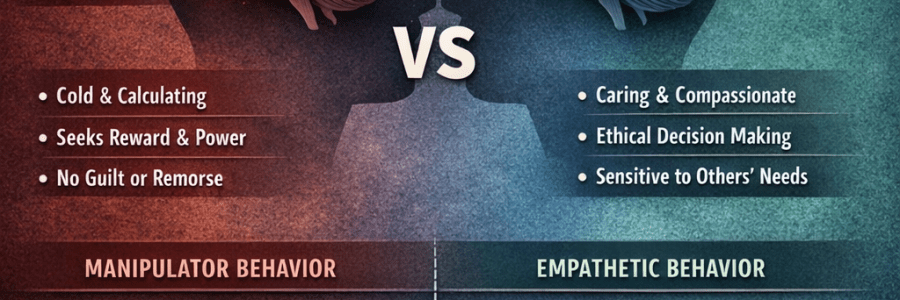
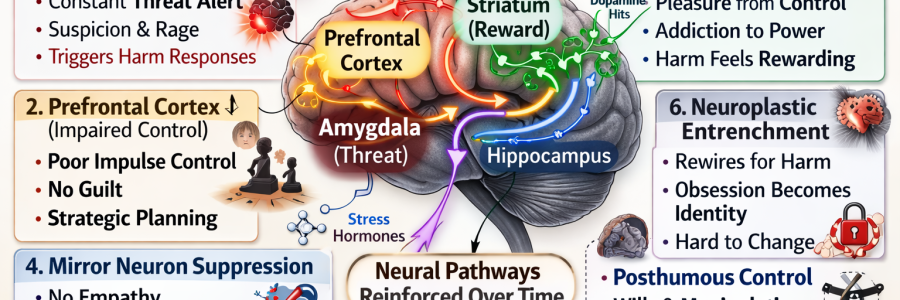
Understanding the Psychology of Conscious Harm and Strategic Self-Protection Not all abuse is impulsive. Some abusers know exactly what they are doing. They are aware of their patterns.They recognise their cycles.They anticipate escalation.And instead of choosing healing, accountability, or change — they choose strategy. This is the psychology of premeditated abuse. 1. Core Psychological Traits Premeditated abusers typically… Read More 1) A Psychological Profile of Premeditated Abusers

The Trauma of Realising You Were Never Meant to Stay

One of the most devastating discoveries a survivor can make is this: That the person knew, from the beginning,that they would eventually leave. Not because the relationship might fail.Not because of uncertainty. But because they knew their abusive behaviour would surface again — and they prepared for it. This realisation often feels more shattering than the… Read More The Trauma of Realising You Were Never Meant to Stay

The Cost of Living From the False Self

A Jungian & Trauma-Informed Perspective The false self is not a lie.It is a survival adaptation. It forms when authenticity feels unsafe — when belonging, attachment, approval, or protection require performance, compliance, emotional suppression, or self-erasure. In Jungian terms, this becomes the persona: the socially acceptable mask we wear to survive, adapt, and belong. In trauma… Read More The Cost of Living From the False Self

Can You Stay Friends With Your Ex?

Why It’s Impossible With an Abuser A Trauma-Informed Psychological Perspective In healthy breakups, friendship can sometimes develop.In abusive relationships, friendship is not possible — and attempting it often causes ongoing harm. This is not bitterness.It is psychological reality. 1. Friendship Requires Safety — Abuse Destroys Safety True friendship requires: Abuse destroys all five. An abusive dynamic is… Read More Can You Stay Friends With Your Ex?

A Trauma-Informed Guide to Rebuilding Trust, Connection & Emotional Safety

Divorce changes a man’s nervous system. Even when the separation was necessary, the emotional impact can be profound. Loss, identity disruption, rejection, betrayal, failure, and grief all reshape how the brain approaches intimacy. From a neuroscience and psychological perspective, this shift is not weakness — it is adaptation. 1. What Divorce Does to the Male Nervous… Read More A Trauma-Informed Guide to Rebuilding Trust, Connection & Emotional Safety

A Trauma-Informed Guide to Dating Again After Loss, Divorce, or Long-Term Relationships

Dating in midlife is not the same as dating when you were younger. Your nervous system now carries: This means your body seeks safety before excitement — even if your mind wants connection. From a neuroscience and psychological perspective, this is not hesitation.It is emotional intelligence. 1. The Midlife Nervous System: Why Dating Feels Different Now After… Read More A Trauma-Informed Guide to Dating Again After Loss, Divorce, or Long-Term Relationships

A Trauma-Sensitive Explanation for Survivors

Discovering that a partner has been paying for sex can be profoundly destabilizing. It often triggers shock, grief, rage, confusion, humiliation, betrayal, and deep emotional pain — sometimes all at once. This reaction is not dramatic.It is a normal nervous-system response to relational trauma. Why This Hurts So Deeply This kind of discovery doesn’t just break trust.It fractures… Read More A Trauma-Sensitive Explanation for Survivors

Paying for Sex — Neuroscience & Psychology

Paying for sex is not primarily about sex.From a neuroscience and psychological perspective, it is most often about power, control, emotional safety, attachment wounds, and nervous-system regulation. 1. The Neuroscience: Control Over Connection Healthy sexual intimacy activates: But true intimacy requires emotional vulnerability, which activates deeper brain regions responsible for: For many people, this vulnerability feels unsafe. So… Read More Paying for Sex — Neuroscience & Psychology

Why Some Families Actively Join in Cruelty

Psychology & Family System Dynamics 1. Why Some Families Actively Join in Cruelty Some families don’t just enable cruelty — they participate in it. This happens when cruelty becomes: Psychological Drivers: This is called: Collective abuse dynamics 2. Why Siblings Sometimes Become Aggressors In abusive or high-control families, siblings often compete for: Common sibling roles: ➤… Read More Why Some Families Actively Join in Cruelty

Why Some Families Enable Cruelty

Here is a clear, compassionate, psychologically grounded explanation of why some families enable cruelty — especially in abusive dynamics. This is about understanding patterns, not excusing harm. Psychology, Family Systems & Trauma Dynamics Core Truth Families often enable cruelty not because they approve of it — but because the family system is organized around fear, denial, loyalty pressure, and emotional… Read More Why Some Families Enable Cruelty