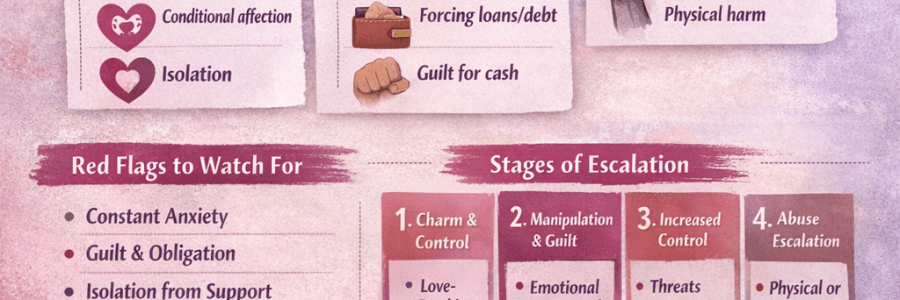
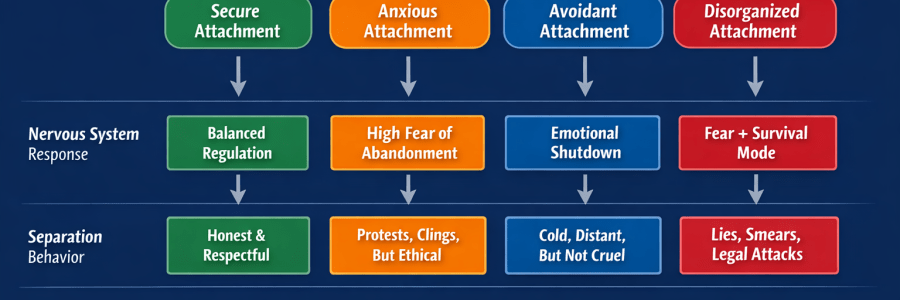
🧠 The Pathological Fusion of Love and Control

Understanding the Neuroscience of Possessive Abuse At first glance, people who commit intimate-partner violence often claim they acted out of love — that they “couldn’t bear to lose” their partner. But psychologists and neuroscientists know that what drives them isn’t love; it’s a pathological fusion of attachment and control — a wiring error deep within the emotional… Read More 🧠 The Pathological Fusion of Love and Control

🌍 The Beauty of Real Connection: A Journey of Healing and Growth

It’s amazing how far we can come in just a year.When I look back, I see not just time passed — but transformation. I’ve met wonderful people from all corners of the world — men and women — who’ve brought genuine joy, laughter, and light back into my life. Some connections remain close, others have… Read More 🌍 The Beauty of Real Connection: A Journey of Healing and Growth

For the Women Who Believed Him: A Psychological Reflection

For all the widowed and divorced women who believed the man who said he wanted to go travelling, who claimed he didn’t have anger issues, and who swore he just had a “phobia of commitment” — this is for you. You believed in potential. You believed in kindness. You believed in healing and in second… Read More For the Women Who Believed Him: A Psychological Reflection

The Neuroscience of Manipulative Touch: When Affection Becomes Control

Touch is one of the most powerful forms of human communication. A gentle hand on the shoulder, a comforting hug, or a warm embrace can lower stress hormones, release oxytocin (the “bonding hormone”), and strengthen emotional connection. But neuroscience also shows that touch can be used in darker, more self-serving ways — as a tool… Read More The Neuroscience of Manipulative Touch: When Affection Becomes Control

What the research tells us about dating at 60+

1. Prevalence and patterns Implication: Dating later in life is not the norm for everyone, but it is sufficiently common that it’s receiving scholarly attention. 2. Neuroscience and romantic connection Implication: The neurobiology suggests that even after long relationships one can still experience deep romantic or bonding feelings; thus, entering a new dating phase later… Read More What the research tells us about dating at 60+