One Way Street

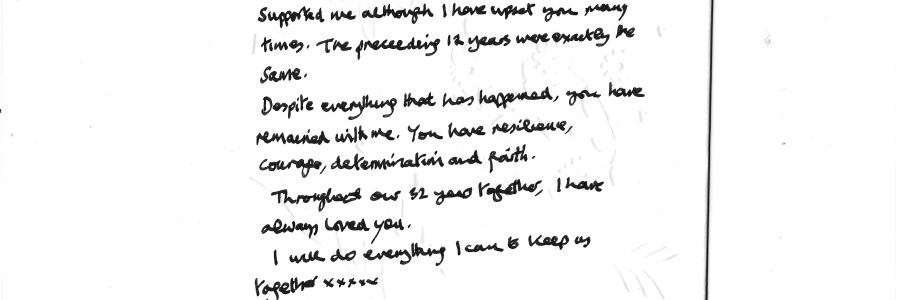
For 32 years, I lived under the illusion that my marriage was built on mutual love, care, and respect. I believed that my husband and his family valued me, that they saw me as an integral part of their lives. However, with clarity and reflection, I now recognize that my role was never one of a cherished partner but rather of an unpaid carer and facilitator, someone expected to take care of my husband while his family reaped the benefits without reciprocation.… Read More One Way Street

All out of faith!

Faith doesn’t always mean trusting others. Sometimes, it’s about trusting yourself—trusting that you have the strength to weather this storm and come out the other side. Losing faith in others doesn’t mean the world is hopeless; it means you’ve encountered people who couldn’t meet you where you are. That’s on them, not you.… Read More All out of faith!

Why Surrender Can Be Liberating

Handing things over doesn’t mean giving up or not caring. Instead, it’s about saying:
“I’ve done what I can. Now I’ll trust that what’s meant for me will find its way.”

It’s about balancing effort with acceptance, knowing when to act and when to step back. This can be particularly healing in relationships where love exists but circumstances make things challenging. Sometimes, letting go with love—of the need to control, to fix, or to fight—is the kindest and wisest act.… Read More Why Surrender Can Be Liberating

Morgan Scott Peck (1936–2005) was an American psychiatrist and best-selling author who wrote the book The Road Less Traveled, published in 1978.

is consistently self-deceiving, with the intent of avoiding guilt and maintaining a self-image of perfection

deceives others as a consequence of their own self-deception

projects his or her evils and sins onto very specific targets (scapegoats) while being apparently normal with everyone else (“their insensitivity toward him was selective” (Peck, 1983/1988, p 105[8]))

commonly hates with the pretense of love, for the purposes of self-deception as much as deception of others

abuses political (emotional) power (“the imposition of one’s will upon others by overt or covert coercion” (Peck, 1978/1992, p298[7]))

maintains a high level of respectability, and lies incessantly to do so

is consistent in his or her sins. Evil persons are characterized not so much by the magnitude of their sins, but by their consistency (of destructiveness)

is unable to think from the viewpoint of their victim (scapegoating)

has a covert intolerance to criticism and other forms of narcissistic injury… Read More Morgan Scott Peck (1936–2005) was an American psychiatrist and best-selling author who wrote the book The Road Less Traveled, published in 1978.

Encountering two-faced hypocrites

Encountering two-faced hypocrites, especially within a toxic relationship or environment, can be incredibly frustrating and emotionally draining. These individuals present one version of themselves to the world—a polished, benevolent mask—while hiding manipulative, selfish, or harmful intentions beneath the surface. Dealing with them requires understanding their tactics and learning how to protect yourself emotionally and mentally.… Read More Encountering two-faced hypocrites

Beware the miser. 

Transactional Relationships: Every interaction becomes a negotiation. Acts of kindness, support, or generosity are conditional, offered only when there’s clear personal gain.

Emotional Withholding: This person might not just hoard money but also affection, time, or emotional support. They give sparingly, often as a tool to maintain control.

Short-Sightedness: They fail to see that generosity—whether of heart, time, or resources—nurtures relationships and creates a richness in life that far outweighs any monetary value.

Family as Bargaining Chips: The saddest aspect is when even close relationships, such as with family, are treated as opportunities to manipulate or bargain rather than opportunities to care and connect.… Read More Beware the miser.