Silence

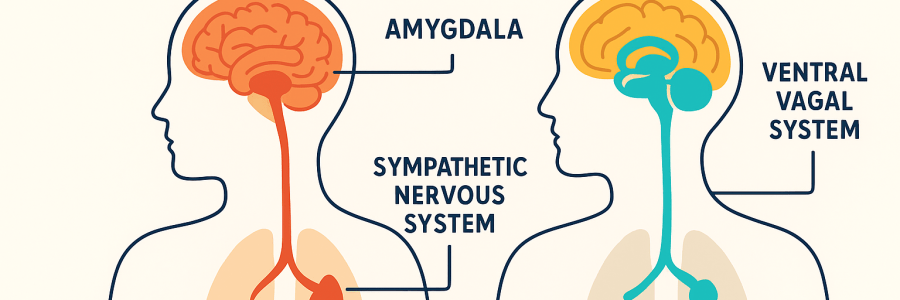
🧠 Neuroscience and Psychology Behind It When you say, “If you need to disappear to feel powerful, I’ll take that as my cue to walk toward peace,”you’re describing emotional differentiation — a state where your nervous system no longer confuses someone else’s withdrawal with your own worth. It’s the neuroscience of emotional detachment, not as avoidance, but as self-preservation… Read More Silence

🧠 Neuroscience of Rediscovery

Rediscovering yourself after years of being shaped by someone else’s influence. From a neuroscience and psychological perspective, what you’re describing is a genuine process of neural and emotional liberation — your brain is literally rewiring for autonomy, pleasure, and connection. Here’s how that works: 🧠 Neuroscience of Rediscovery 💬 Psychological Perspective 🌱 Simple Practices to Strengthen This Growth

“Playing the victim”

“Playing the victim” as a chronic psychological defense pattern, often seen when someone feels loss of control, guilt, shame, or fear of exposure. Let’s unpack it from both a neuroscientific and psychological perspective. 🧠 Neuroscience: What’s happening in the brain When people feel cornered or their image threatened, the brain’s threat system (amygdala, hypothalamus, and periaqueductal gray) activates. This triggers a cascade of stress… Read More “Playing the victim”

When “Concern” Turns into Surveillance: The Neuroscience of Hidden Control

When someone has taped your phone, planted a hidden camera, or placed a tracker on your car, it’s not love — it’s surveillance.These actions are meant to dominate, not protect. From a neuroscience perspective, this kind of violation rewires the brain’s safety systems. The moment we sense that our privacy has been invaded, the amygdala — the brain’s fear… Read More When “Concern” Turns into Surveillance: The Neuroscience of Hidden Control

💬 Communication & Repair in New Relationships

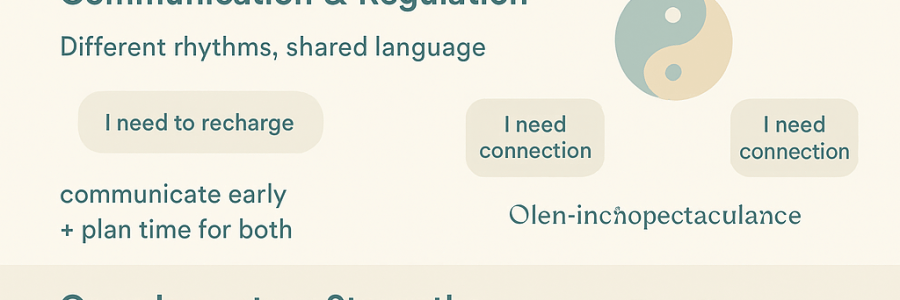
Neuroscience and Psychology of Emotional Safety When a new relationship begins, it’s not just chemistry and attraction at play — your nervous system is watching closely. It’s scanning for safety cues: Can I be myself here? Can I speak honestly without fear? Will I be punished, ignored, or understood when conflict arises? These early patterns of communication and… Read More 💬 Communication & Repair in New Relationships

⚠️ When the Abuser’s Family Suddenly Sends You a Friend Request — Hidden Motives and the Psychology Behind It

After years or even decades of silence, you might suddenly get a friend request or message from your abuser’s family.It can feel confusing — part curiosity, part unease.But often, these “friendly” gestures have ulterior motives, and it’s wise to stay cautious. 🧠 The Psychology Behind the Behavior When someone from the abuser’s circle reaches out, it’s rarely… Read More ⚠️ When the Abuser’s Family Suddenly Sends You a Friend Request — Hidden Motives and the Psychology Behind It

🌟 Gratitude and Visualization — Rewiring the Brain for Empowerment

When you’ve experienced abuse or prolonged stress, the brain’s threat system dominates. It constantly scans for danger, replaying painful memories and emotions. Gratitude and visualization work as powerful neuroplastic tools to shift your brain out of survival mode and into a state of safety, strength, and emotional balance. 🧠 The Neuroscience Behind Gratitude Gratitude isn’t just a “feel-good” concept —… Read More 🌟 Gratitude and Visualization — Rewiring the Brain for Empowerment

🧠 How to Take Back Your Power — Essential Therapy and Brain Exercises for Healing After Abuse

When you’ve been through emotional, physical, or financial abuse, you don’t just lose trust in others — you lose trust in yourself. Your brain and nervous system have been trained to survive, not to thrive. The journey to taking back your power is both psychological and neurological — it’s about retraining your brain to feel safe, strong,… Read More 🧠 How to Take Back Your Power — Essential Therapy and Brain Exercises for Healing After Abuse

💫 Taking Back Your Power After Financial, Physical, and Emotional Abuse

Abuse doesn’t just damage your confidence — it rewires your brain. Long-term exposure to control, fear, and manipulation conditions the nervous system to live in survival mode. You stop feeling safe in your own body. You question your reality, your worth, even your ability to make decisions. 🧠 The Neuroscience Behind ItChronic abuse triggers the brain’s stress… Read More 💫 Taking Back Your Power After Financial, Physical, and Emotional Abuse