The Original “Suspension Bridge” Study (Dutton & Aron, 1974)

Let’s go deeper into the misattribution of arousal, its neuroscience, and how cortisol and emotional conditioning turn that initial thrill or anxiety into a powerful — and often dangerous — attachment loop. This is one of the most fascinating (and disturbing) examples of how biology can be hijacked by emotional manipulation. 🧠 1. The Original “Suspension Bridge” Study… Read More The Original “Suspension Bridge” Study (Dutton & Aron, 1974)
Safe, mutual, and real.

Let’s go much deeper into the neuroscience and psychology behind those three key systems — dopamine (reward/novelty), oxytocin & vasopressin (bonding/trust), and noradrenaline/adrenaline (arousal/memory) — and how together they create the illusion of “instant love” or emotional fusion that manipulators can exploit. This is the scientific anatomy of romantic intoxication — the same circuitry that underlies addiction, attachment, and trauma bonding. 🧠 1.… Read More Safe, mutual, and real.

🕯️ Charm, Sex & the Lure: The Neuroscience and Psychology of Seduction-as-Manipulation

People of any gender can use charm and sex as a strategy — intentionally or unconsciously — to gain power, control, or resources from others. Because these tactics hijack the brain’s bonding and reward systems, they can feel intoxicating and convincing. Understanding the science behind them helps survivors reclaim clarity, protect themselves, and heal. 1)… Read More 🕯️ Charm, Sex & the Lure: The Neuroscience and Psychology of Seduction-as-Manipulation

💰 “So… Who Owns the House?” — The Neuroscience of Financial Curiosity in Early Relationships

🧠 The Brain Behind the Questions When someone begins asking intrusive money questions —Who owns your home?Do you have debts?What kind of car is that? —you’re not just seeing curiosity. You’re witnessing their reward and threat systems at work. Two neural circuits explain this behavior: 💡 The Psychology of Early Financial Probing There are usually three psychological drivers behind this… Read More 💰 “So… Who Owns the House?” — The Neuroscience of Financial Curiosity in Early Relationships

🚀 Billy Bullshitter: The Neuroscience of the Pretend Entrepreneur, Rocket Scientist, Playboy, and Brain Surgeon

🎭 The Performance Meet Billy Bullshitter.On paper — or rather, on profile — he’s a visionary entrepreneur, self-taught pilot, retired brain surgeon, and part-time philosopher who “just loves deep conversations about the universe.” In reality, he’s an ordinary guy in search of extraordinary validation. Billy’s not trying to sell a product. He’s selling himself — or rather, a carefully… Read More 🚀 Billy Bullshitter: The Neuroscience of the Pretend Entrepreneur, Rocket Scientist, Playboy, and Brain Surgeon

❤️‍🔥 Love in the Age of Algorithms: The Neuroscience of Dating Apps, Honesty, and Deception

💬 The Swipe That Changed Everything Dating apps were meant to simplify love — turning chance encounters into curated matches.And in many ways, they work: people meet, connect, even marry through them.But the same tools that help us find love can also amplify illusion — the carefully filtered self, the dopamine-fueled thrill, and, at times, the emotional… Read More ❤️‍🔥 Love in the Age of Algorithms: The Neuroscience of Dating Apps, Honesty, and Deception

🧠 1. The Neuroscience Behind Discomfort in Crowds

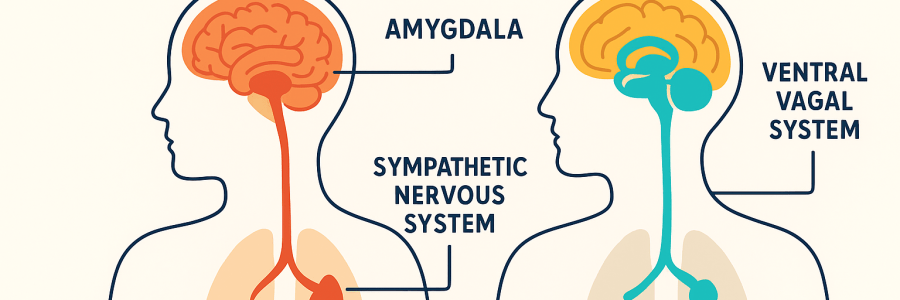
The human brain constantly scans the environment for safety using the amygdala and autonomic nervous system.In a calm environment, the ventral vagal system (social engagement pathway) keeps you grounded and relaxed. But in crowds — with loud sounds, unpredictable movements, and strangers — your brain interprets this as sensory overload or even potential threat.This triggers: You may feel your heart race, your muscles… Read More 🧠 1. The Neuroscience Behind Discomfort in Crowds

💡 The Importance of Honesty in a Relationship

Why “Everyone Lies” Should Never Be an Excuse When someone says, “Everyone lies,” they’re not describing human imperfection — they’re normalizing deception.It’s a quiet way of lowering the bar for integrity, and it signals that truth will not be the shared language of the relationship. 1. The Psychology of Trust Trust is built on predictability and transparency.When partners are… Read More 💡 The Importance of Honesty in a Relationship

Erasure

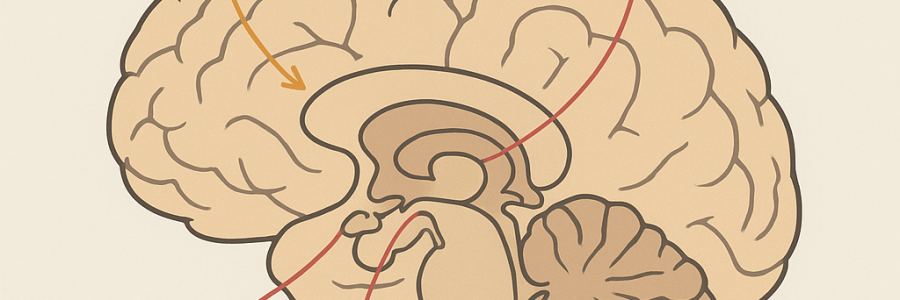
“Just because you try to erase the truth doesn’t mean it didn’t happen.”Below is a psychological and neuroscientific explanation of what that erasure attempt does to the victim’s brain and emotional world — and why the truth always leaves traces in the body, memory, and nervous system. 🧠 The Neuroscience of Erased Truth “Erasure” doesn’t delete the memory —… Read More Erasure