Key Principles of Heart–Brain Neurodynamics

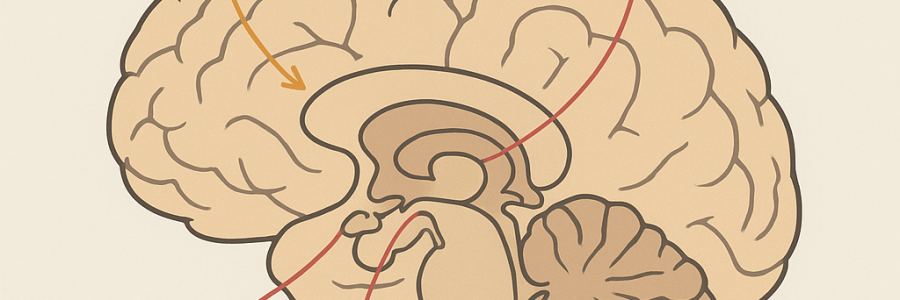
Let’s dive into the heart–brain neurodynamics—how the heart and brain communicate, influence each other, and regulate physiology, emotion, and cognition. I’ll break it down systematically. 1. Heart–Brain Communication Pathways The heart and brain are constantly exchanging information through several channels: A. Neural Pathways B. Hormonal & Biochemical Pathways C. Electromagnetic Field 2. Heart–Brain Feedback Loops The heart and… Read More Key Principles of Heart–Brain Neurodynamics

1. What is the “Intelligence of the Heart”?

The term comes from heart–brain science, polyvagal theory, and biofeedback research. It refers to the heart’s ability to sense, respond, and influence physiological, emotional, and cognitive states. Key insight: The heart is not just a pump—it is a dynamic regulator of the nervous system. 2. Trauma and the Heart Trauma impacts the autonomic nervous system (ANS): Heart intelligence interventions aim to restore… Read More 1. What is the “Intelligence of the Heart”?

The Neurophysiology of Trauma

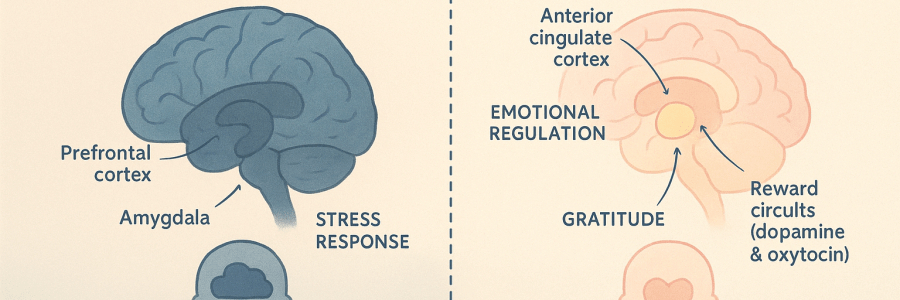
Trauma is not just psychological—it physically changes the brain and body. Key Brain Structures Involved Structure Role in Trauma Amygdala Detects threats; hyperactive in trauma → fear, hypervigilance, emotional reactivity Hippocampus Contextualizes memories; trauma can reduce volume → fragmented, intrusive memories Prefrontal Cortex (PFC) Executive function, emotional regulation; trauma → impaired top-down control Anterior Cingulate Cortex… Read More The Neurophysiology of Trauma

HRV Biofeedback Cheat Sheet for Self-Regulation

1. Tools You’ll Need Tool Purpose Tips Chest strap HR monitor (Polar H10, Wahoo, Garmin) Most accurate HRV measurement Comfortable, wear snug but not tight Smartwatch or ring (Apple Watch, Oura, Garmin) Convenient HRV tracking Best for daily trends, not precise metrics HRV Biofeedback app (Elite HRV, Inner Balance, HeartMath, Kubios) Real-time feedback & guided… Read More HRV Biofeedback Cheat Sheet for Self-Regulation

Regulate, Repair, and stay Resilient.

Staying physically and mentally healthy is a cornerstone of trauma recovery. Recovery isn’t just emotional; the body and mind need support to regulate, repair, and stay resilient. Here’s a structured approach for maintaining wellness during recovery: 1. Medical Health Regular check-ups keep you grounded and prevent neglect of your body: Consistency reinforces a sense of control over… Read More Regulate, Repair, and stay Resilient.

Memory & Trauma Processing

Alcohol can have a profound and often counterproductive impact on trauma recovery, both neurologically and psychologically. Here’s a detailed breakdown: 1. Nervous System Impact Trauma leaves the nervous system hypervigilant. Alcohol: 2. Memory & Trauma Processing Essentially, alcohol blocks the brain from integrating the trauma safely. 3. Emotional Dysregulation 4. Interpersonal Impact 5. Risk of Re-traumatization 6. Why… Read More Memory & Trauma Processing

What “messing up” in trauma really is

When you’re traumatised, your nervous system is not choosing behaviour — it’s protecting you. So what looks like “wrecking the relationship” is often: None of this is character failure.It’s unhealed threat memory meeting intimacy. Why trauma sabotages something that matters Trauma does three things in relationships: 1. It mistakes closeness for danger When connection deepens, the body remembers:… Read More What “messing up” in trauma really is

Dating While Healing — Self-Check

Pause. Breathe. Answer honestly. No explanations required. 🧠 Nervous System Check If calm feels “boring” or unsettling, that may be trauma, not incompatibility. ❤️ Attachment Check Healthy attraction grows; trauma attachment accelerates. 🧱 Boundary Check If a boundary feels like rejection, pause — that’s old wiring speaking. 🪞Self-Respect Check Connection should expand you, not eclipse… Read More Dating While Healing — Self-Check

Mind and Body

Meeting someone new while you’re still in trauma doesn’t mean you’re “doing it wrong” — but it does shape the relationship in very specific ways, whether people realise it or not. Let’s break it down gently and honestly. What trauma does to connection (even with good people) When you’re still in trauma recovery, your nervous system… Read More Mind and Body

Body and mind are often in a chronic survival state

After decades of abuse, the body and mind are often in a chronic survival state, even long after the relationship ends. This isn’t a flaw — it’s the nervous system doing exactly what it was built to do: protect you from ongoing threat. Understanding this helps identify which situations to avoid while rebuilding safety and autonomy. 1.… Read More Body and mind are often in a chronic survival state