🧠 TRAUMA BONDING vs 🧠 TRUE INTIMACY
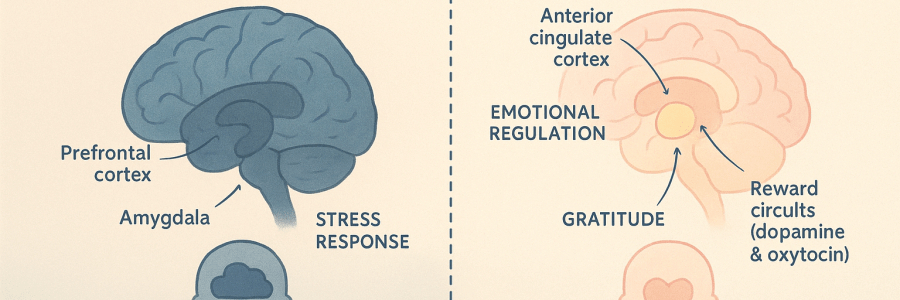
(Why fast feels deep — but isn’t) 1️⃣ THE NEUROCHEMISTRY TRICK 🧠 Trauma bonding brain This cocktail creates: Urgency + intensity + emotional fusion Your brain mistakes relief for connection. 🧠 True intimacy brain This creates: Safety + curiosity + gradual trust It feels calmer — sometimes even “boring” at first. 2️⃣ SPEED IS THE FIRST GIVEAWAY 🚩… Read More 🧠 TRAUMA BONDING vs 🧠 TRUE INTIMACY
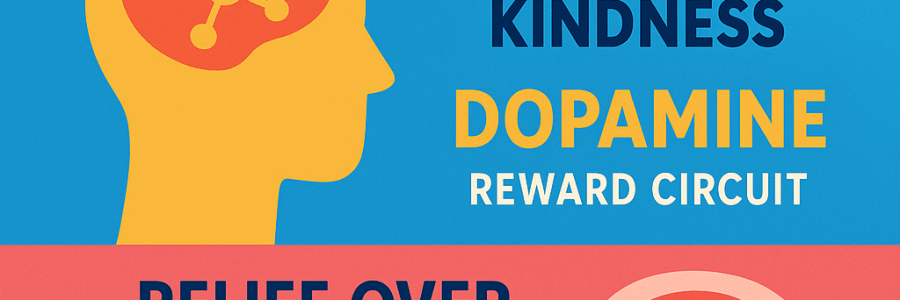
WHY EMOTIONALLY REGULATED PEOPLE BECOME MAGNETS

1️⃣ Regulation is a resource the brain can sense Humans unconsciously scan for nervous-system cues. Your signals: To a dysregulated brain, this registers as: “This person can hold me.” That perception alone invites offloading. 2️⃣ Dysregulated systems seek external regulation People who lack self-regulation unconsciously use others to: They are not seeking companionship — they are seeking regulation… Read More WHY EMOTIONALLY REGULATED PEOPLE BECOME MAGNETS

HOW TO SPOT RECIPROCITY CAPACITY EARLY

Below is a clear framework for spotting reciprocity capacity early, before you give time, care, labour, money, or emotional energy. 🔍 HOW TO SPOT RECIPROCITY CAPACITY EARLY (Brain → behaviour → signal) 1️⃣ MICRO-RECIPROCITY TESTS (SAFE & LOW COST) These are tiny, neutral tests that reveal nervous-system wiring without confrontation. Example tests: 🧠 What’s happening neurologically: ✅ Reciprocity capacity looks… Read More HOW TO SPOT RECIPROCITY CAPACITY EARLY

Neuroscience Map: Abuse vs. Real Love

Domain Real Love Abuse / Financial, Physical, Emotional + Sadistic Attachment System Secure attachment, oxytocin bonding, trust circuits active Trauma bonding, attachment hijacked by fear and reward; oxytocin spikes tied to intermittent reinforcement Nervous System Parasympathetic activation: calm, safe, regulated Sympathetic / HPA axis overactivation: chronic fight/flight/freeze, hypervigilance, stress hormone surge Prefrontal Cortex Clear thinking,… Read More Neuroscience Map: Abuse vs. Real Love

Why Separation Triggers Escalation

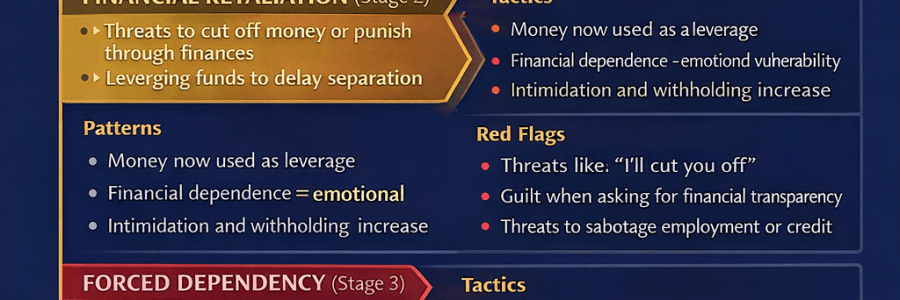
Below is a clear, step-by-step escalation model used in trauma psychology and coercive-control research to explain how financial parasitism intensifies once separation begins.This is predictable, patterned, and not accidental. Why Separation Triggers Escalation Financial parasitism is not just about money.It is about regulation, control, and entitlement. When separation starts: The behaviour escalates to re-establish dominance or punish autonomy. The Escalation Pathway… Read More Why Separation Triggers Escalation

Healthy vs Unhealthy Separation

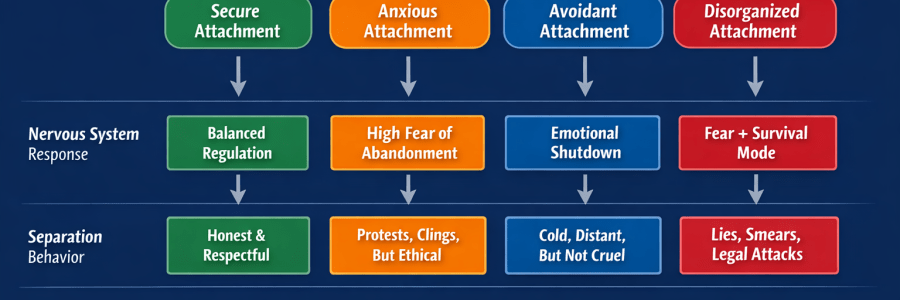
Below is a clear, side-by-side comparison followed by a direct mapping to attachment styles.This is the framework clinicians, trauma specialists, and increasingly courts use to distinguish healthy separation from abusive or unsafe dynamics. Healthy vs Unhealthy Separation (Side-by-Side Comparison Chart) Domain Healthy Separation Unhealthy / Abusive Separation Core mindset “This relationship is ending; we are still human.” “I must win, control,… Read More Healthy vs Unhealthy Separation

How Healthy Partners Behave — Even During Separation

This is a crucial distinction, especially during separation or divorce when stress is high.Healthy partners may be hurt, angry, or grieving — but they do not cross core moral lines, even when the relationship ends. Below is how this looks psychologically, neurologically, and behaviorally. How Healthy Partners Behave — Even During Separation (Neuroscience & Psychology) 1. They Do… Read More How Healthy Partners Behave — Even During Separation

The Unforgivable Lines in a Relationship

Below is a clear, non-negotiable framework used in trauma psychology, family law, and neuroscience to define lines that must never be crossed in an intimate relationship.These are not “relationship problems.” They are moral, neurological, and legal violations that permanently damage trust and the human nervous system. The Unforgivable Lines in a Relationship (Neuroscience & Psychology perspective) 1. Violence or Threats of… Read More The Unforgivable Lines in a Relationship

Cycle of Long Term Abuse

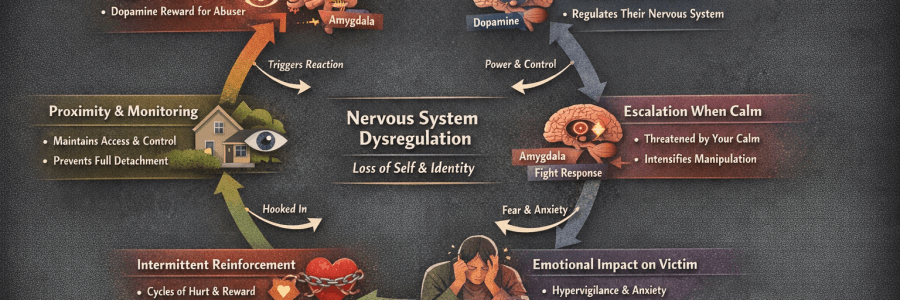
button-pushing, escalation when calm, reliance on your reactions for regulation, and staying close to you physically or symbolically — is actually a hallmark of long-term emotional abuse. Let’s unpack why this is, from both a psychological and neurological perspective. 1. Emotional Abuse Is About Control, Not Connection Long-term emotional abuse isn’t about conflict or even “anger.” It’s… Read More Cycle of Long Term Abuse