Healthy Communication: What It Really Looks Like

Healthy communication isn’t about perfection. It’s about clarity, respect, and emotional presence. Here’s how it shows up in real life: 1. Words and Actions Align Example: “I’ll call you at 7 PM” → they call at 7 PM, not 8:30 PM with an excuse. 2. Consistency Over Time Example: They’re warm and attentive during texts, calls, and… Read More Healthy Communication: What It Really Looks Like

The healthy balance

Here are 5 subtle signs someone may have weak or unhealthy boundaries in relationships, based on findings in relationship psychology and behavioural neuroscience. 1. Difficulty saying “no” One of the clearest signs of weak boundaries is the inability to refuse requests. People with this pattern often: Psychologists link this behaviour to a strong need for approval. The… Read More The healthy balance

The Difference Between Kindness and Naivety: How Healthy People Set Boundaries

Kindness is often misunderstood. When someone is warm, empathetic, and generous with their time or support, people sometimes assume they are naive or easy to take advantage of. Unfortunately, manipulative personalities often encourage this belief because it allows them to continue exploiting others without being challenged. But kindness and naivety are not the same thing.… Read More The Difference Between Kindness and Naivety: How Healthy People Set Boundaries

Language-proof boundary scripts

Below are language-proof boundary scripts designed to be calm, precise, and very hard to distort. They’re written to remove emotional hooks, limit projection, and keep you in a regulated, authoritative position. I’ll explain the principles briefly, then give you copy-ready scripts you can actually use. The principles (why these work) Language-proof boundaries share four traits: No justification. No over-explaining. No… Read More Language-proof boundary scripts

Why Kind People Feel Guilt More Intensely

1. Empathy Turns Other People’s Emotions Into Your Responsibility Kind people have highly active empathy networks (including the anterior insula and anterior cingulate cortex).This means you don’t just understand how someone feels — you feel it with them. So when someone is upset: This makes kind people far more likely to ask, “What did I do?” even when the answer is nothing. 2. You Were… Read More Why Kind People Feel Guilt More Intensely

How to Disengage Without Guilt

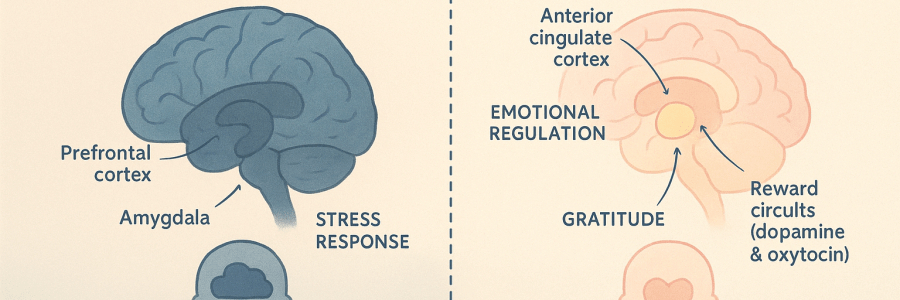
1. Reframe What You’re Doing (This Is Key) Guilt comes from a false belief: “I’m abandoning someone.”The truth is: you’re stopping unpaid emotional labour. In healthy relationships, care is reciprocal.When it isn’t, stepping back is self-protection, not cruelty. Neuroscience note: Guilt is often a conditioned response driven by the amygdala (threat/shame). When you reframe the story, the prefrontal cortex regains… Read More How to Disengage Without Guilt

Being Given Protection From Newly Discovered, Connected Family

(Psychological and practical meaning) When you find out that you are related to a family with influence, power, or a dangerous past, “protection” can have different layers. Some are emotional, some are symbolic, and some are practical. Below is what this experience usually means — and how to navigate it safely. 1. Psychological Protection: “I… Read More Being Given Protection From Newly Discovered, Connected Family

The Kindness Trap: When “Helpful” Becomes “Used-Up”

It starts innocently enough.You help. You lend. You sew. You bake. You listen. You fix. Before long, you’ve become the neighbourhood “Oh, she can do it!” “She’s got a sewing machine!”“She’s so kind — she’ll help you.”“Ask her, she’s the best!” And yes — you are the best.Until the day comes when you need help, and suddenly… tumbleweeds.The… Read More The Kindness Trap: When “Helpful” Becomes “Used-Up”

💎 1. What Self-Respect Really Means

Self-respect isn’t arrogance or pride — it’s self-recognition.It’s knowing: “My time, energy, and love are valuable. I don’t have to beg to be treated well.” Psychologically, it’s the ability to hold your boundaries even when someone tries to guilt, shame, or confuse you into lowering them.You can still be kind — but you stop being a resource for… Read More 💎 1. What Self-Respect Really Means