Why Chasing Non-Responsive Partners is Unhealthy: A Neuroscience Perspective

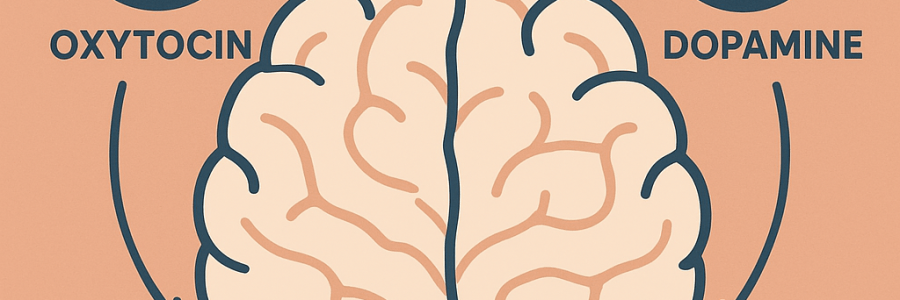
1. The Stress Response and Uncertainty Result: You feel anxious, obsessed, and caught in a loop — waiting for approval or contact. 2. Mirror Neurons and Emotional Empathy 3. The Reward System and Intermittent Reinforcement 4. Prefrontal Cortex vs. Emotional Hijacking 5. Cognitive Patterns That Maintain the Loop These cognitive patterns strengthen neural circuits tied to attachment… Read More Why Chasing Non-Responsive Partners is Unhealthy: A Neuroscience Perspective

Psychological Profile of This Behaviour (Property Damage After Disputes)

This pattern of behaviour — demanding entitlement to an asset and then the asset being vandalised soon after — aligns with psychological traits commonly observed in coercive control, retaliatory aggression, and entitlement-based conflict. Individuals who engage in this pattern typically show high sensitivity to perceived loss, rejection, or humiliation, which triggers a disproportionate emotional reaction. When they… Read More Psychological Profile of This Behaviour (Property Damage After Disputes)

Why They Complain About You “Not Selling the House” While They Keep Removing the For-Sale Signs — Neuroscience + Abuse Dynamics

This is not logical behaviour; it is control-based behaviour.Removing “For Sale” signs while accusing you of blocking the sale is a classic pattern seen in coercive control, pathological insecurity, and individuals who cannot tolerate loss of power. Below is what this behaviour typically means. 1. Cognitive Dissonance (“Two Opposite Beliefs at Once”) The brain cannot reconcile the… Read More Why They Complain About You “Not Selling the House” While They Keep Removing the For-Sale Signs — Neuroscience + Abuse Dynamics

Psychological entrapment

Negative self‑talk, catastrophising, or repeatedly saying “I’m dying / I’m sick / something terrible will happen” does NOT cause cancer, disability, or physical disease. That is not how biology works. However… What is true — and strongly supported by neuroscience — is that repeatedly telling yourself catastrophic health stories can: So let’s separate science from fear very clearly. ✅ What Repeated Catastrophic Self-Talk Does 1. Rewires your… Read More Psychological entrapment

Behavioral Choice Pathways: Neuroscience of Deliberate Actions

Here’s a neuroscience-informed explanation of behavioral choice pathways, specifically in the context of abusive or manipulative behavior. This framework emphasizes that abuse is a deliberate, neurologically reinforced choice rather than a symptom or accident. 1. Key Brain Circuits Involved Brain Region Function in Behavioral Choice Implication for Abuse Prefrontal Cortex (PFC) Executive function, planning, decision-making, inhibition Enables abuser… Read More Behavioral Choice Pathways: Neuroscience of Deliberate Actions

Medication, Behavior, and Abuse: Choice and Responsibility

Here’s a neuroscience-informed explanation addressing the relationship between medication, behavioral regulation, and abusive behavior, framed in terms of choice and accountability. 1. Abuse is a Choice, Not a Symptom 2. Role of Medications 3. Choosing Not to Take Medication 4. Psychological and Legal Implications Scenario Neuroscience Insight Accountability Abuse while on medication Reward circuits still drive pleasure from… Read More Medication, Behavior, and Abuse: Choice and Responsibility

Intergenerational Transmission of Anxiety and Social Dysfunction:

A Research-Heavy Neuroscience & Psychology Overview** Modern science overwhelmingly supports the reality that anxiety and social functioning problems can be inherited— not only genetically, but through epigenetic modification, neurodevelopmental programming, and learned behavioral patterns across generations. This phenomenon is known as intergenerational transmission of trauma, epigenetic inheritance, and transgenerational stress programming. Below is a comprehensive explanation. 1. Epigenetic Transmission of Stress… Read More Intergenerational Transmission of Anxiety and Social Dysfunction:

Children Inheriting Anxiety and Social Difficulties

Neuroscience & Psychology Confirm This Is Real** For decades people believed anxiety was “personality” or a child being “sensitive.”But neuroscience and epigenetics show something deeper: 👉 Children can inherit anxiety and social difficulties — not just emotionally, but biologically.👉 Trauma, fear, and stress experienced by parents and grandparents can change how a child’s brain develops. This… Read More Children Inheriting Anxiety and Social Difficulties

Early Warning Signs:

“How to Spot Sociopathy Turning Towards Anger or Abuse”** These signs don’t mean someone is sociopathic — and sociopathy alone doesn’t guarantee abuse.These are behavioural red flags, not diagnostic markers. They indicate when someone’s emotional wiring + unregulated anger is creating a dangerous pattern. **⚠️ EARLY WARNING SIGN 1 Anger with no build-up**Sudden, explosive, disproportionate reactions to: You… Read More Early Warning Signs: