When Families Know About Abuse

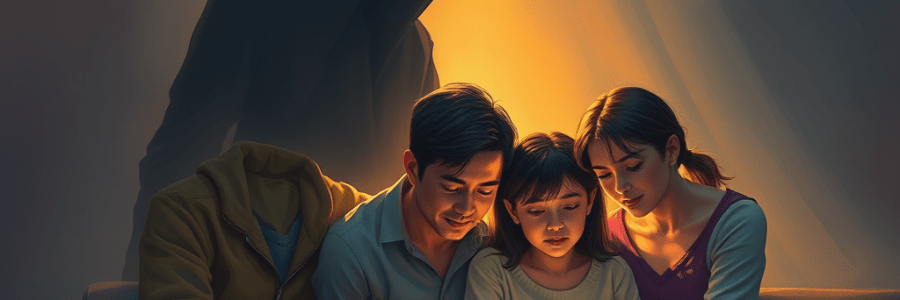
One of the reasons many survivors don’t speak out sooner is simple:they already know they won’t be supported. In some families, the abuse isn’t a secret.It has been seen before.Hints have been dropped.Incidents have been witnessed, minimised, or quietly explained away. Instead of intervening, the family: This silence isn’t neutral.It’s a choice. Why This Keeps… Read More When Families Know About Abuse

When Families Know About Abuse — and Choose Silence

One of the reasons many survivors don’t speak out sooner is simple:they already know they won’t be supported. In some families, the abuse isn’t a secret.It has been seen before.Hints have been dropped.Incidents have been witnessed, minimised, or quietly explained away. Instead of intervening, the family: This silence isn’t neutral.It’s a choice. Why This Keeps… Read More When Families Know About Abuse — and Choose Silence

Exposing the Abuser (No Sugar-Coating)

Let’s start with the truth most survivors are pressured not to say: Abusers rely on silence, minimisation, and “being the bigger person.”Protection of abusers is one of the most socially normalised forms of harm. 1. Abuse Is Not “Loss of Control” — It Is Selective Control Abusers: Then claim: “I just snapped”“I’m blunt”“I was stressed”“That’s just how I… Read More Exposing the Abuser (No Sugar-Coating)

Do abusers ever look outside the box and imagine it happening to their own loved ones?

Most do not — and when they do, it is usually abstract, not empathic. 1. Empathy is compartmentalised, not absent Contrary to popular belief, many abusers are not “emotionless.” They can show selective empathy — especially toward people they identify with or feel ownership over (their mother, daughter, family name). Neuroscience shows this as compartmentalisation in the brain: So… Read More Do abusers ever look outside the box and imagine it happening to their own loved ones?

Abuse Doesn’t Have to End in Murder to Be Fatal

More survivors of domestic abuse died by suicide last year than were killed directly by a partner. This stark statistic from the Home Office exposes a truth that is still widely overlooked:domestic abuse kills — even when there are no visible injuries. Coercive control and psychological abuse work by stripping away a person’s autonomy, identity,… Read More Abuse Doesn’t Have to End in Murder to Be Fatal

Some people protect power, not truth

1. The Brain Prefers Familiar Power Over Disruptive Truth Normalcy Bias (Neuroscience) The human brain is designed to preserve stability. It feels easier to doubt the victim than to accept: “Someone we trust is capable of cruelty.” 2. Just-World Fallacy: “Bad Things Happen for a Reason” Psychological Self-Protection People want to believe the world is fair because… Read More Some people protect power, not truth

Abuse doesn’t take a holiday

Abuse doesn’t take a holiday — in fact, it often intensifies during holidays like Christmas or birthdays. Many victims think that leaving home, going on a trip, or being away from daily stress might protect them, but abuse thrives in isolation. Abusers exploit distance from friends, family, and familiar environments to gain control. After 32 Christmases of living… Read More Abuse doesn’t take a holiday

The Hidden Nature of Perpetrators

1. The “Mask of Normalcy” This is sometimes called “the façade of normalcy”, which conceals abusive behaviours behind closed doors. 2. Why People Don’t Believe It 3. Psychological Tactics That Hide Abuse 4. Neuroscience and Behavioural Explanation 5. Implications Summary Many perpetrators appear normal, competent, and likable externally while engaging in severe abuse in private. Cognitive… Read More The Hidden Nature of Perpetrators

Psychological and Emotional Perspective in the Context of Coercive Control and Domestic Abuse

When an abusive or controlling ex-partner files for divorce again — particularly long after you initiated proceedings — the behaviour often reflects patterns of coercive control, not genuine legal necessity. 1. Reasserting Dominance After Losing Control In coercive-control dynamics, the abuser’s identity relies heavily on their ability to dictate the emotional and practical landscape of the relationship.Your original… Read More Psychological and Emotional Perspective in the Context of Coercive Control and Domestic Abuse

Protective Measures After Divorce & in Domestic Violence Cases (Medidas Cautelares)

Even after a divorce, survivors of abuse may require ongoing protection. Spanish law provides temporary legal tools to ensure safety, protect children, and prevent harassment. 1. Restraining Orders (Orden de Protección) 2. Custody and Visitation Protections 3. Housing Protections 4. Financial Safeguards 5. Communication and Harassment Restrictions 6. Police or Court Monitoring 7. How to Request… Read More Protective Measures After Divorce & in Domestic Violence Cases (Medidas Cautelares)