How does trauma bonding affect the brain?

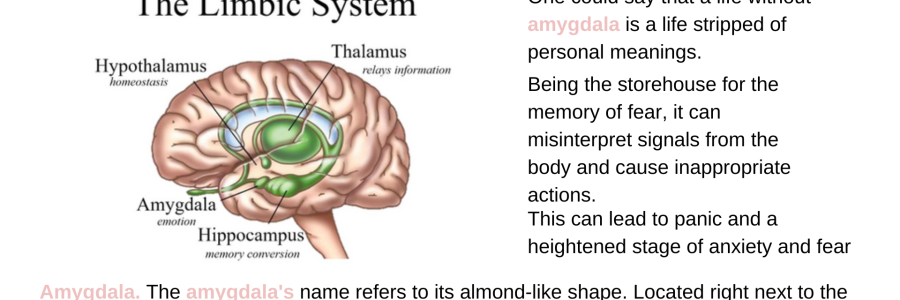
One of many ways victims can help their brain break a trauma bond is by facilitating the release of calming oxytocin (from the amygdala). Igniting oxytocin receptors of this type can reduce cravings, ease withdrawal, and lessen pain. What causes someone to violate a person they claimed to love? There are many reasons, for example, substance or alcohol abuse, a… Read More How does trauma bonding affect the brain?

 Linda C J Turner | Trauma Therapist & Emotional Healing Specialist