Playing cruel games

When someone deliberately plays cruel games with a person who’s already survived horrific trauma, it’s not “just relationship drama.” It’s psychological harm that exploits vulnerability and the brain’s attachment systems. Below I explain the types of people who do this, the neuroscience and psychology behind it, concrete behavioral examples, the typical impact on trauma survivors, and practical… Read More Playing cruel games

The Psychology of Pretending: When Wealth and Success Are Just a Mask

Some people wear luxury like armor. They flash cars, holidays, and designer labels not to express joy, but to hide emptiness.Behind the image of success, there’s often insecurity — a deep need to be seen, admired, or envied. It’s not confidence. It’s camouflage. The Psychology Behind the Performance Psychologists call this “self-enhancement” — exaggerating one’s image to… Read More The Psychology of Pretending: When Wealth and Success Are Just a Mask

The Weight of Lies: When Vindictiveness Backfires and Truth Prevails

What you’ve endured—being pushed, manipulated, and lied about, even under oath—is beyond unjust, yet your decision to stand firm in truth and faith is powerful. Let’s shape that resilience and raw honesty into a compelling article that not only tells your story but speaks to anyone who’s ever been wronged by someone who hides behind lies… Read More The Weight of Lies: When Vindictiveness Backfires and Truth Prevails

Paranoia and Projection

Mental Health Issues: Paranoia is a common symptom in various mental health conditions, such as paranoid personality disorder, schizophrenia, or bipolar disorder. Individuals suffering from these conditions may struggle with distorted thinking, leading them to falsely believe that others are targeting them.

Substance Use: Drug use, particularly stimulants like methamphetamine or cocaine, can induce paranoia. Long-term substance abuse can alter brain chemistry, leading to persistent feelings of fear, suspicion, and the belief that others are out to get them.

Excessive Alcohol Consumption: Alcohol can impair judgment and increase anxiety, leading to paranoid thoughts. Chronic alcohol use can also exacerbate underlying mental health conditions, making paranoid behavior more pronounced.

Past Trauma: Individuals who have experienced trauma, such as abuse or betrayal, may develop hypervigilance as a coping mechanism. This heightened state of alertness can sometimes escalate into paranoia, where they perceive threats even when none exist.… Read More Paranoia and Projection
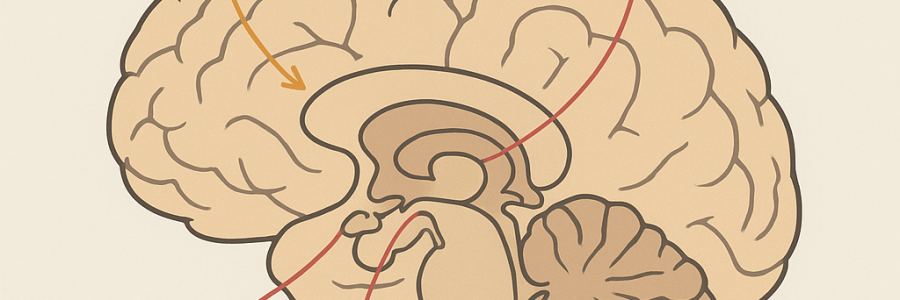

Projection

Projection is a psychological defense mechanism where an individual attributes their own unacceptable thoughts, feelings, or behaviors to someone else. This allows them to avoid confronting their own faults by externalizing them onto another person. When someone tries to get another person into trouble for something they themselves are guilty of, it is a classic… Read More Projection

Motivations Behind Defending an Abuser

Social Stigma: Defending an abuser can also be a way of protecting one’s own reputation. If someone is closely connected to the abuser, acknowledging the abuse might lead others to question their judgment, integrity, or even imply that they share some responsibility for the abuser’s actions. This is especially true in cultures or communities where there is a strong emphasis on loyalty and reputation.… Read More Motivations Behind Defending an Abuser

“The Power of Self-Reflection: Why People in Glass Houses Shouldn’t Throw Stones”

The Mirror Effect: Imagine a world where everyone paused to assess their actions before casting judgment on others. It’s a world where self-reflection acts as a mirror, allowing individuals to see their own flaws and imperfections. This metaphorical “glass house” becomes a tool for personal growth rather than a fragile structure susceptible to external attacks.… Read More “The Power of Self-Reflection: Why People in Glass Houses Shouldn’t Throw Stones”